
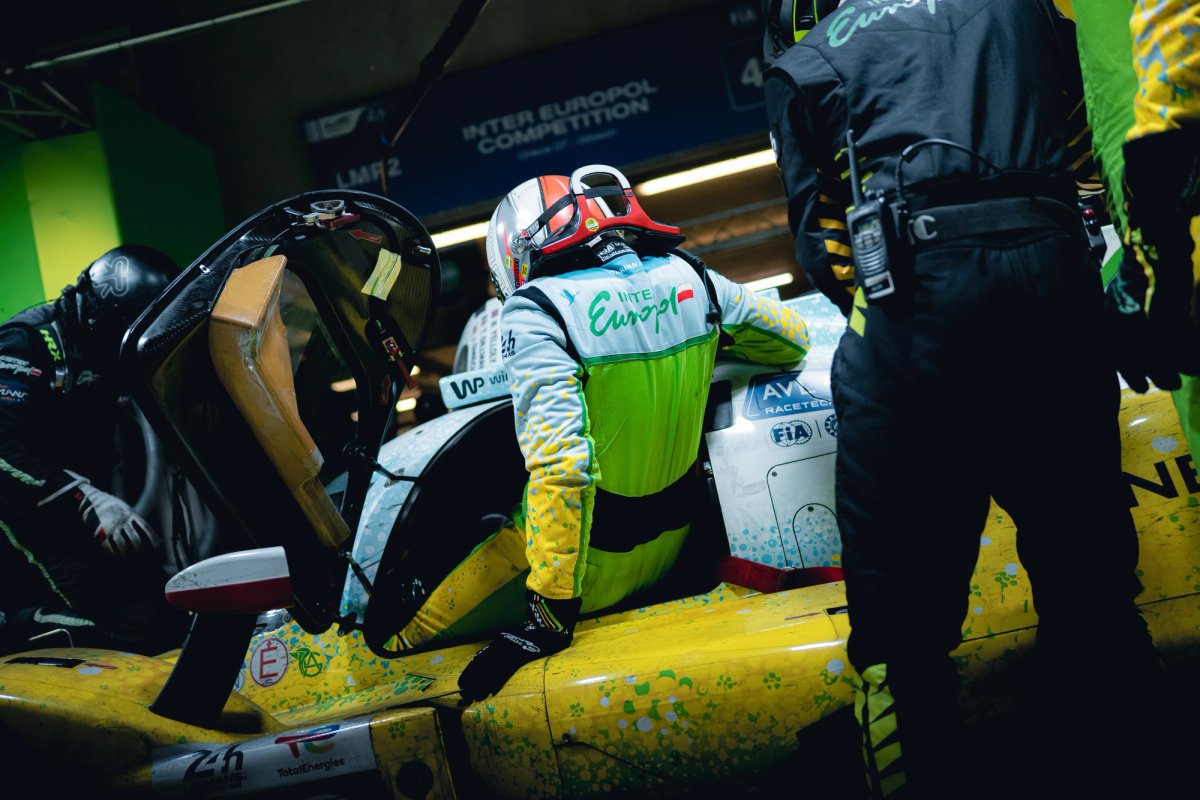
Baked to Perfection
Somewhere past the eighth hour, when the cameras have gone quiet and half the grandstand has gone to sleep, Le Mans stops being a race and turns into a test of nerves. The team from a bakery on the edge of Warsaw passed it twice over.
Twenty-four hours around the Circuit de la Sarthe, and at the end of them two cars in a rapeseed-yellow livery crossed the line nose to tail. First and second in LMP2. If you read our last story, you already know the paint: a spring rapeseed field under a blue sky, Lange & Lange's first art car for Inter Europol Competition. It turns out the painting is also quite fast.
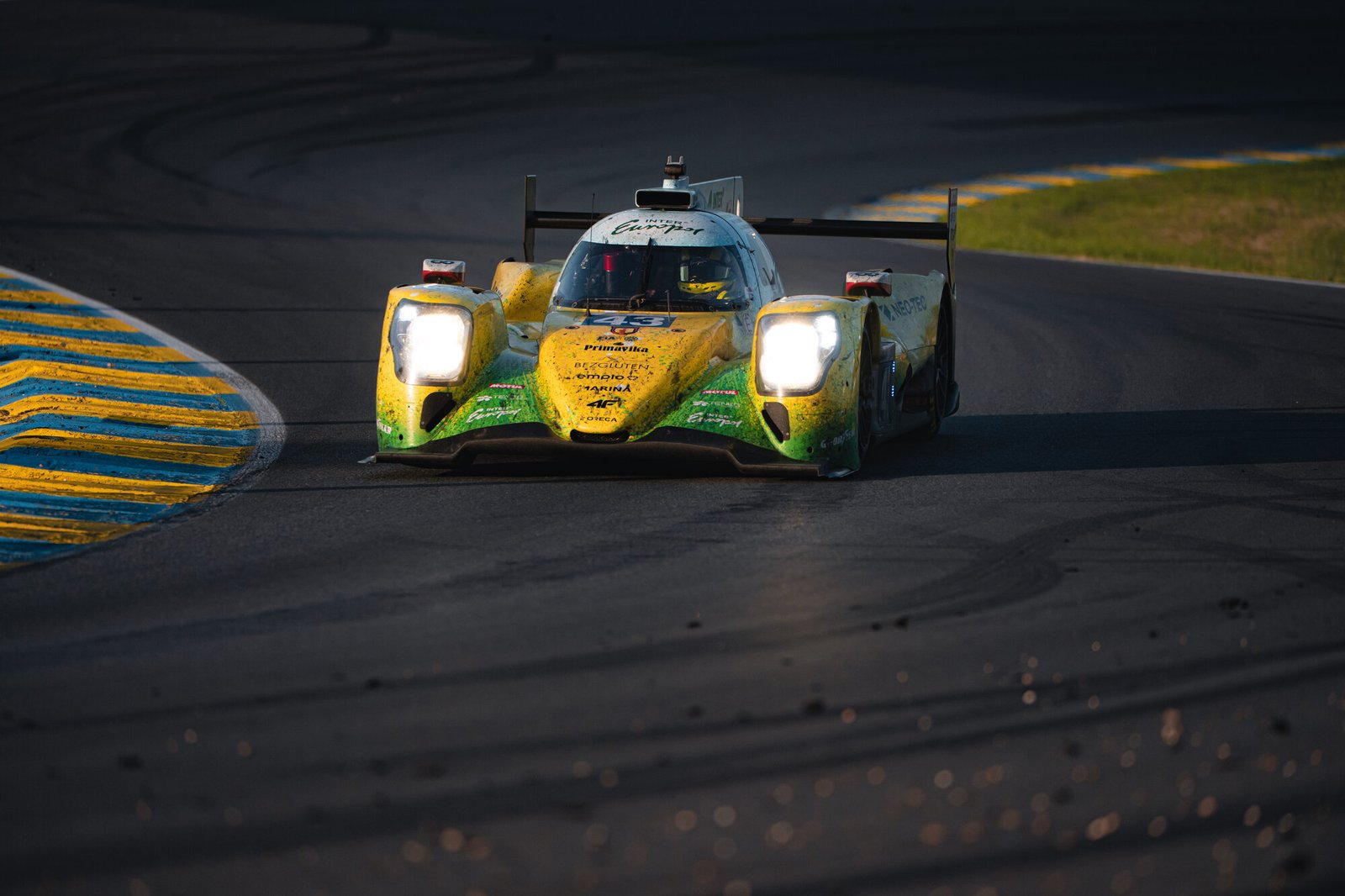
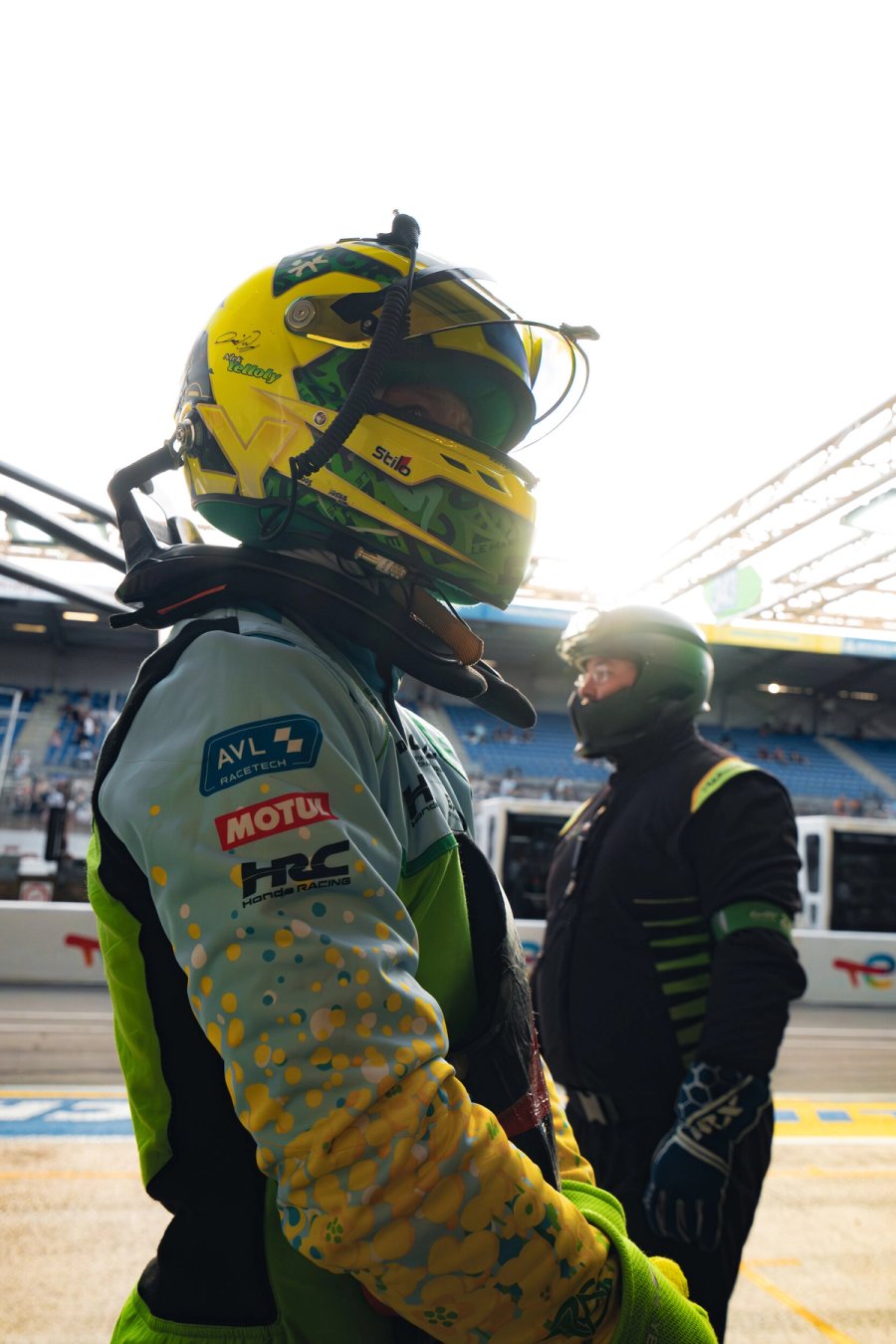
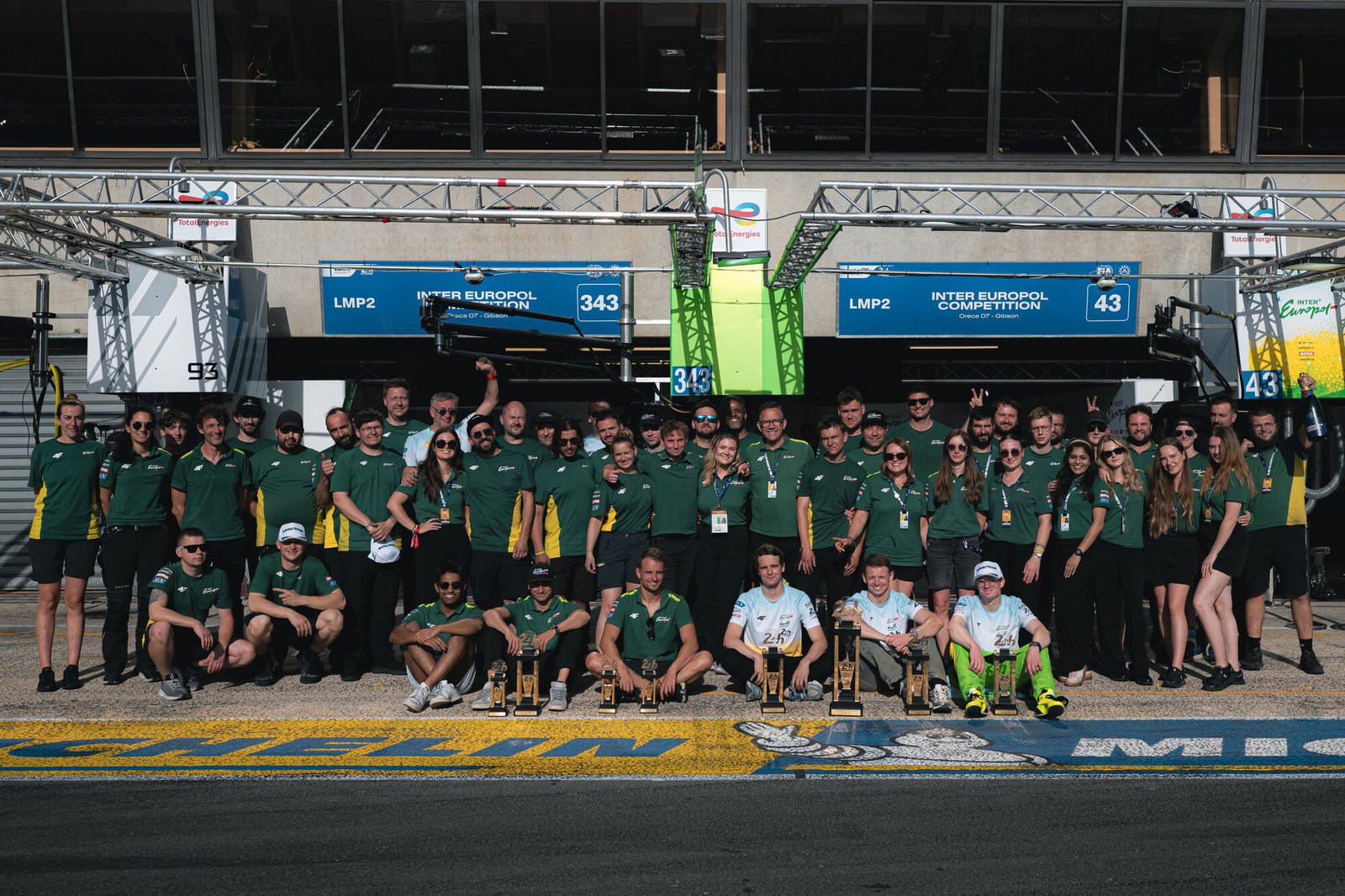
The number 43 took the win, with Kuba Śmiechowski, Tom Dillmann and Nick Yelloly sharing the driving. Behind it, close enough to make the photographers happy, came the sister number 343 of Bijoy Garg, Reshad de Gerus and Nico Müller. A one–two. The kind of result teams build entire decades around and never quite reach.
This is not beginner's luck. It is Inter Europol Competition's third Le Mans victory in the LMP2 class, after 2023 and 2025, with a runner-up finish in 2024 wedged in between. Four years, three wins, one second place. For a private team from Poland, on the biggest stage motorsport has, that is not a streak. That is a residence.
We told you where this comes from. The backyard of a family bakery, the same operation that once made its name delivering bread across greater Warsaw. Less than two decades separate the bread vans from a Le Mans one–two. Somewhere in that sentence is the whole story of a certain kind of Polish ambition: no inherited paddock, no factory cheque book, just the decision to take the thing seriously and then keep taking it seriously for twenty years.
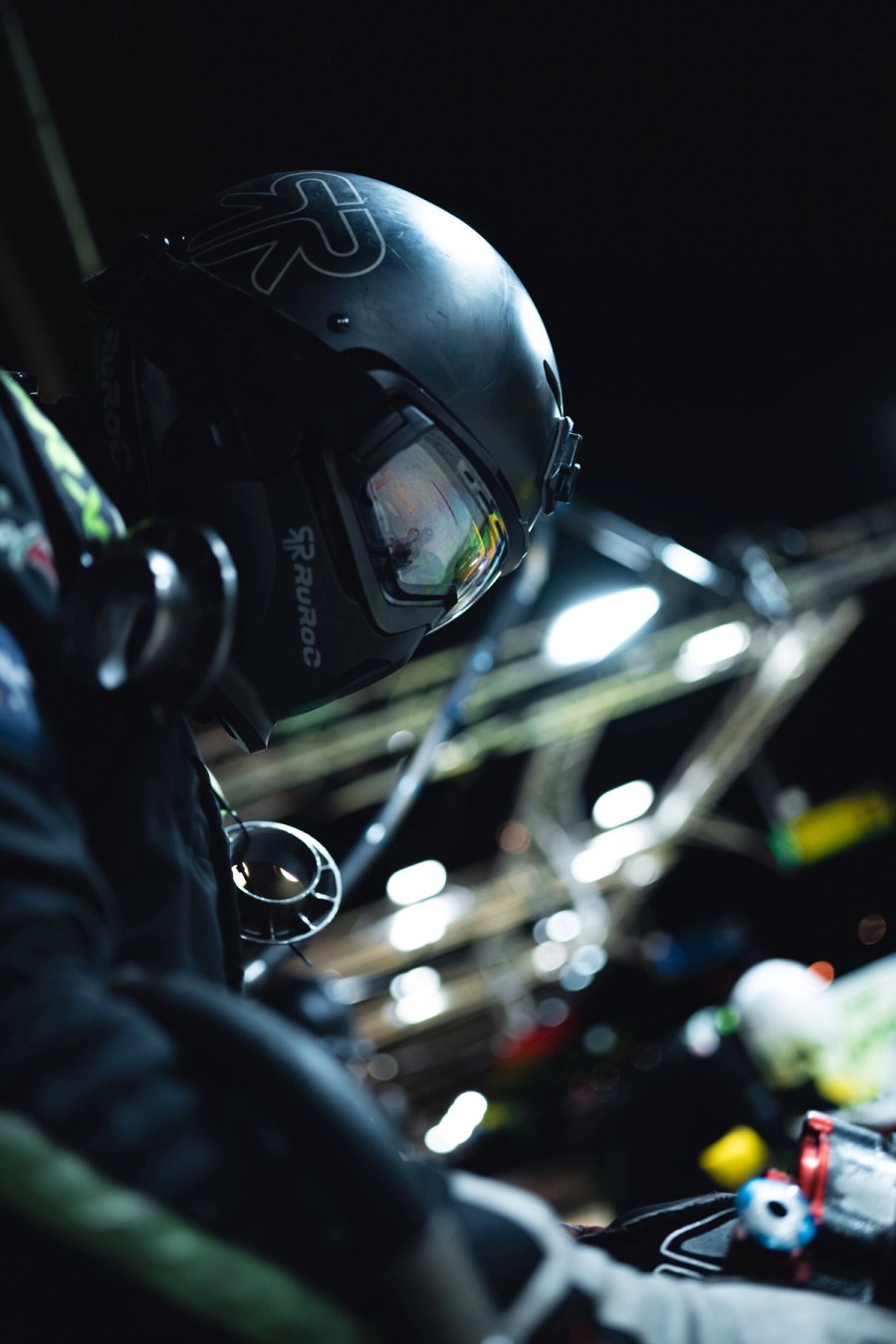
There is no single hero lap at Le Mans. Both cars simply stayed at the front for a full day and a full night, the pace always there, the pit stops clean, the strategy calls landing where they were meant to. Endurance racing rewards the boring virtues, preparation, reliability, the absence of mistakes, and across the weekend Inter Europol was relentlessly, beautifully boring at the very front of the field.
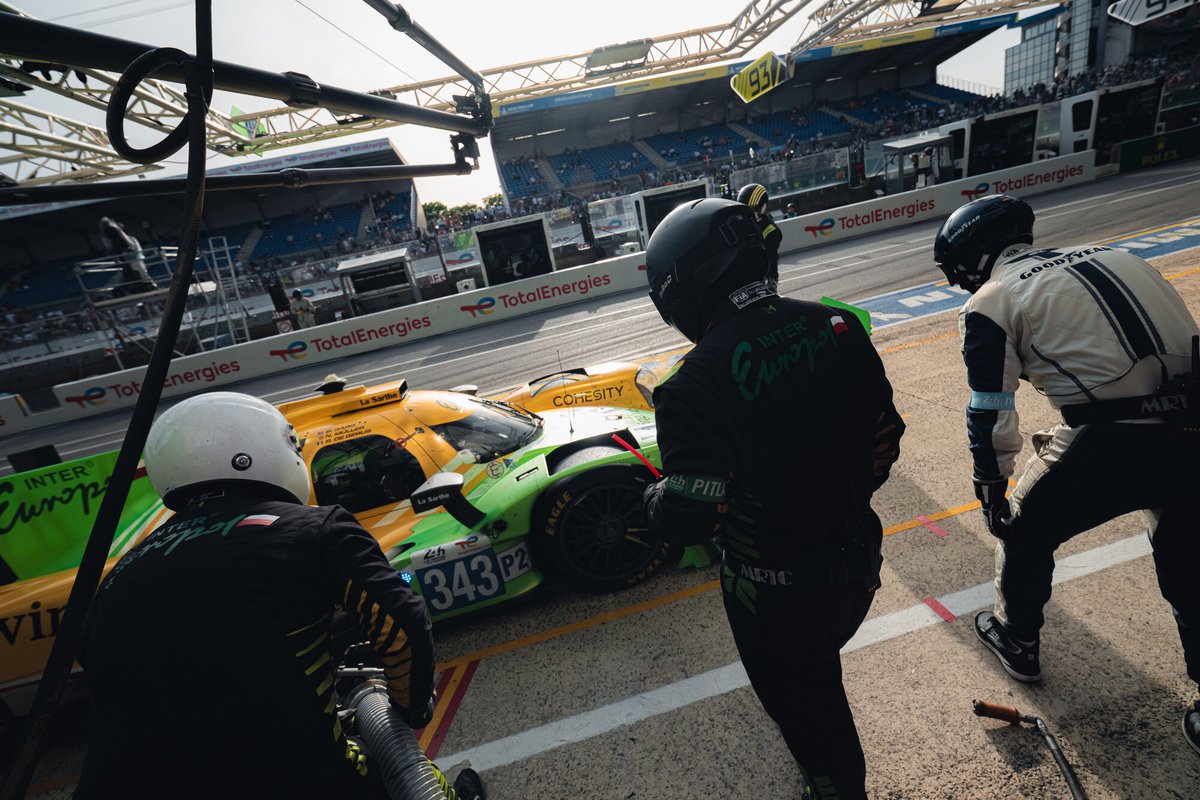
The race is decided in the dark, though, in the hours nobody films, when the temperature drops and the mistakes get expensive. That is where this one was won.
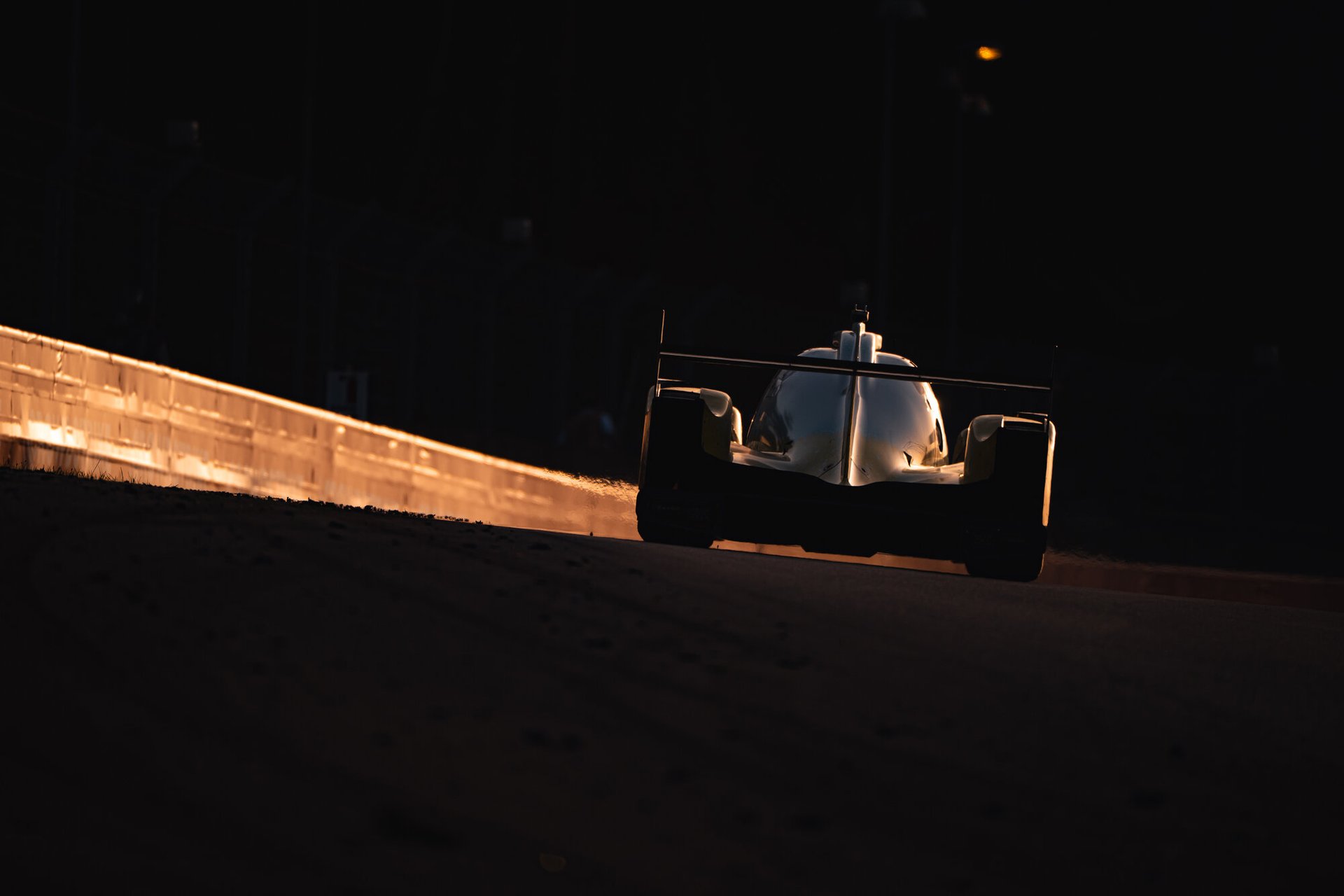
This is much more than a race victory. A Le Mans one–two is a dream that has become reality.
— Kuba Śmiechowski
He says it as both driver and team principal, which is its own small miracle: doing the steering and the spreadsheets at once, and beating the world at both. In his thirties, in a role that is not easy at any age.
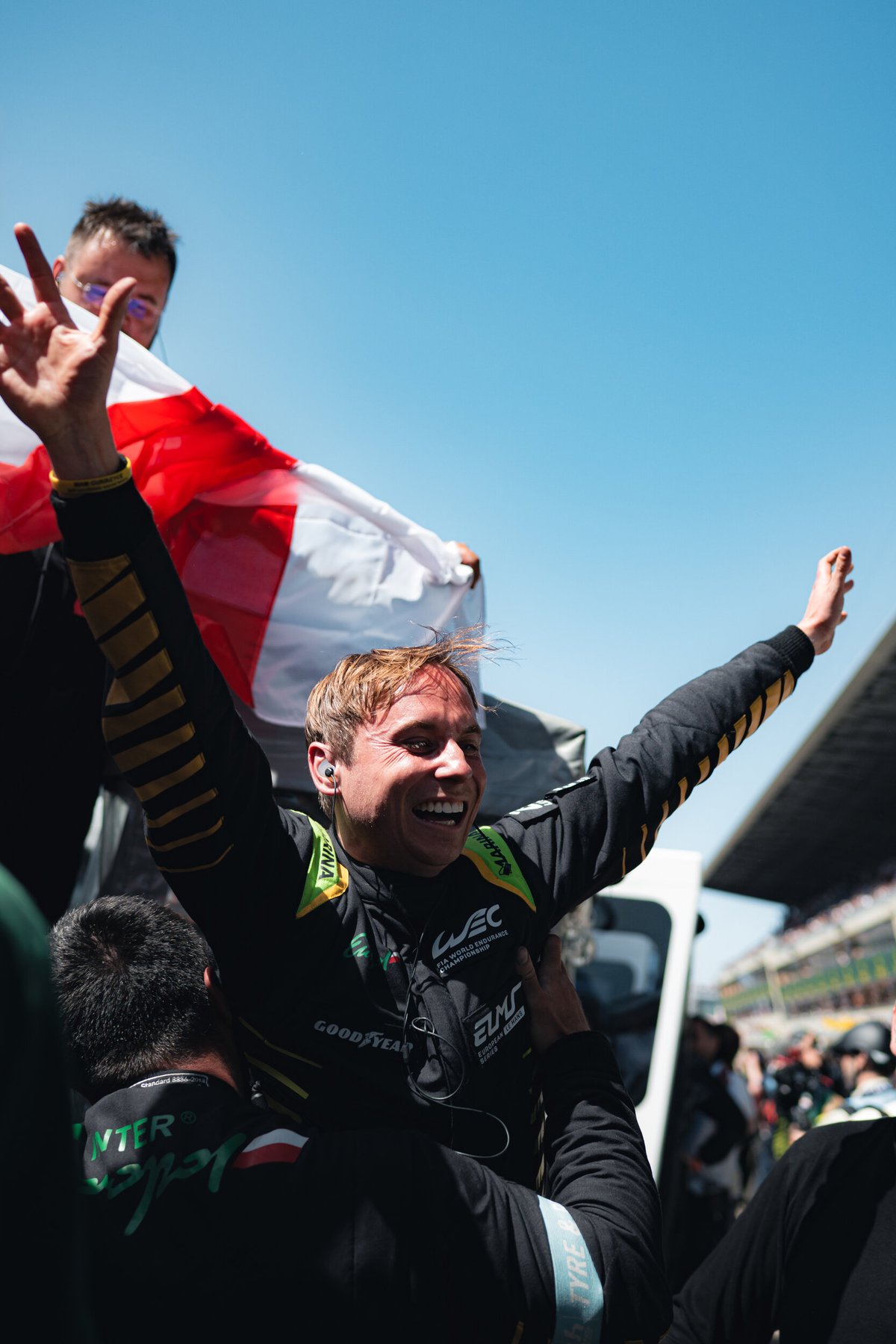
The art car worked, then. Aleksander and Gustaw painted a Polish spring onto a race car and sent it to France, and it came back with the most valuable thing Le Mans hands out, which is not the trophy but the line in the record book. Baked, you might say, to perfection.
Photos: Jules Beaumont


