
The Brick That Flies
It all started with a wild project that was supposed to be Piotrek's personal car. It ended with him leaving his previous career behind and embarking on an extraordinary adventure. We hope it lasts as long as possible.
The idea to build a BMW E21 Group 5 was born during a trip to Germany. Piotrek visited the BMW Museum in Munich and saw the Flying Brick for the first time. The Flying Brick is the nickname given to the legendary BMW 320 Turbo from the late 1970s. The car was created by combining the lightweight E21 body with an M12 engine derived from Formula 2. In turbocharged form, it produced as much as 650 hp and weighed just under 900 kg. In 1977-1978, it dominated the IMSA Camel GT series in the US, taking seven victories and successfully competing against the Porsche 935.
The "Flying Brick" nickname came from the angular silhouette of the widened body, which looked like anything but an aerodynamic racing car. And yet this "brick" flew. The car was built in just twelve weeks. Engineers at BMW Motorsport squeezed a Formula 2 engine into a radically widened 320-series body. The doors, bonnet, boot lid, and fenders were made from fibreglass, the suspension from aluminium. Every gram counted. In 1977, the Flying Brick carried the BMW Junior Team to the DRM championship, with drivers including Manfred Winkelhock and Eddie Cheever behind the wheel. The car raced into the early 1980s, winning the famous Macau Guia Race in 1980 and 1981 with Hans-Joachim Stuck and Manfred Winkelhock at the helm.
The aggressive body extensions and raw, race-bred execution made a huge impression on Piotrek. A vision began to take shape in his mind: what if...
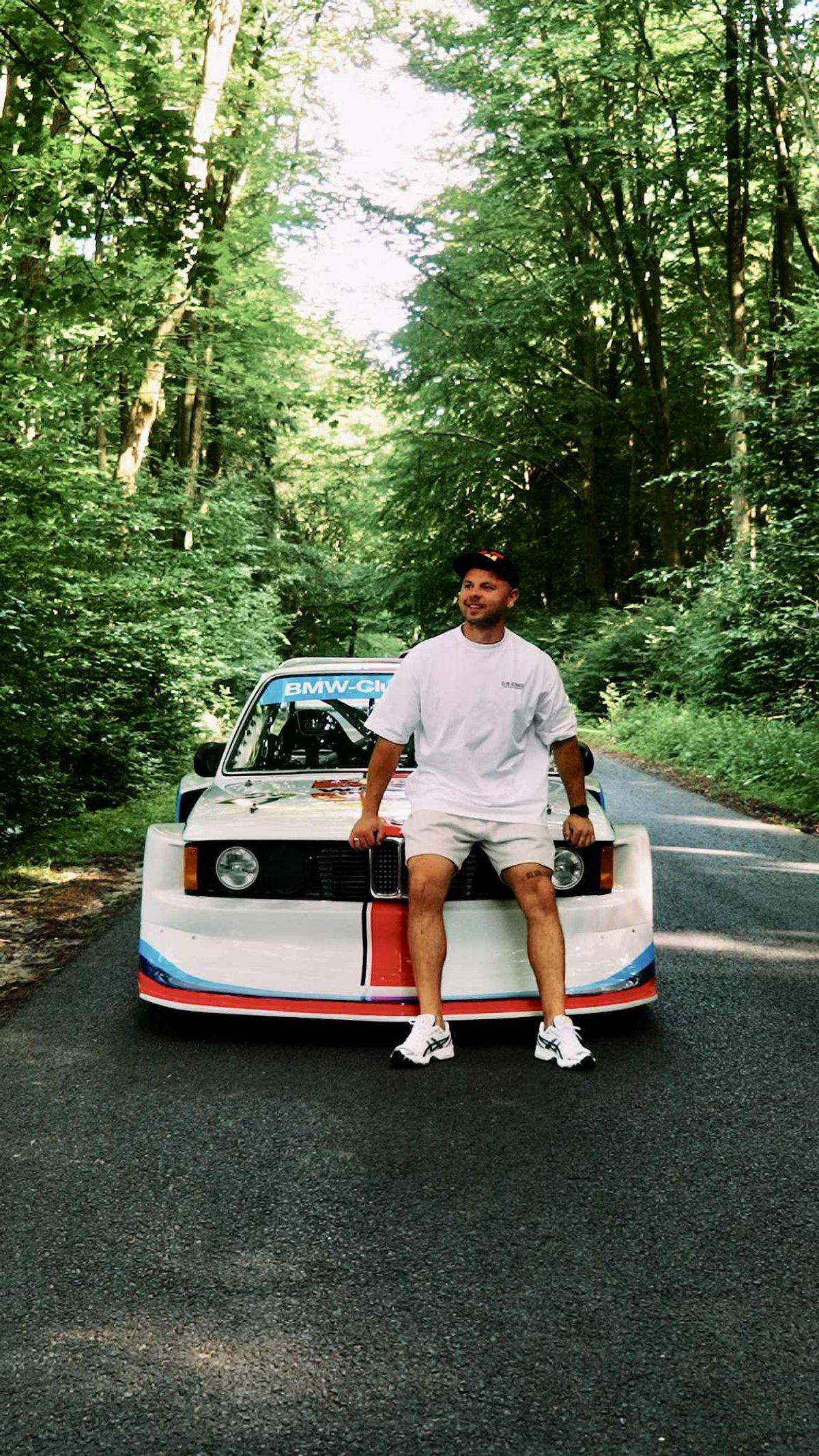
The natural next step was buying a base car. The first BMW E21 he purchased, to be frank, wasn't fit for anything. For the time being, it was to sit in the garage for years, waiting for better days.
001: Club de Ultrace
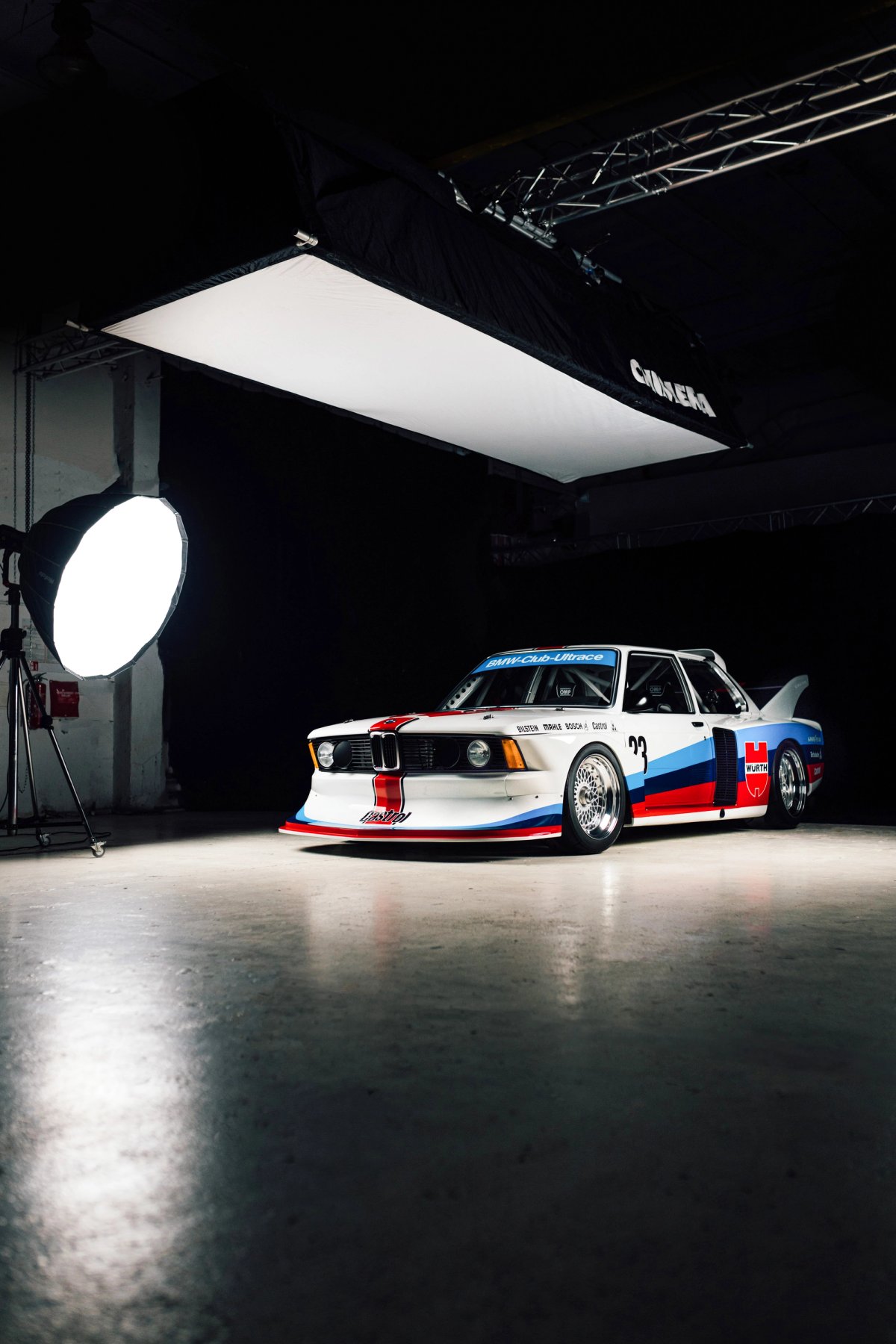
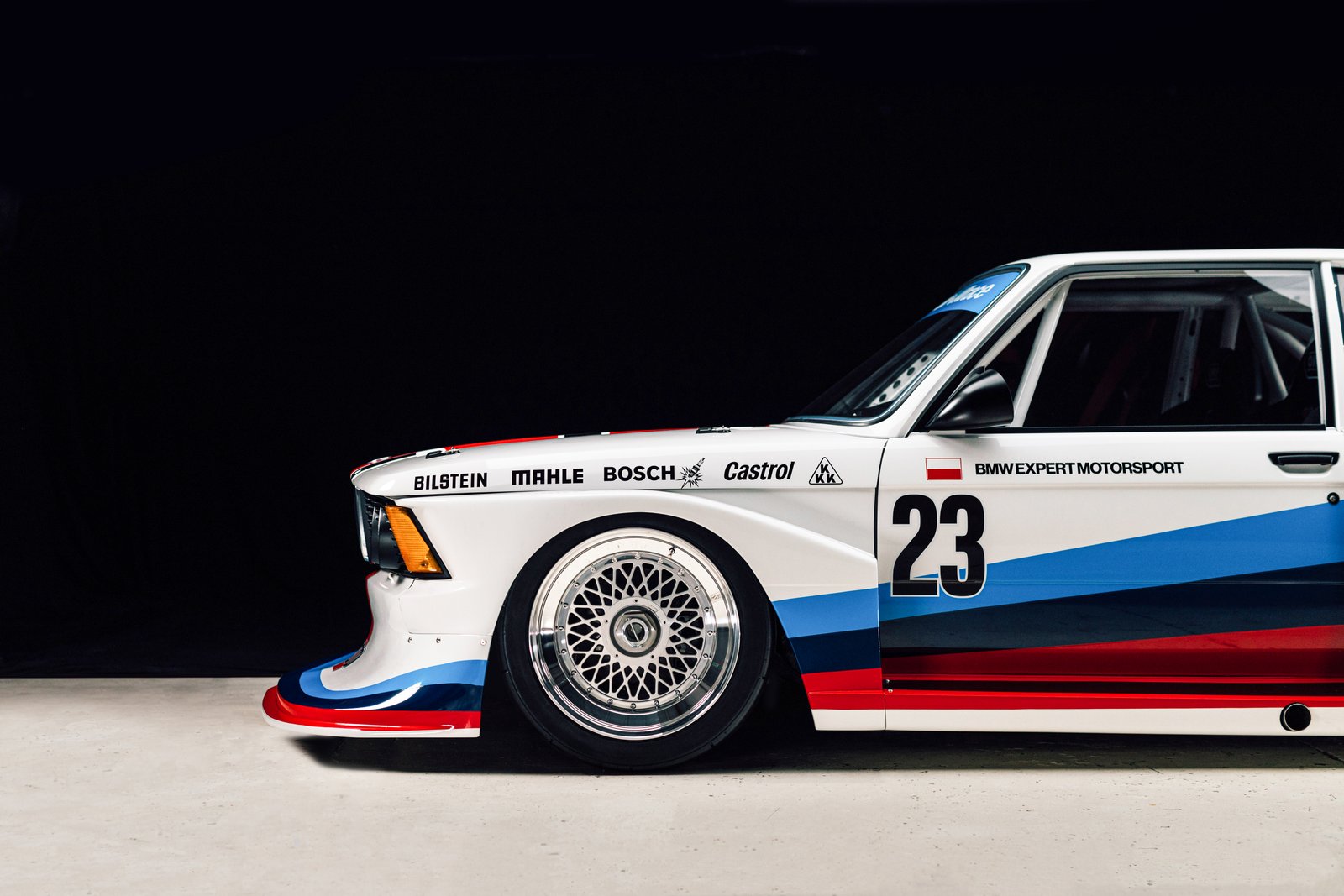
Adrian, Piotrek's long-time friend and founder of Ultrace, stepped into the long-term plan. The idea was to have the car's premiere at the event in June 2023. The problem was that the event was less than eight months away, and the amount of work, as it turned out, was overwhelming. At a certain point, probably nobody in Piotrek's close circle believed the project would succeed. And yet...
What happened next can safely be called a mission impossible. Dozens of people involved in the project, hundreds of hours spent in the transporter, dragging the car all over Poland: metalworker, painter, roll cage, mechanicals, and the bodykit. The bodykit alone could fill hours of stories. It turned out that the Group 5 extensions had been sitting in a small garage at a friend's place. The lads enthusiastically started test-fitting them to the car and... gaps the width of a hand everywhere, zero fitment, parts too short and warped. The company Spojkar rose to the occasion. With a deadline knife at their throat, they produced the entire set from scratch: perfectly fitted panel gaps, reinforcements, flawless alignment. Adam Harych from BMW Expert also made a major contribution. He took on the pioneering work of fitting the suspension and marrying the mechanicals to the body.
In the final weeks before Ultrace 2023, Piotrek and Adam were getting up at six and leaving the garage after eleven at night. Life outside the project practically didn't exist. Special recognition goes to Adam, whose first child was born during that time. He had to balance the garage with being a brand-new father.
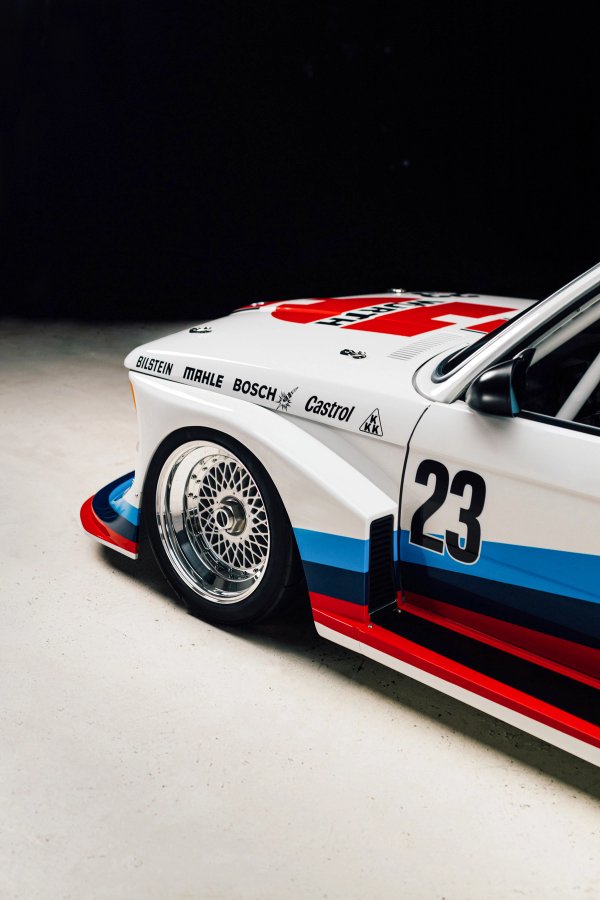
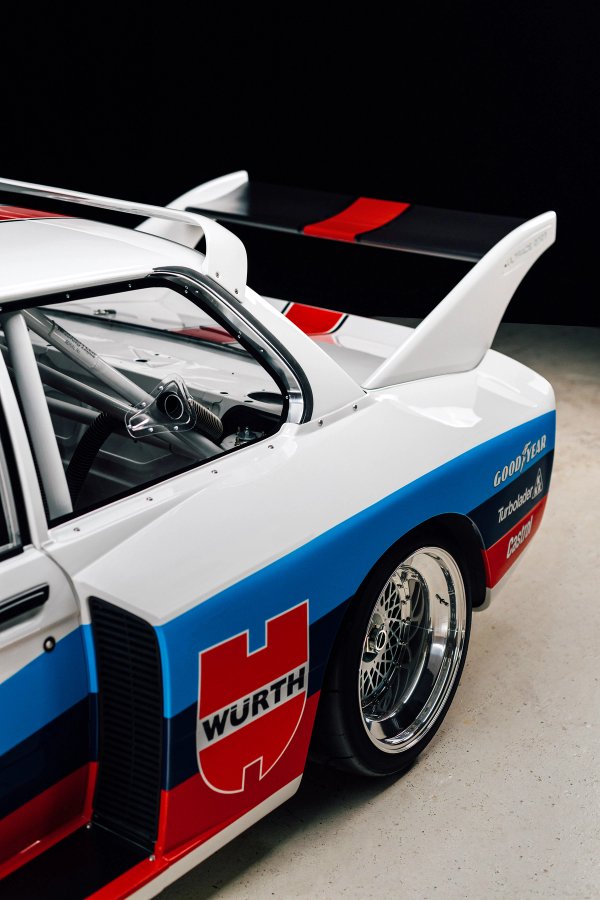
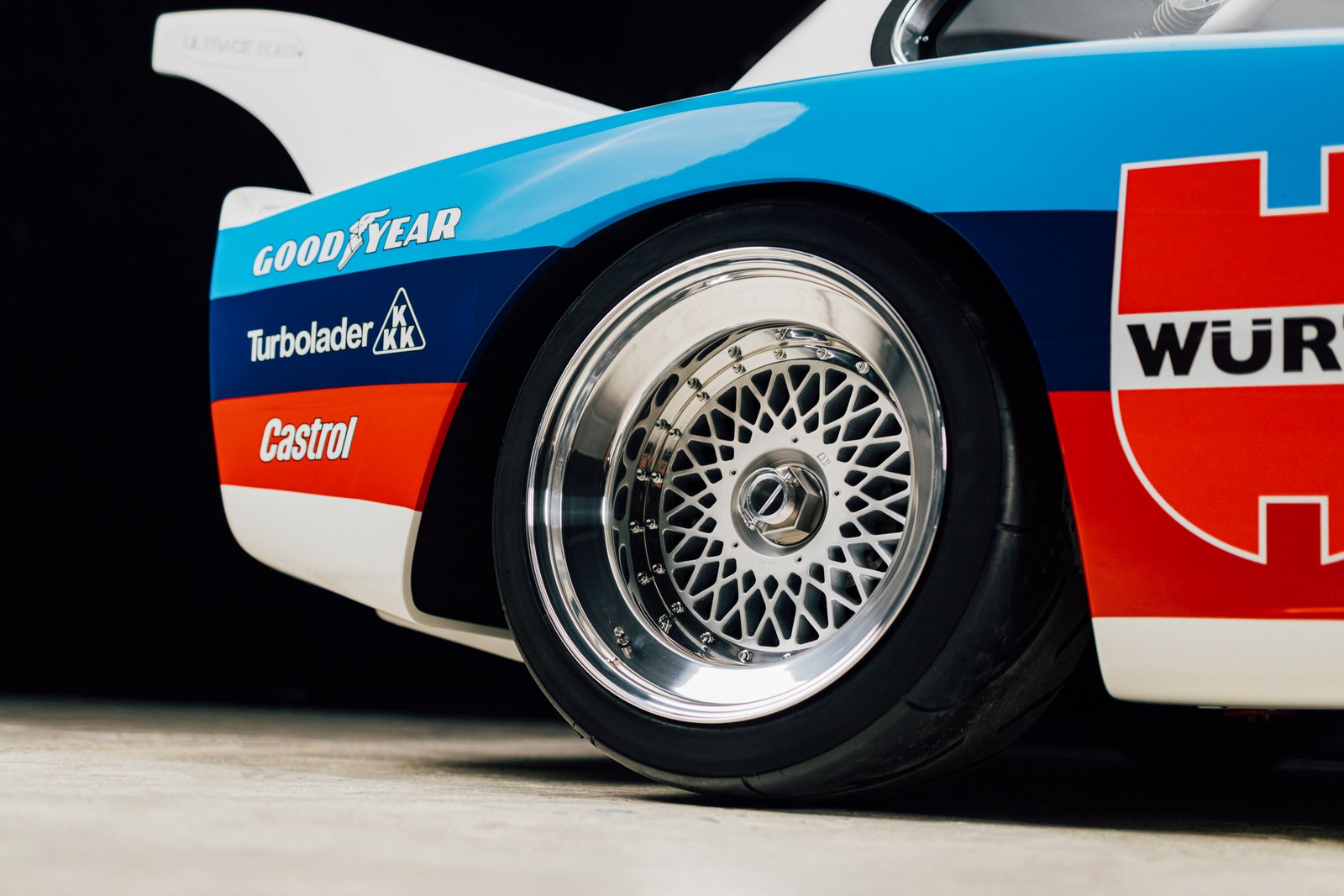
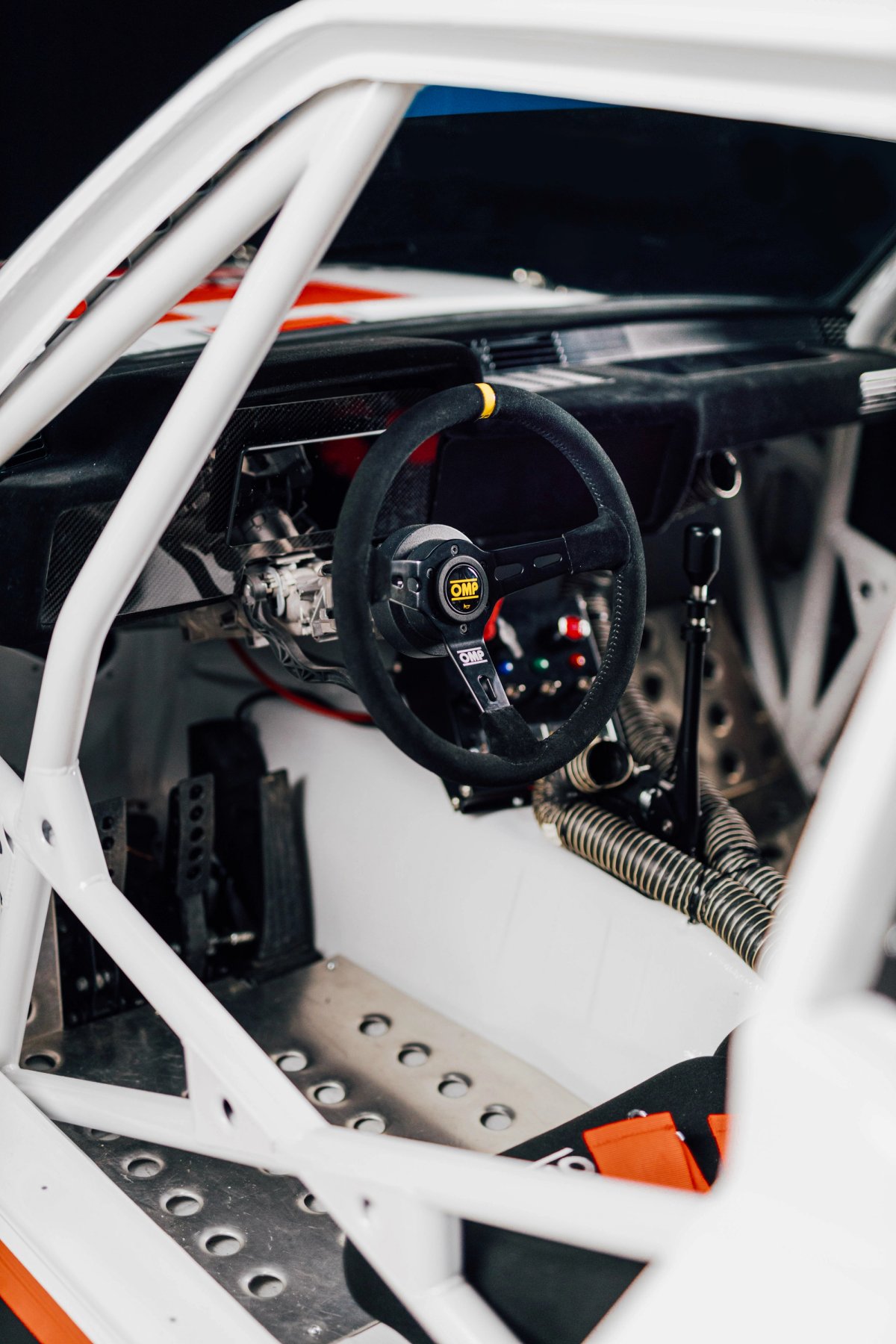
The car was finished a week before the event, and then went into the Ultrace lottery. It was won by a young Frenchman who had no idea about this kind of car culture and had bought just one ticket for 6 euros. And so the first BMW E21 Group 5 Club de Ultrace went to France. From what we know, it now adorns the interior of a car dealership somewhere.
002: Maxton
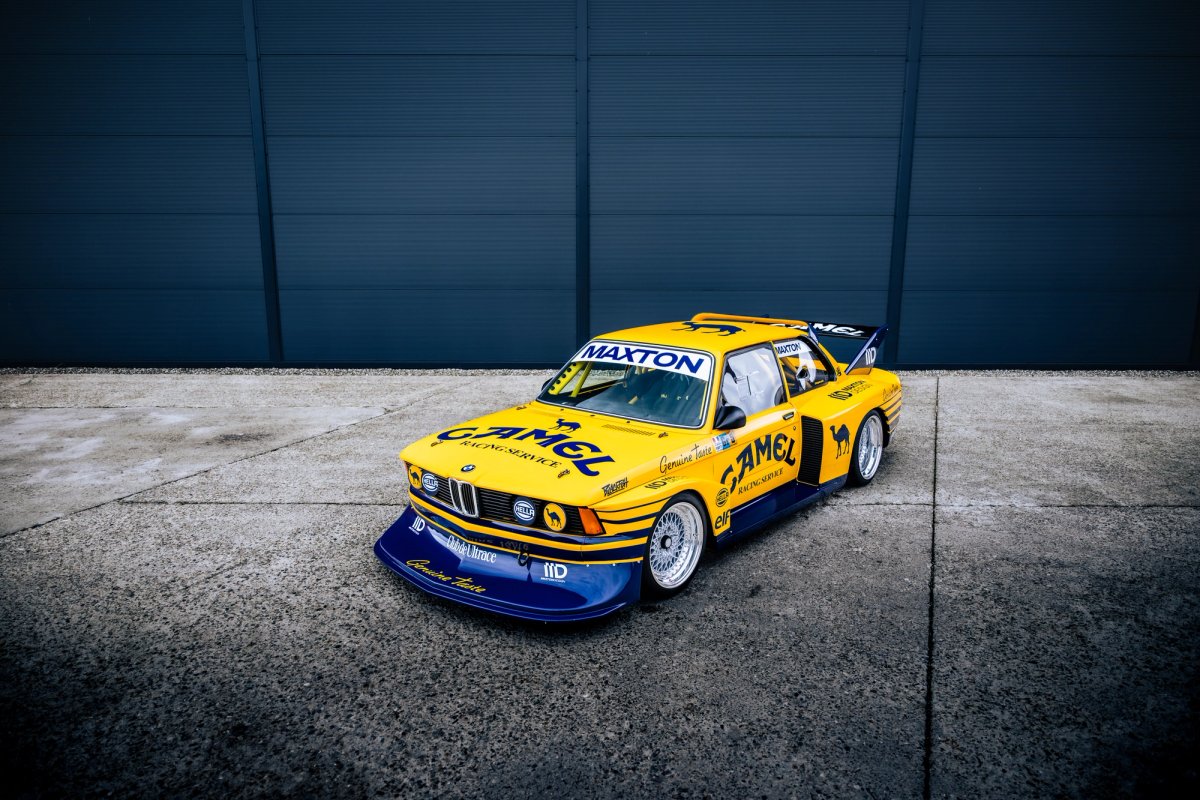
Piotr, the owner of Maxton Design, expressed interest in building his own example right after the premiere of the first project at Ultrace. As befitting a serious businessman: two conversations and quick guidelines. The car is to be black, it is to have a naturally aspirated engine, and it is to serve as the company's showpiece at trade fairs and industry events. So much for theory. So where did that yellow colour on the final project come from?
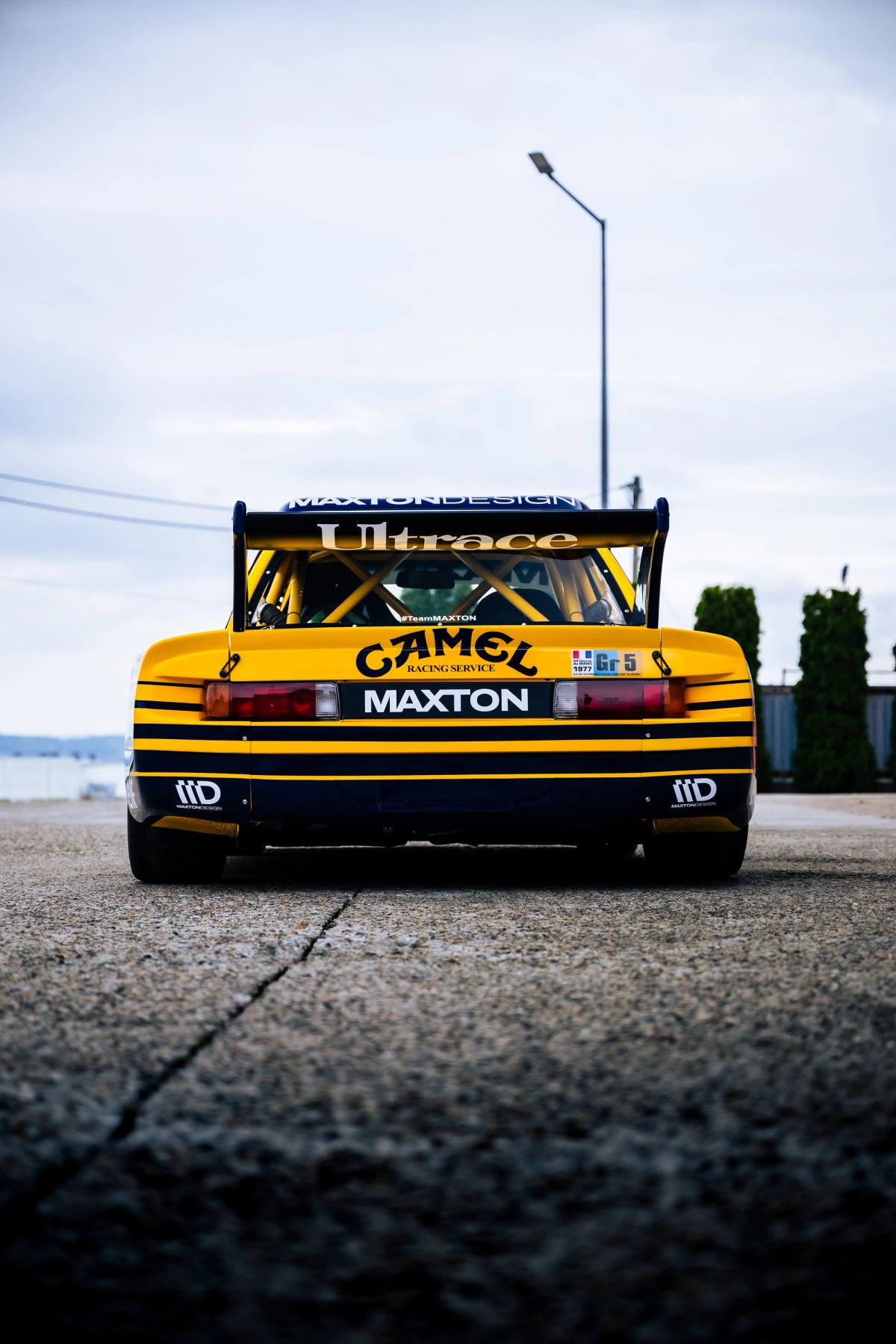
Piotrek owns a superb BMW E46 M3 in perfect black, and he knows full well that dark paint hides body lines and details. He decided that such bold extensions simply wouldn't look right in black. After a short discussion and presenting a visualisation in yellow, the Maxton owner gave carte blanche on practically everything. And that's how it started. The yellow shade comes from the Lancia palette and once adorned the legendary Delta Integrale. Under the bonnet sits the iconic M54 engine with E46 M3 components. The suspension underwent a major transformation too. The rear comes from a BMW E92 M3, modified and mounted directly to the roll cage. The front uses E46 suspension with power steering. Practically every component in this car was custom-made for the project. A stripped-out interior, a homologated roll cage, and countless details transporting us back to the 1980s, to the golden era of motorsport. The fuel system, complete with pumps and tank, was installed in the boot, and a fire suppression system was routed through the entire car with outlets under the bonnet.
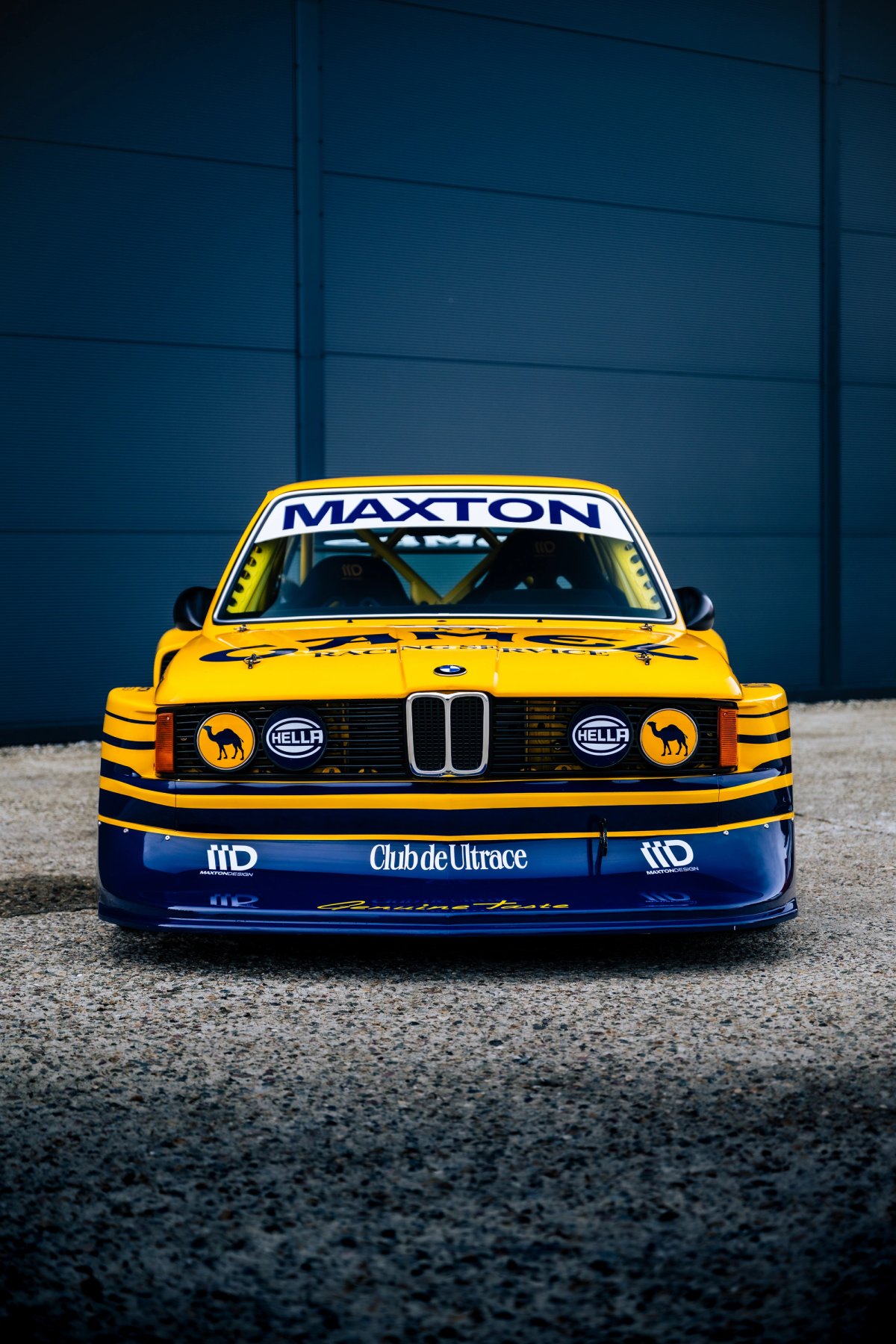
All these details add up to a polished project. During the build of car number 002, the issues from the previous version were eliminated, although that first build was pioneering work. The BMW E21 Group 5 Maxton is the perfect demo car. It graces the company's exhibition stand, and at the same time you can confidently take it to the track and make full use of the 300-horsepower engine. The car weighs around a tonne, so there's plenty to play with. The car stayed in Poland and serves as the company's showpiece. You can see it at trade fairs, meets, and industry exhibitions.
001 USA: Team Ikuzawa
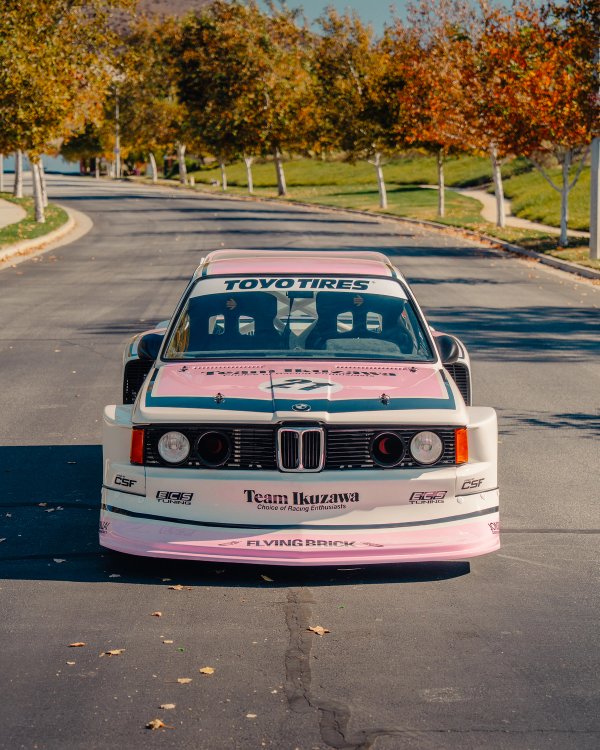
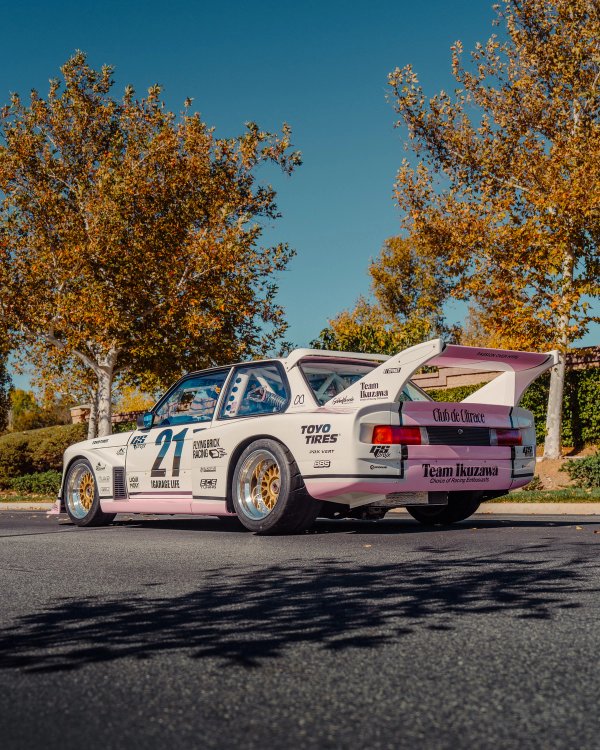
The pink and white creation visible in the photos is the first Flying Brick built in the US. It premiered at SEMA 2025. The car was built by Marvin under the banner of Piotrek's studio, as all the wide-body extension panels were shipped across the ocean specifically for this project. The build was a collaboration with Toyo Tires and Team Ikuzawa, the legendary Japanese outfit founded by Tetsu Ikuzawa, a pioneer of Japanese motorsport. Under the bonnet sits an S52 engine from a BMW E36 M3 with dual VANOS.
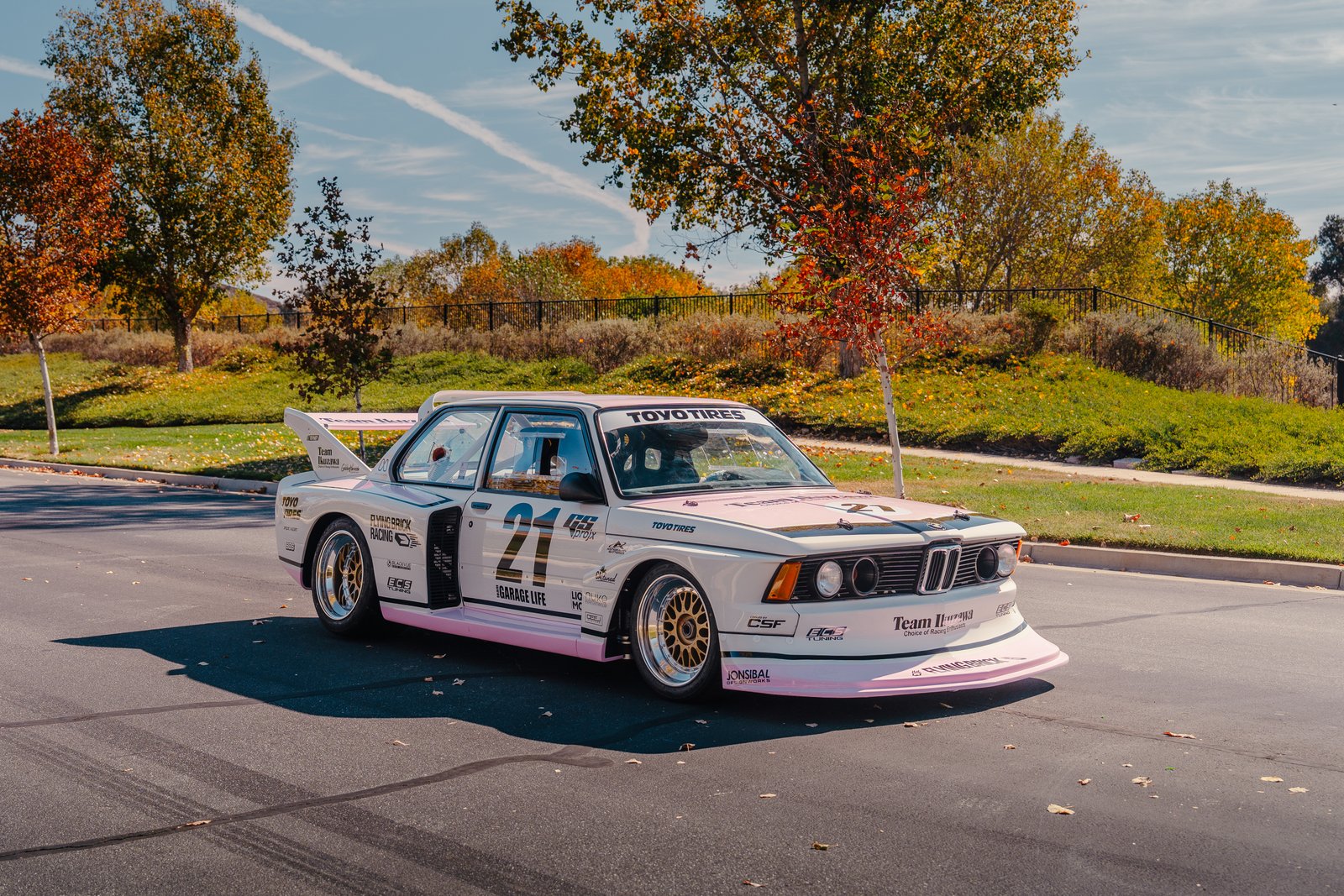
The livery is a tribute to the Porsche 935 K3 of the Gozzy Kremer Racing team, which Ikuzawa drove at the 24 Hours of Le Mans in 1980. That car wore a distinctive pink and white livery with Japanese kanji characters.
Shipping the bodykit to the US was an exception. From the outset, Piotr had no intention of selling the extensions alone, preferring to build complete projects in accordance with his own vision and aesthetic. In this case too, he had a significant influence on the car's final appearance.
003: In progress
After a break spent helping organise Ultrace 2025, Piotr returned to work and focused on developing Flying Brick Studio. It's based in Wrocław, in a modest workshop. This is where, bolt by bolt, the next projects come to life.
Building a car like this takes six to ten months, depending on the complexity and the client's wishes. Many tasks are outsourced to subcontractors. One of the main ones is the company run by Marcin Scheffler, responsible for roll cages, metalwork, and final suspension setup.
Piotr is currently building BMW E21 number 003. At this stage, the car is being prepared for the bodykit and suspension component installation. As with the previous version, the key players are track-spec components from the BMW E92 M3, mounted to a tubular subframe. But the changes don't stop there. A modification of the bulkhead is planned to set the engine further back and lower for improved weight distribution between the axles. On top of that: relocation of the front and rear shock towers, external oil coolers, reinforced half-shafts and CV joints, and a significant reduction in overall weight.
Asked about his vision for the final version, Piotr said that if he had a free hand, he'd happily fit an S65B40 turbo and paint the car in a silver from the Porsche palette with aggressive Japanese-style lettering. But the final decision belongs to the new owner.
At the time of writing, the car is still available for reservation and full personalisation: from the engine, through the finish and details, to the colour and a dedicated wrap for a company or private individual.
It's worth adding that Piotr has no professional background in automotive mechanics whatsoever. Everything he has learned, he owes to his passion for cars and a stubborn determination to see things through.
One conclusion emerges from talking to Piotr: the hard part isn't starting and changing your life completely. The hard part is not stopping when things get difficult.
Photos: Jędrek Soliński, Szymon Stachura, Marvin