The art of subtraction
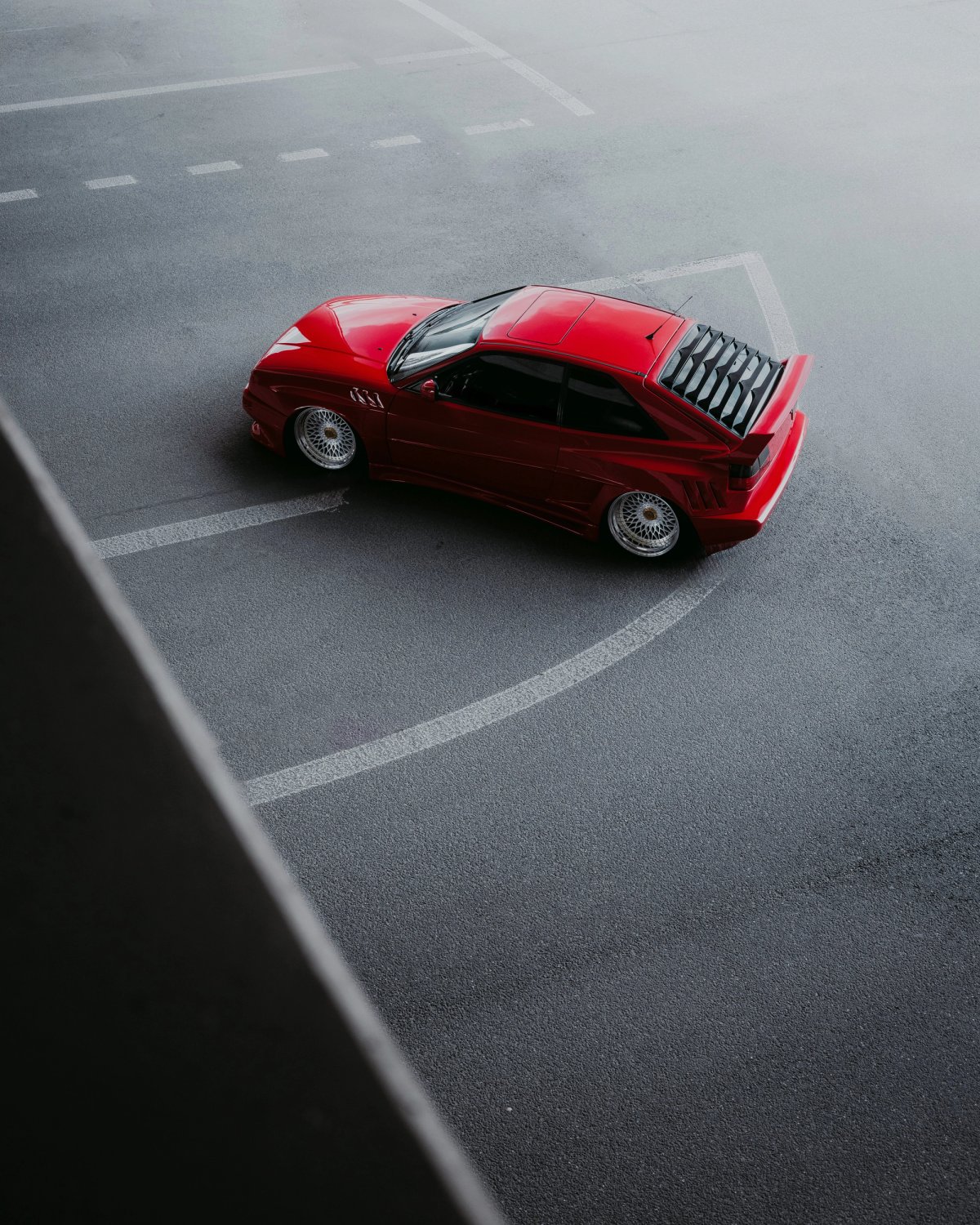
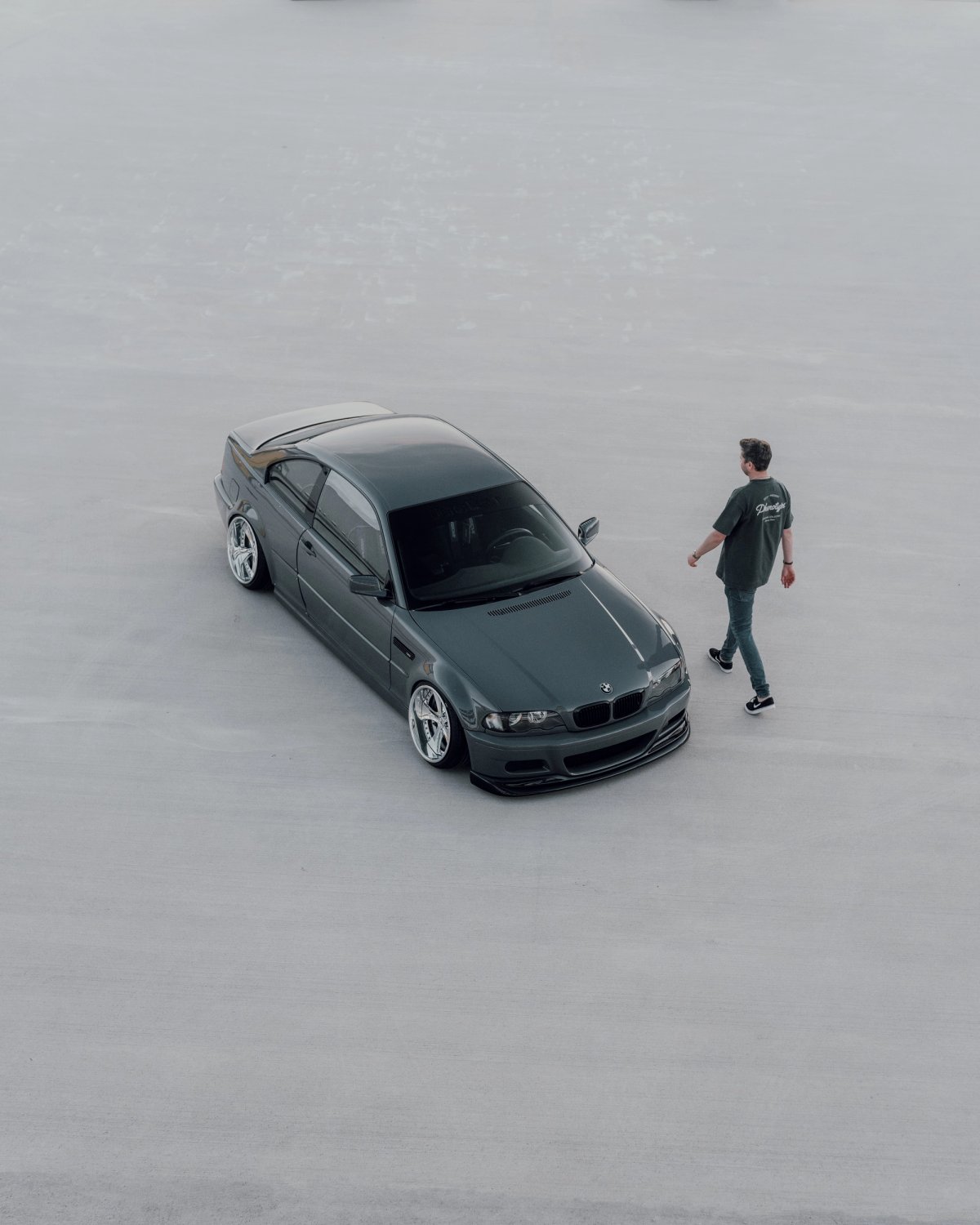
Minimalism in automotive photography is a bold choice. In an era of visual overload, where every image fights for the viewer's attention, Kamil Koźlarek chooses silence. His photographs are considered compositions where every element has its place, and emptiness is just as important as what fills the frame.
We talk about the path to his own style, one that took shape over years: from a fascination with online car forums, through encounters with photographic mentors, to the discovery that composition beats lighting every time. About the album "Process", a project that was a process in itself, documenting not only three years of work but an entire modified car scene.
Koźlarek talks about cars that surprised him, about unexpected discoveries during shoots, and experiences that stay with you for years. This is a conversation about how to look at a car: is it a sculpture, a canvas, or perhaps both at once? And why sometimes it's better not to scroll through Instagram when you're trying to learn photography.
Your style and minimalism are undeniably distinctive. What was the path to that style? Did it happen by chance, or did you feel from the start that this was the direction you wanted to take?
It was a process of searching until I found it. It's the result of the journey you go through as a photographer. At the beginning, you're simply happy to have a car in the frame. After a year, you start to notice that you can frame the shot differently: it'll be calmer if you use the car to cover something distracting in the background.
Year after year, you spot more and more elements you want to hide or control. In a way, you're creating your own world: you want to show reality as you see it in your head. After years, it turns out that this is exactly the image I carry inside me, and that's where the minimalism comes from.
I think it happened somewhat unconsciously. In private, I'm not a minimalist at all: I don't own three identical T-shirts or have a perfectly tidy desk. It's probably a way of breaking from the everyday. It wasn't a hundred percent deliberate choice, more something that emerged naturally over the years.
Who had the greatest influence on shaping your style, and what specifically did they teach you?
That's a tough question from today's perspective. There's such a flood of content now that, to be honest, I'd struggle to say who I'm currently inspired by.
But from the earlier years... Right at the start, before I turned eighteen, I had an account on the Raceism forum [now Club de Ultrace]. I'm not even sure I had a camera at the time, but I sat there browsing every thread. I remember photos by Piotrek [JLZ1]: I was totally blown away, because he was completely different in those years. When I scrolled through photos on the forum, his clearly stood out, they were on another level stylistically.
Then I liked the photos by Dymha [Damian Kurant]: I also thought it was something fresh. After that, I got really into photos by Adrian Wojtal [@kodakwhat], a Canadian of Polish origin. It was a total surprise that he spoke Polish! We ended up meeting, we clicked, and it turned into something nobody expected. For a period, he had a very strong influence on how I perceived photography. He definitely opened my mind.
Those were times when heavily contrasted photos were trendy: a gradient from the bottom, from the top, adding some flare. But he had a very soft style at the time, which hardly anyone was using. Now that soft style is popular, but you could say he was ahead of his time.
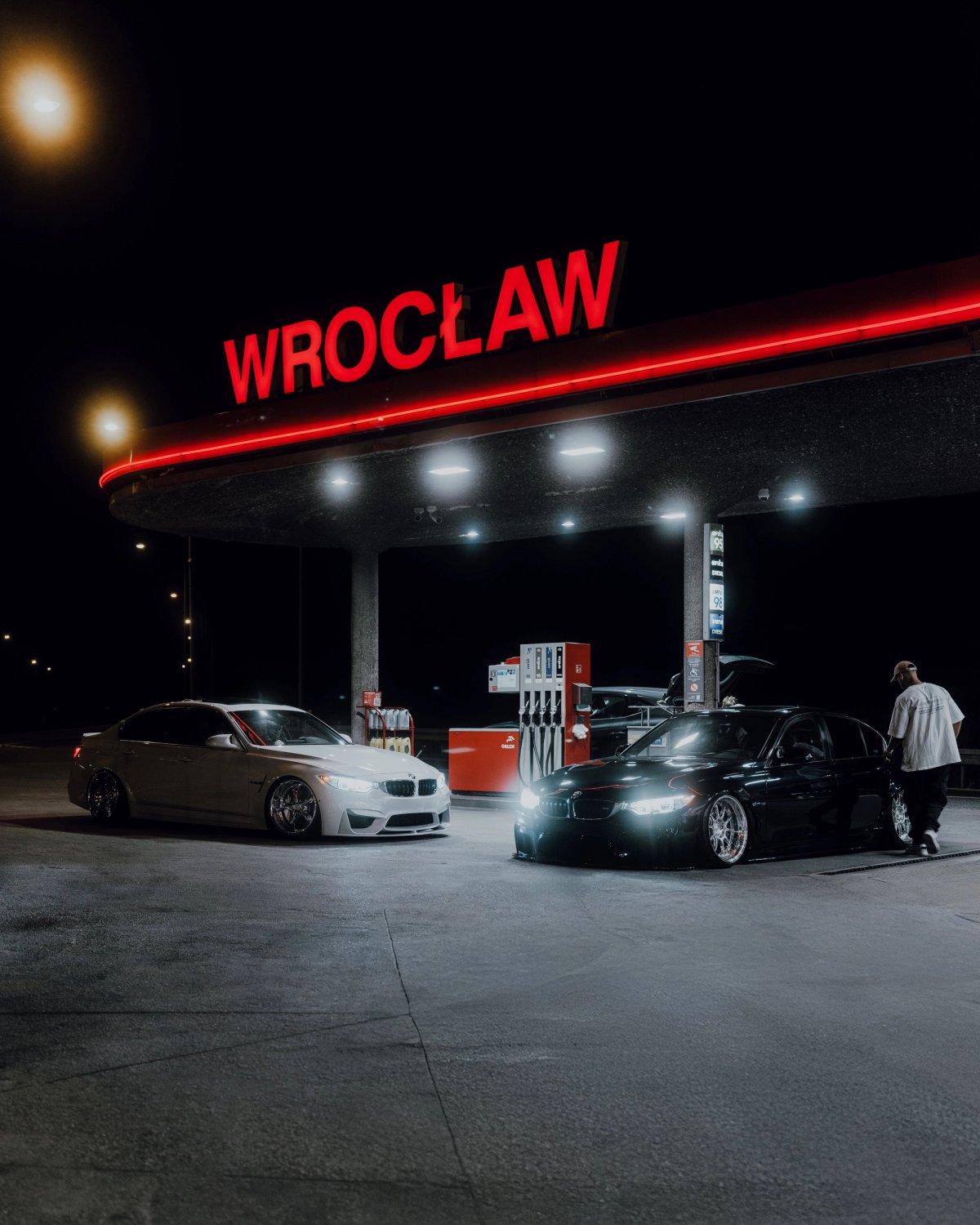
Perfect light vs. perfect composition. If you have to choose, which do you prioritise, and why?
I'd say composition. Composition above all. You can always work around the light somehow. Although, if we're talking about outdoor shots: then definitely composition. If we're talking about studio work, then obviously, light.
When you look through the viewfinder, do you see primarily a machine, or a character with its own story?
I think "sculpture" is a good way to put it, in terms of shapes. I look more at how the surfaces change, what the body lines are like, the details, how the light reacts to all of it.
A sculpture in terms of form, but also a canvas, in the context of the owner's work. Very often the car itself can be totally bland stylistically, not much going on. But if someone has a great idea, a good head on their shoulders and knows what goes with what, suddenly you get an incredibly striking car that outshines any elaborate design.
It's a combination of two directions: the shapes of the car itself as a base, and what the owner has created.
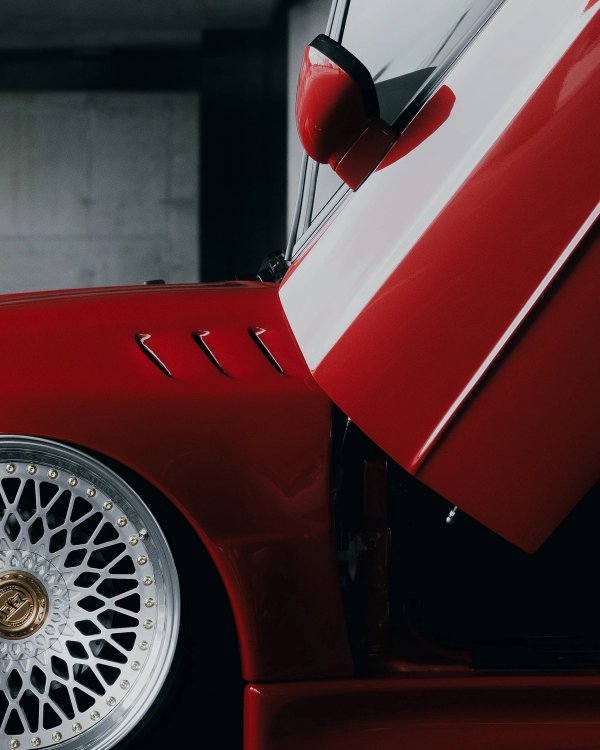
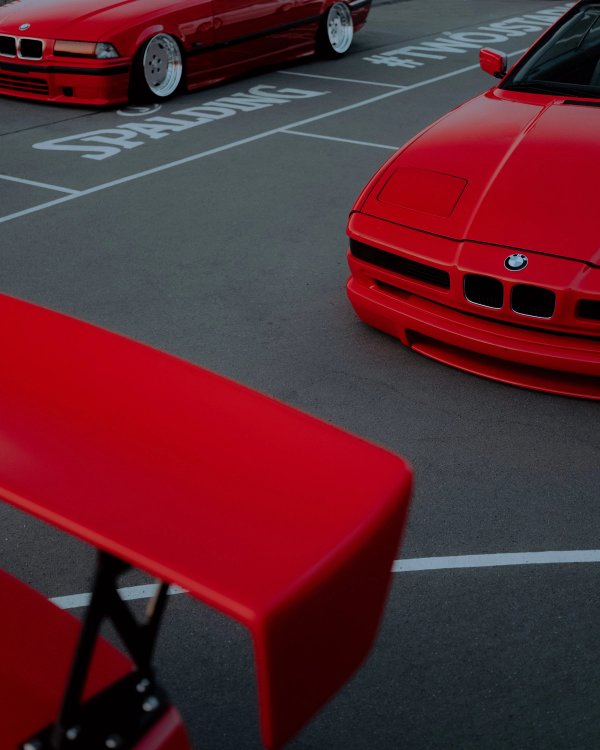
A car that surprised you. Has photographing a specific model ever completely changed your prior perception of it?
I'll split this into two topics. First, cars that make a huge impression in terms of form, and second, cars you experience by driving and that leave an impression that stays in your head for a long time.
In terms of looks and styling, this year I had two cars that literally gave me goosebumps. The first was an F40 at the Ferrari Museum in Italy. I know, a cliché, but I'd never had the chance to see one in the flesh before. In person, it turned out to be even better than in photos. I stood next to it for probably 30-40 minutes, walking around it, setting aside the obligation to take photos: just pure absorption of what was in front of me.
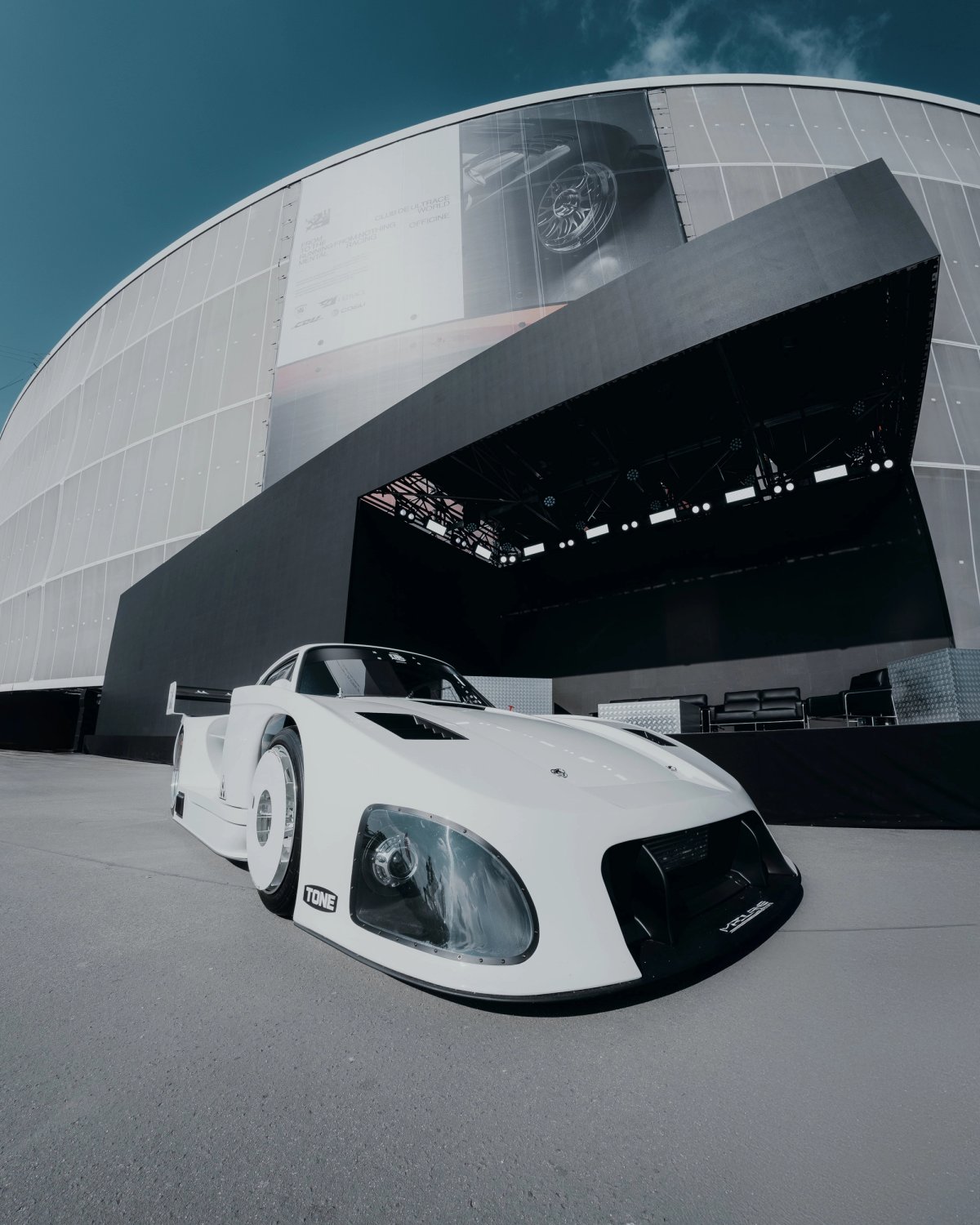
The second, which made an enormous impression on me, was the EB110 at Ultrace. That car completely caught me off guard: stylistically it's incredible. Both when you look at it through a motorsport lens, and when you imagine stepping out of it in an elegant suit and it fitting the car's character perfectly. A beautifully ageing model, I'd say even more timeless than the F40. And it's a car that somehow barely existed in my head before the event.
And the second topic, cars I've experienced: the most unbelievable thing was riding in the Unimog with the lads in Łódź. It was something beyond description and it'll stay in my head for years as the most absurd experience. You're sitting there with headphones and a microphone, the sound is like someone drilling next to your ear, you're doing 40 an hour, everything is shaking, you're sitting at truck height, you stop in the middle of an intersection in Łódź because a gear won't engage... And you're just living and grinning like a child. It was incredible.
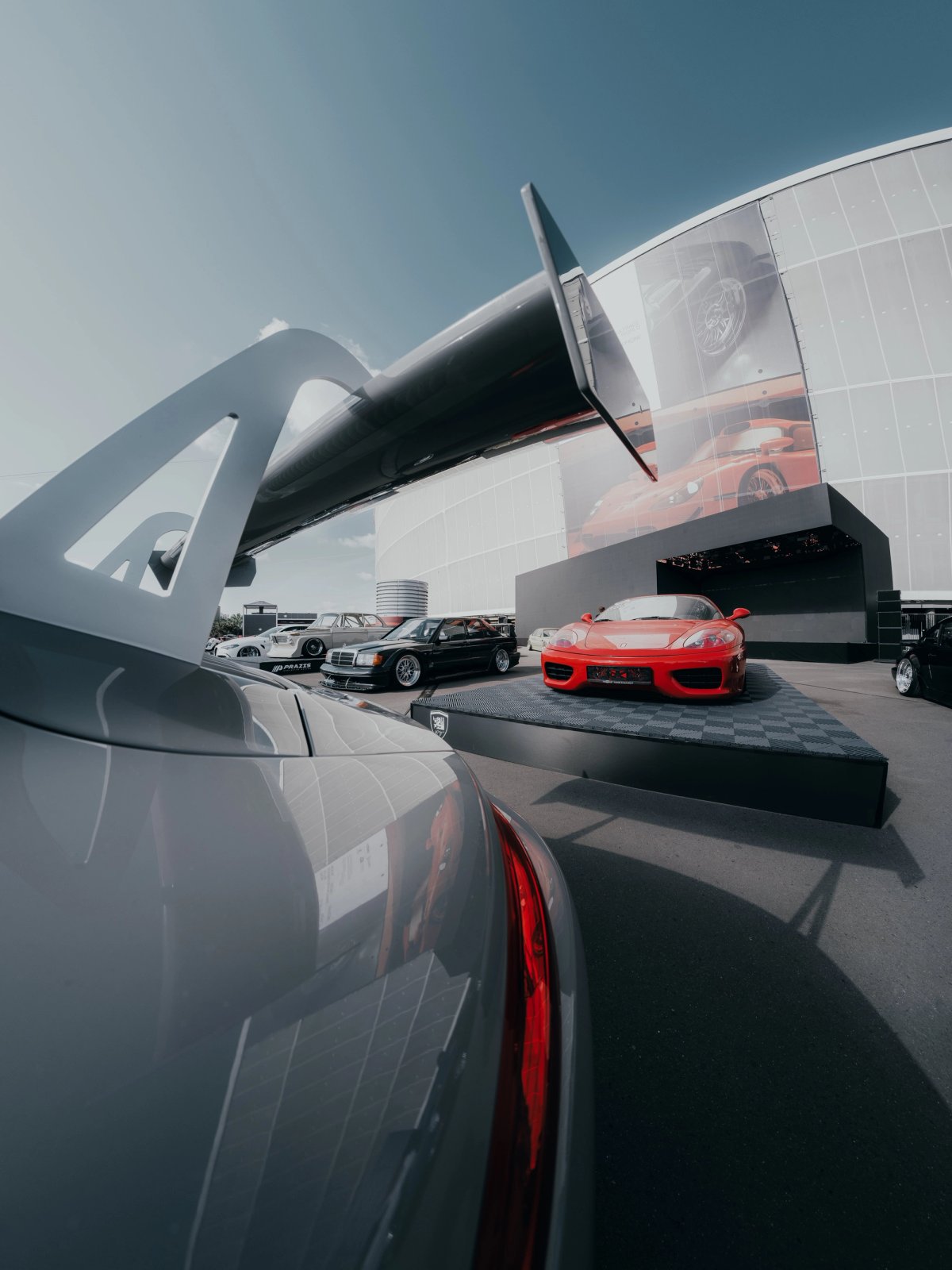
Where did the idea for "Process" come from? It's more than just a photo album, after all...
It's a project that had been sitting in my head for a very long time: a good four or five years. It was a continuation of something I'd started years ago: selling prints of my photos. I did it once, then again, and I was going to do a third, even better. I set myself these internal requirements for how it should look, and they were so high that I couldn't deliver. But in my head it was: if I can't do it this way, I don't want to do it at all.
For the next four years, I didn't put out any prints, nothing for sale. I was blocked by the whole thing, it sat in my head, it wouldn't leave me alone. Until eventually everything in life fell into place and I had the chance to commit more fully to photography. I decided to try living from my passion, from taking photos. This is the moment. I left my regular job and devoted myself to this project, among other things.
The book was actually ready a year earlier: last season I gave it to a few people to look through, to get their opinions on the print quality, the papers. It was half as thick, and I could see I wanted to expand it with photos from the season that was still underway. Over winter, I sat down, put it all together, and printed the first final copy.
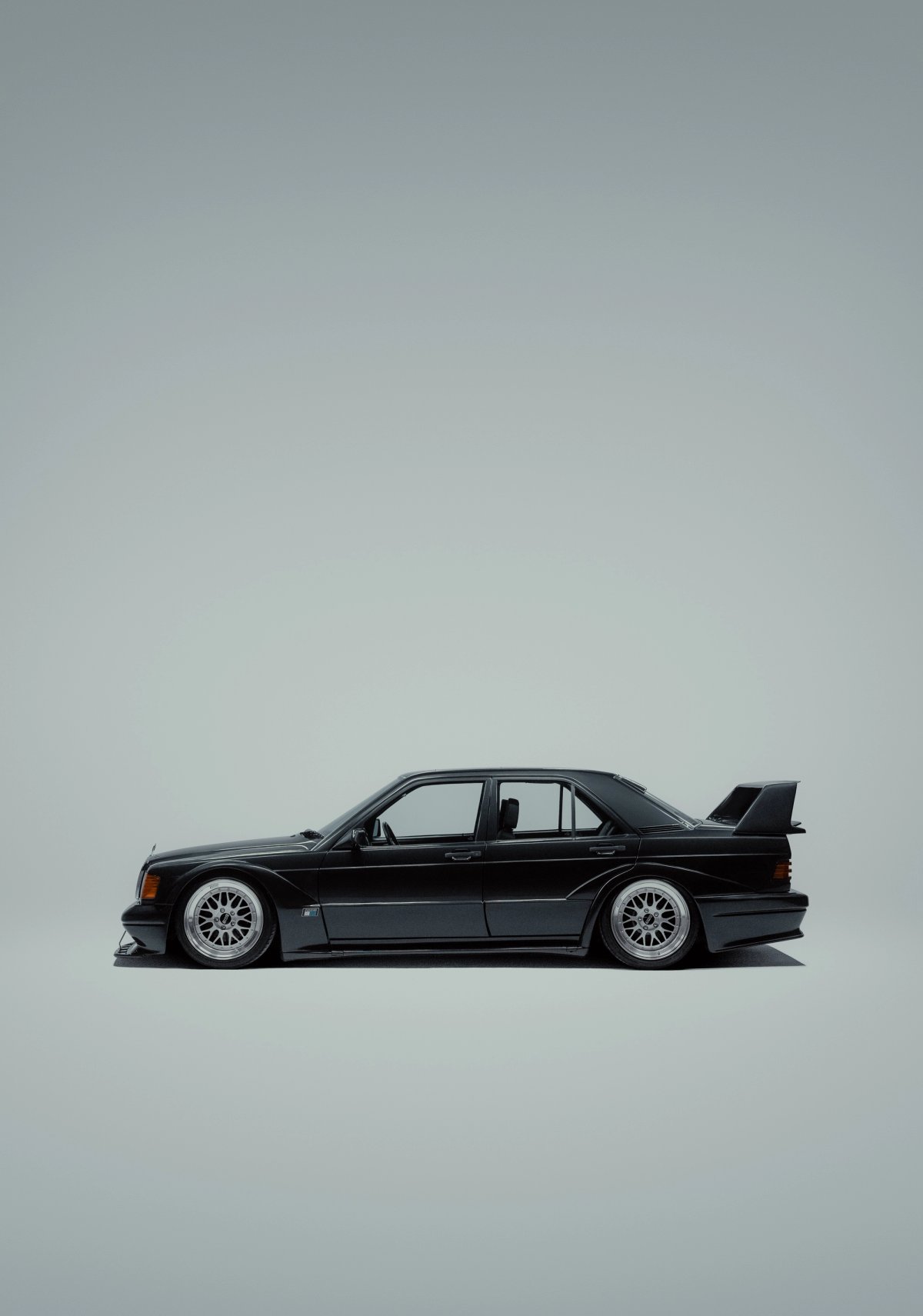
I met up with a filmmaker friend (Mateusz Kałużny) about the video material. Originally we were going to make one short film, but the subject kept growing. When the option of a studio came up, a Mercedes Evo immediately popped into my head. We managed to get hold of one and everything started snowballing.
A lot of people from the scene got involved in the production: friends helped with the website, printing, translations. Suddenly, a whole group of people from the community had gathered around the project. The album theoretically covers three years, showing my work. But at the same time, it documents the modified car scene: what it looks like. It's great that people from this community were part of creating it. It's a portrait of the whole thing.
The title itself came during the process. It wasn't there from the start. "Process": the very process I had to go through over those four years. In my head, in my life, in making the album itself. From thinking you'll do everything on your own, to suddenly having a lot of great people around you, doing something really cool together.
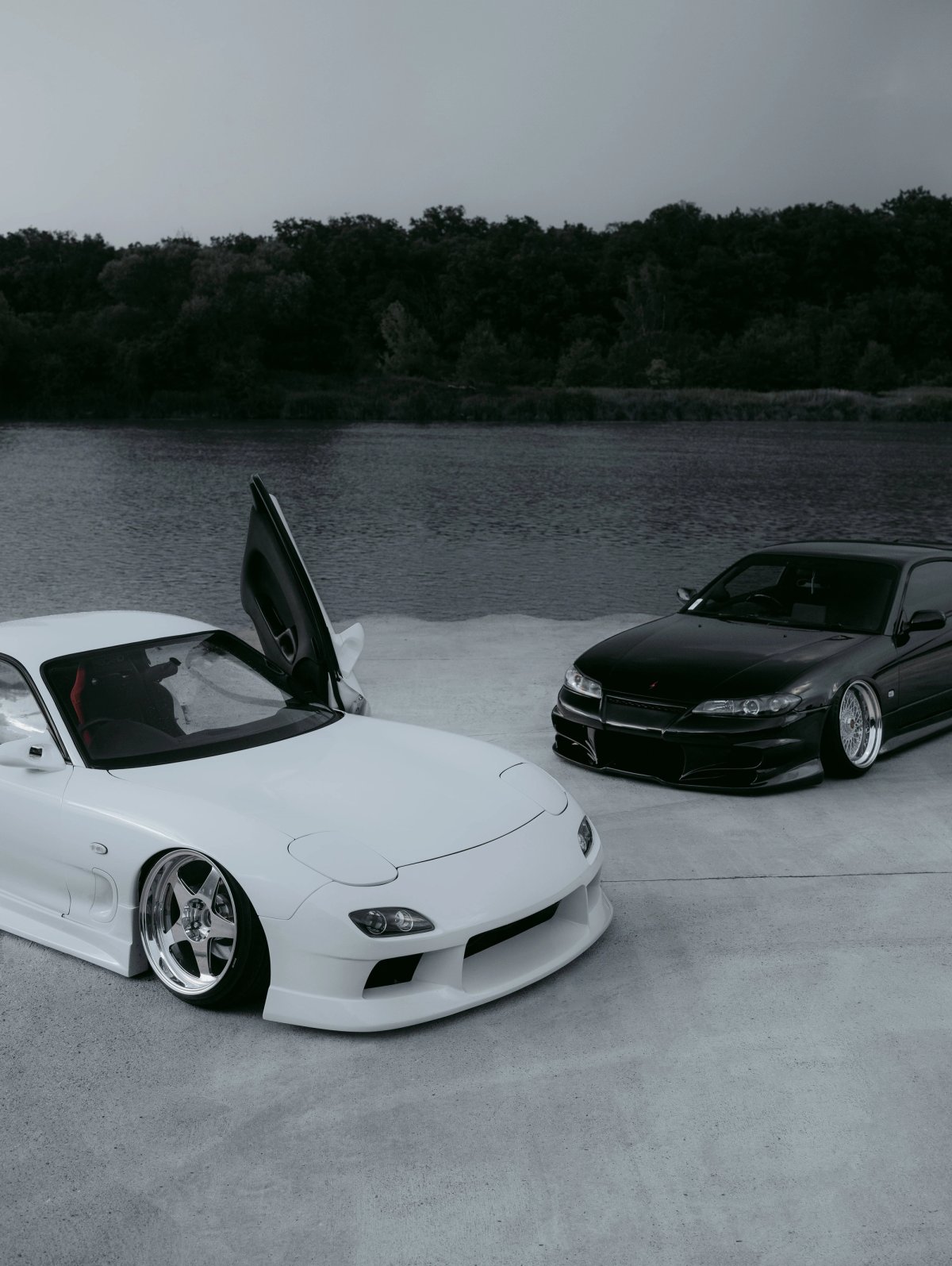
Who is this album primarily speaking to? Car lovers, photography fans, design enthusiasts, or maybe... all of the above?
At this point, I think it's definitely for people from the scene. I'd very much like the album to reach further, to end up with people who simply appreciate beautiful things, who are interested in aesthetics and have a sensitivity for it.
But I also realise it's a niche thing. Right at the start, if you tell someone it's a car album, and that person isn't into cars, they'll immediately assume it won't interest them. And on top of that, these are lowered cars, specific in a certain way, so it's a subgenre of it all.
We live in times when everything is digital, so it's quite a specific product. But I'm really glad it exists in physical form, that people can touch it, look through it. And if it ends up in someone else's hands and they want it on their shelf, in a display case, or simply among their books, that's an incredible experience.
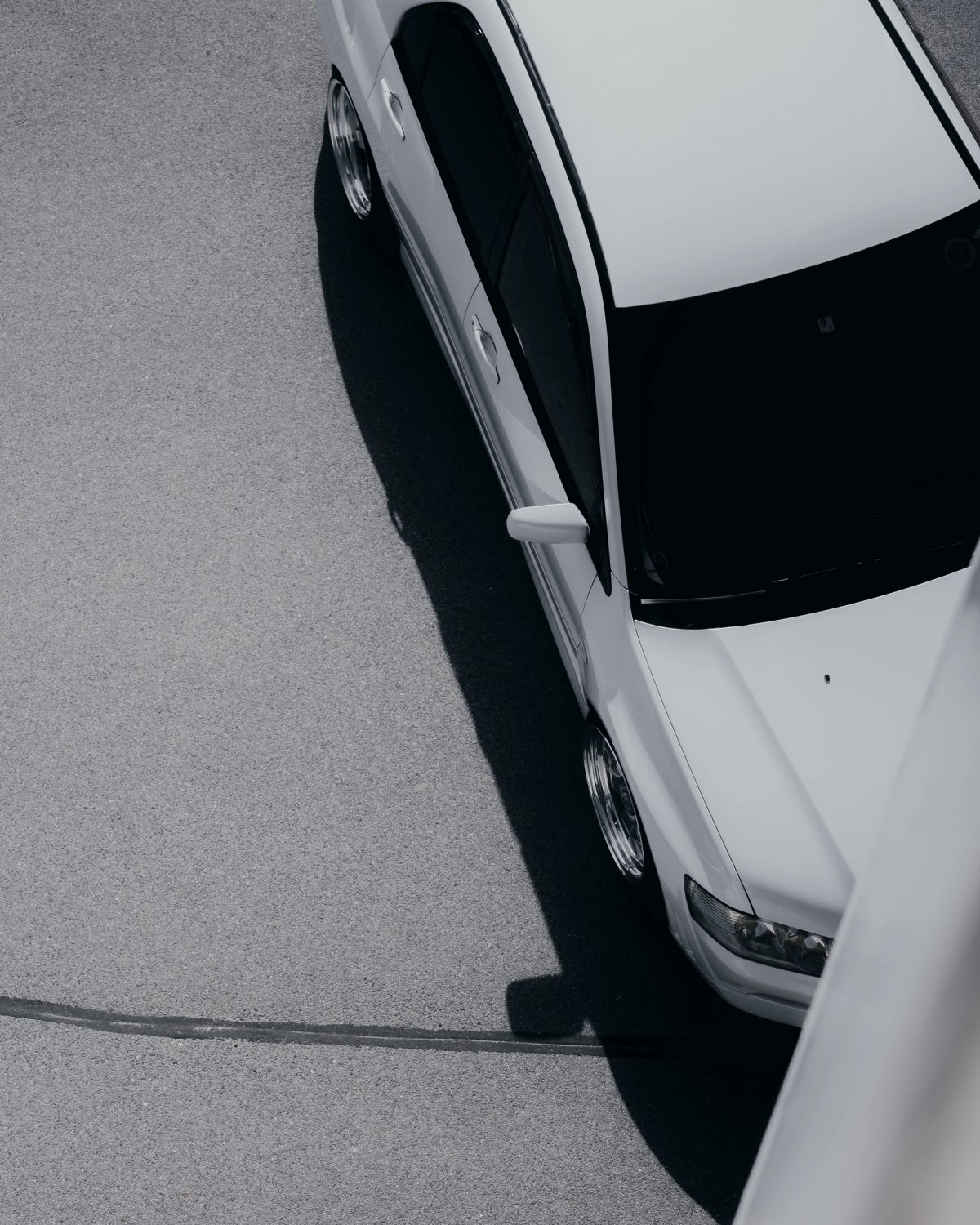
Two wheels instead of four is also a passion of yours. How does cycling influence your perception of movement and dynamics?
It's hard for me to say whether getting into longer exposures and motion blur is the result of my cycling phase. I think I was doing it a bit before that. But it certainly amplified everything at that point. I won't hide it: when I'm on my bike and shooting cycling photos, dynamics come first. You can do static shots, freeze everything, but that's not very interesting.
It definitely has an influence. It may have even started working the other way around: in cycling photography, practically everything I do has some kind of motion to it. If they're riding shots, where I'm also on the bike, it's usually all on a long exposure. Personally, I feel like in automotive photography I've actually started using it a bit less lately.
I've noticed something interesting. In automotive photography on Instagram right now, it's all about making things as strange as possible, finding something that will stop the viewer's eye for a split second. Everyone's fighting to hold that attention. There's a stage of avoidance: what can I do to make the photo look weird. In the automotive world, everything has already been invented. Another flipped frame, negatives, grain, black and white... Everyone's racing.
Personally, I try not to overdo it. When photographing cars, I want all the attention to land on the car itself, not on the effects I've added to my work. Occasionally I weave in a few experimental shots within larger sets, but I stick firmly to classical photography.
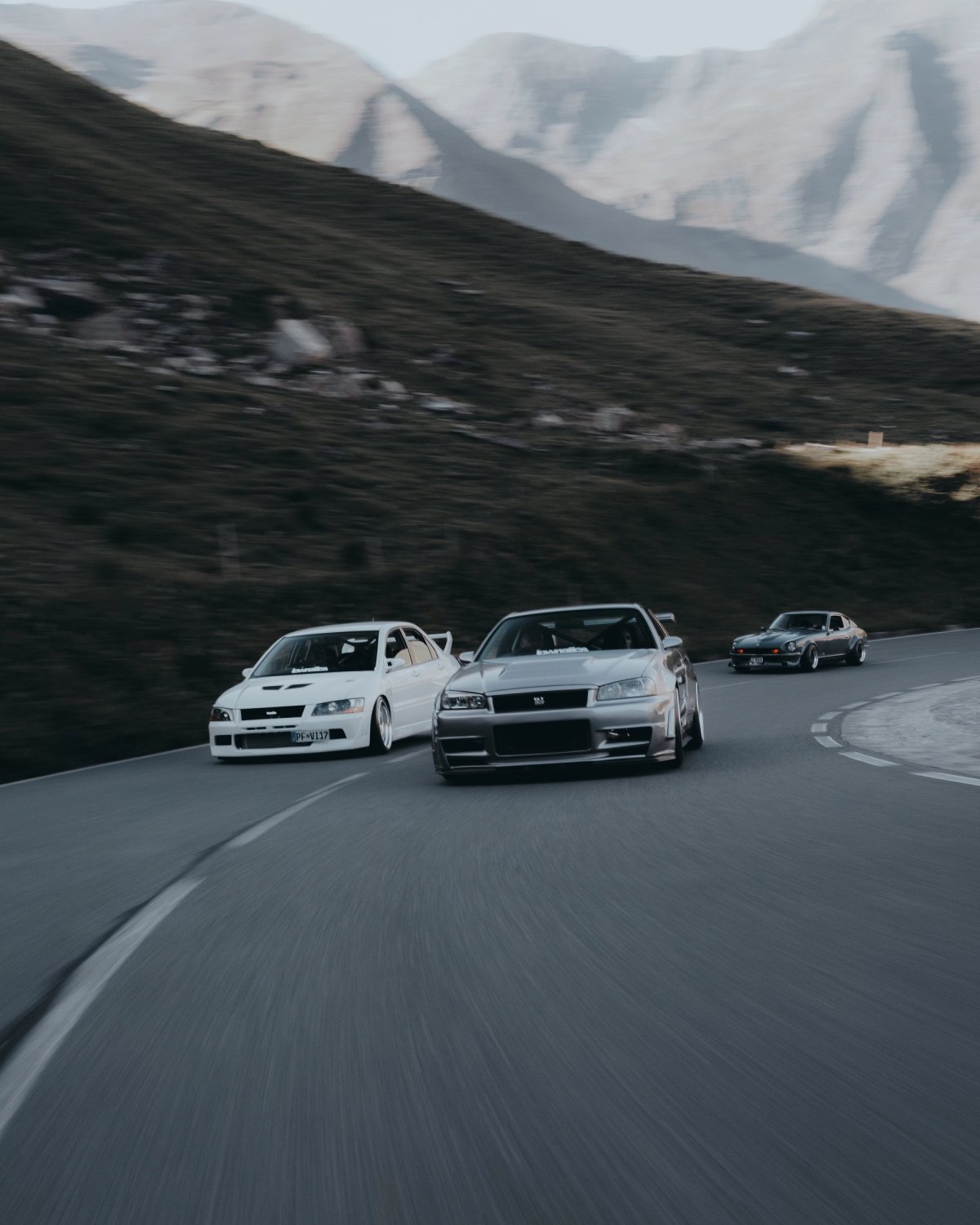
Translating that to cycling: there, on the other hand, very few photographers use those kinds of tricks. I try to weave in strange things there when I have an idea: negatives, rotations, distortions. Usually not much of it makes it to publication, more of it sits on a hard drive, but there's more room for it, simply because few people play with that kind of thing.
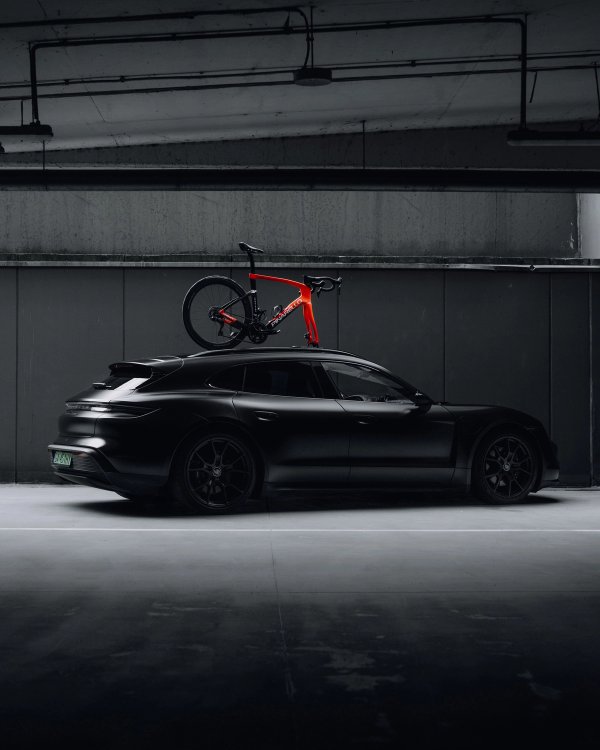
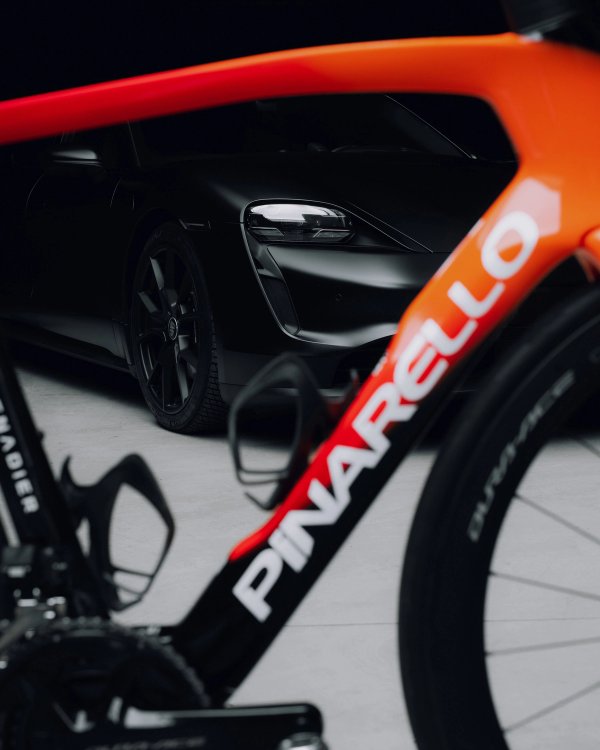
A car for life. Which do you choose, and what decides the choice?
Oh, tough question! Really tough. I know in our circles everyone has a full list, but one car for the rest of your life... I don't want to go in the direction everyone goes and say F40 or EB110. Those are completely obvious picks. I love small cars, quirky ones. But are they dream cars? I don't know.
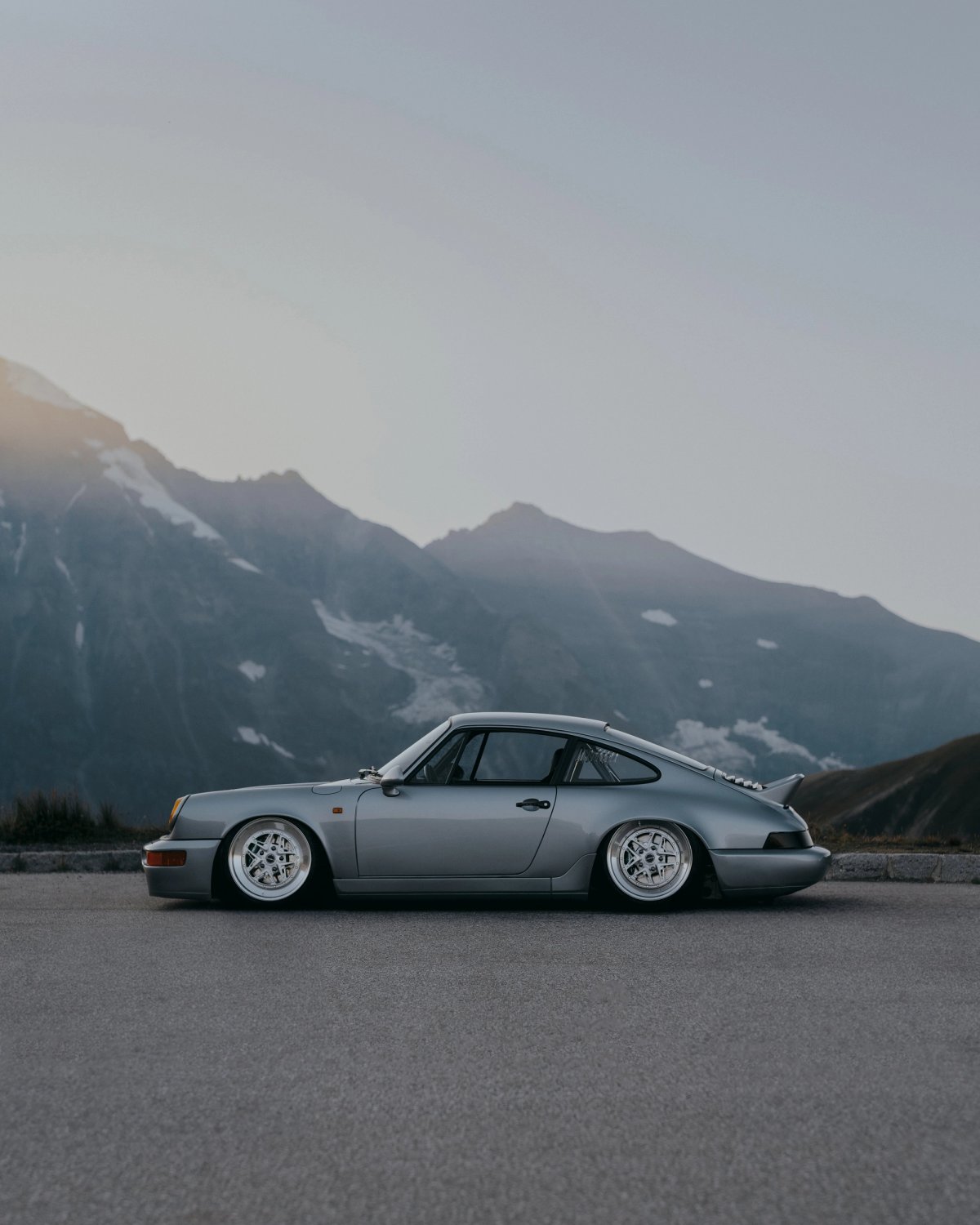
Lately I've been in love with the Porsche 964. Having had the chance to drive one, to spend some time around those cars: it's a fantastic experience. I think it would be the 964 after all.
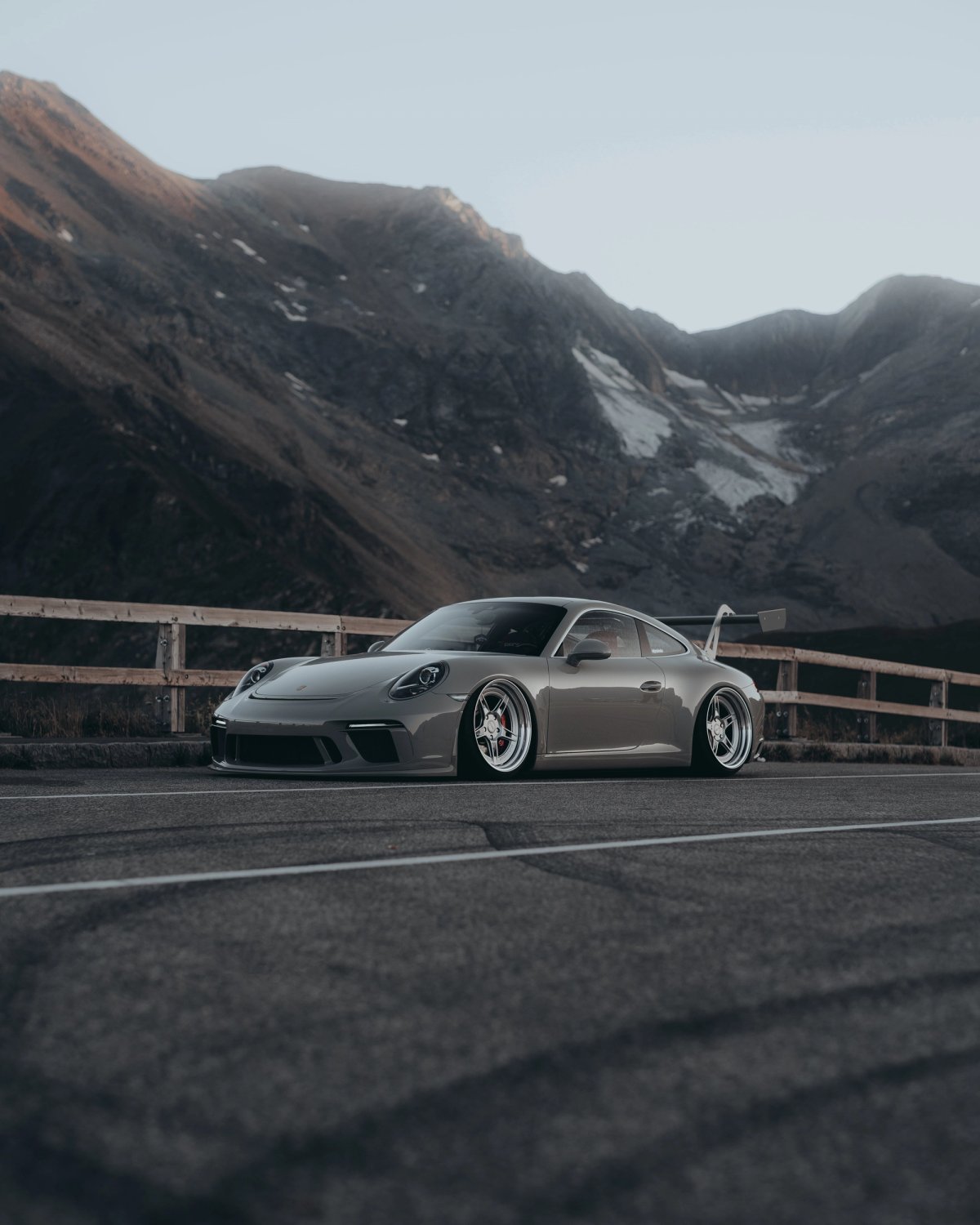
Advice for a beginner. What would you say to a young photographer dreaming of automotive photography, to make the start easier?
A few years ago, whenever someone asked that, I'd always say: go on Instagram and look at things that are beautiful or that others are doing. Analyse what's behind it. Why is it beautiful? So you can train your eye and your sense of aesthetics, understand what works and what doesn't.
But nowadays I think that's the wrong approach. I have a feeling that if someone gets into car photography without watching all those trends, without overthinking it, they'll be better off. It's a bit like abstract painting. An artist who makes blotches on a canvas could paint a perfect landscape. But they chose a different path. The point is that they could do it differently, but they do it this way. That's what's interesting, because they have the fundamentals.
If someone is a beginner and sees overcomplicated, experimental work, they'll most likely do it badly, because they'll lack the craft fundamentals and the understanding. So I'd stick with looking for cool, beautiful things that can inspire. Go to an exhibition, or even to a bookshop, and browse magazines about architecture, interior design, posters. There's a lot of aesthetic content there, and they're often beautifully printed, so you can enrich your experience not just visually, but also through touch.
If you're looking for inspiration online: I'd recommend Behance. There you'll find projects by top-level people working in big teams. At one point I spent a huge number of hours there, and it gave me a real boost in how I perceived everything.
So test things, have fun, and observe, but pay very close attention to what you're observing, whether it might be junk. That's the simple and quick advice.
Kamil Koźlarek proves that there is a place for silence in automotive photography. That you can show a car without shouting and without artificial effects. His "Process" is not just an album: it's proof that good photography takes years to develop, not a few seconds of scrolling.
In times when everyone flips their images upside down in pursuit of the viewer's attention, he reminds us of the fundamentals. Because as he puts it: an artist can do things differently, but they need to know why. That awareness of choice, backed by years of experience, is something you can't learn from tutorials. It's a process. Exactly the kind captured in his album: from thinking you'll do everything alone, to discovering that the best projects are made in collaboration with other like-minded people. In Kamil's photography, as in his choices, what counts is authenticity, not a flashy spectacle.