Period Correct
I like it when everything lines up.
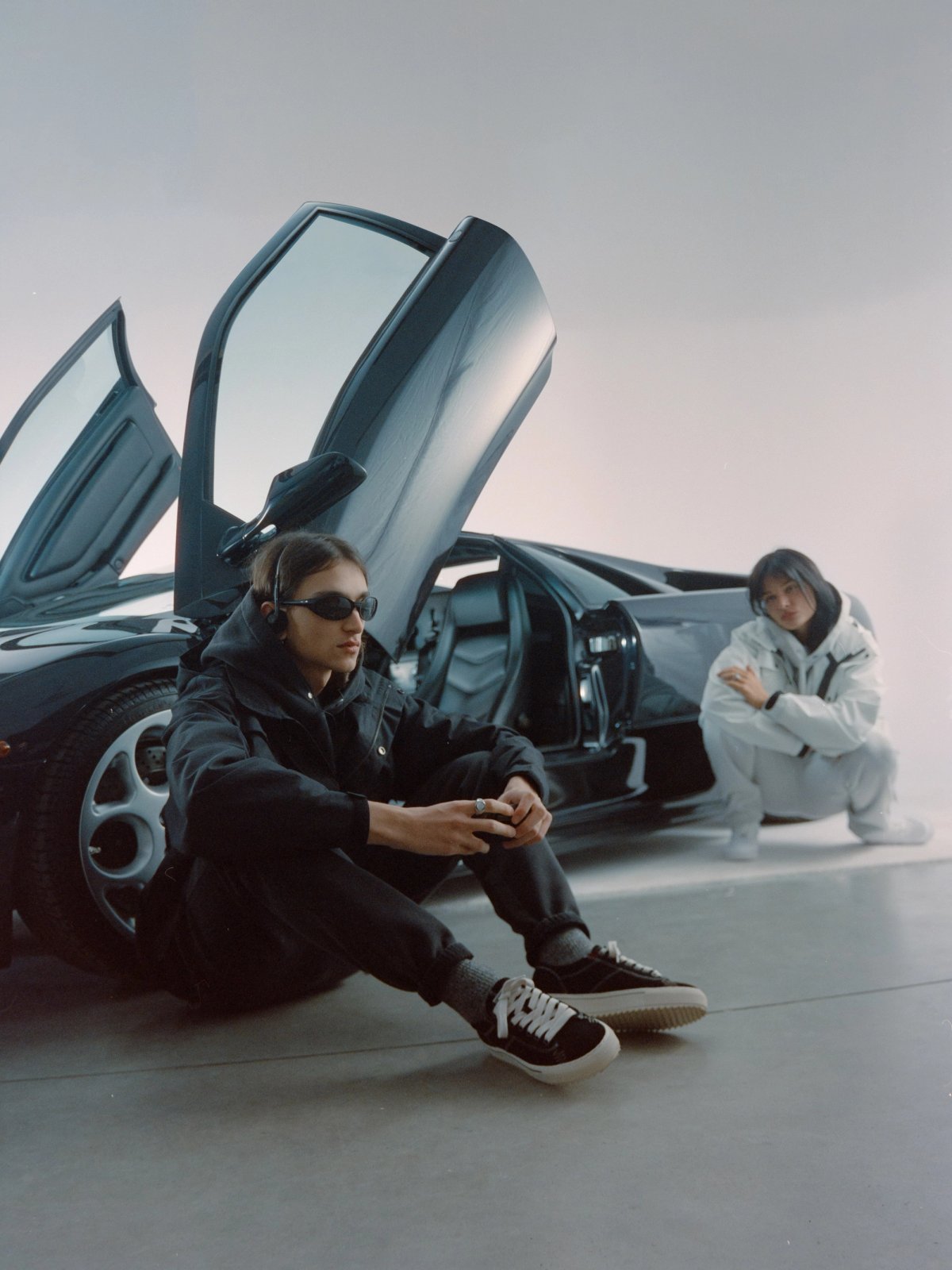
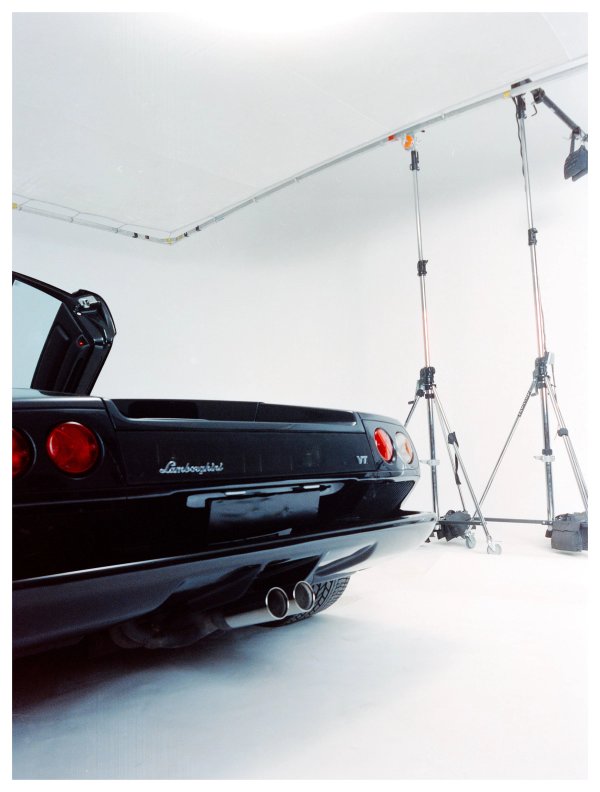
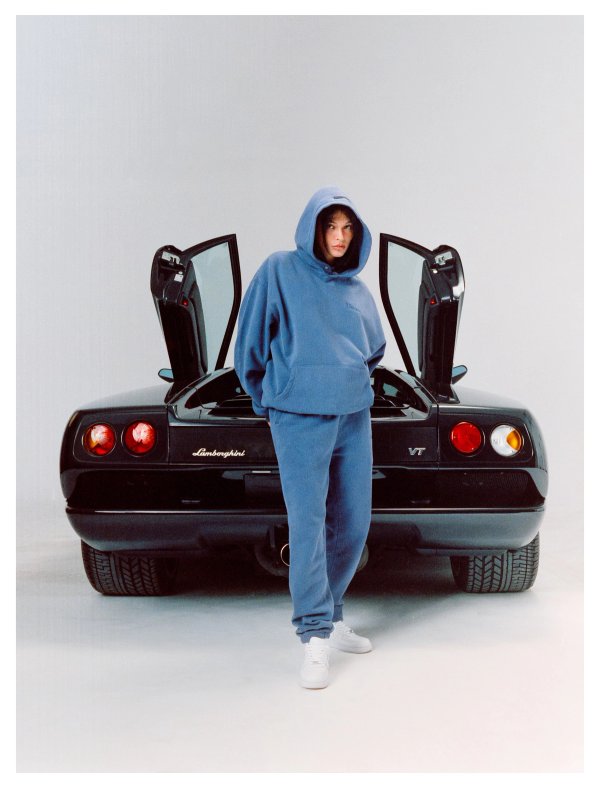
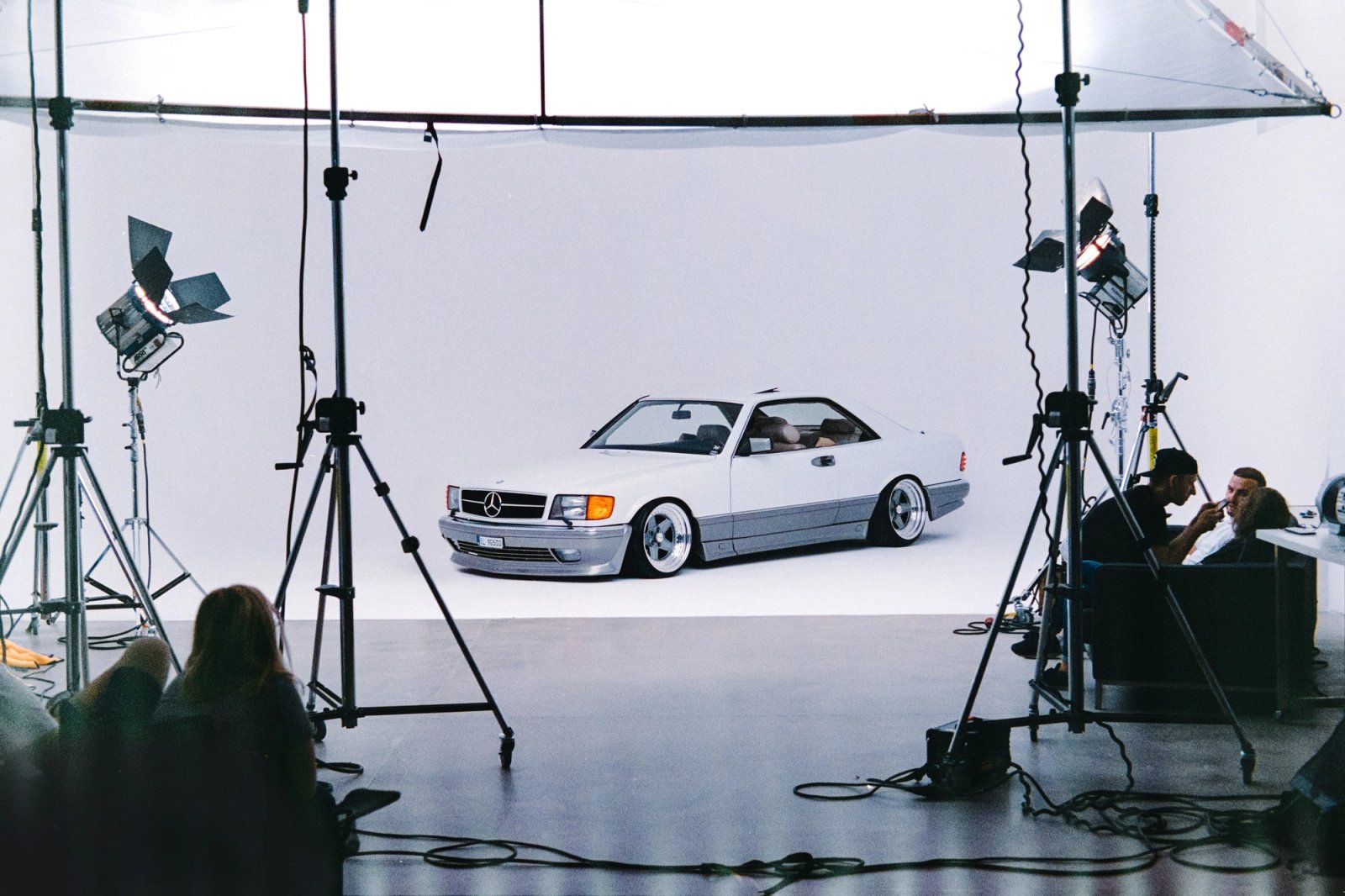
When a Lamborghini Diablo stands in the half-light of the studio, a softbox gently tracing the roofline, I'm looking down through the waist-level finder of a camera from the same decade the car was born in. Before I take the first shot, long minutes pass. I set the light, I look, I breathe. There's no rush. I only have 8 frames. I pull out the light meter, adjust, aim, take notes. An experience comparable to meditation. I like it when the car and the tool used to capture it belong to the same era. They are Period Correct.
In a world where everything happens instantly, I prefer an image that comes into being slowly. Not necessarily perfect, but true to its time. I shoot analogue, with cameras from the '80s and '90s, mostly Japanese: Fuji, Yashica, Canon.
The Fuji GX680
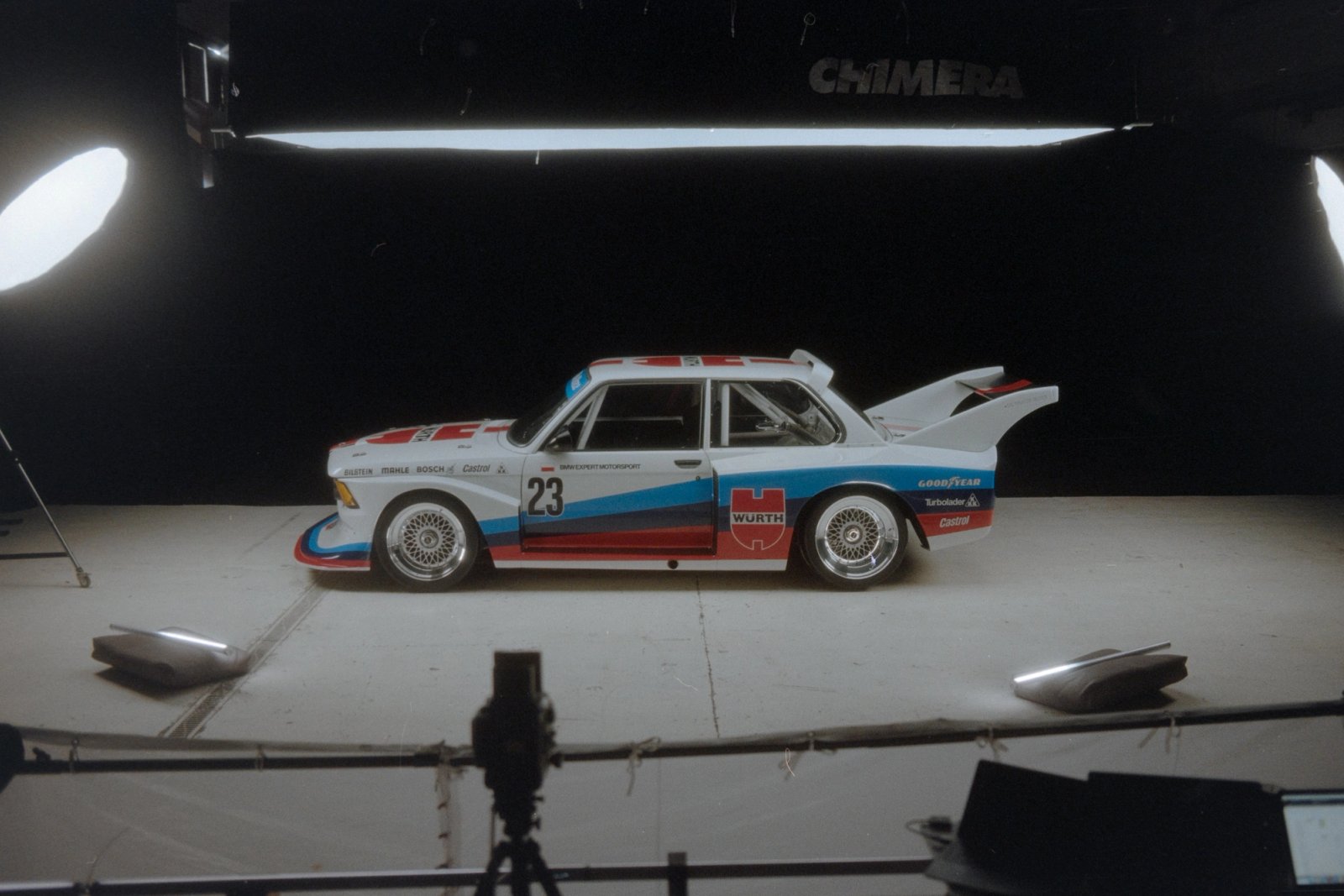
When I first saw the Fuji GX680, I thought: this isn't a camera, this is a piece of equipment from a time when function mattered more than form, and quality meant everything. Enormous, heavy, with a bellows focusing system and a fold-out waist-level finder. If anyone thinks the popular Mamiya RB67 is big, they haven't held this Fuji in their hands. I bought it at an auction in Japan. It took weeks to arrive, wrapped in foam, newspapers covered in kanji, and packed inside a suitcase that locked with a key. It was immediately clear this wasn't going to be an everyday piece of kit.
The Fuji GX680 was designed for studio work. Precise tilt and shift movements, the ability to adjust the plane of focus, a huge 6x8 ground glass. Everything here is slow, deliberate, almost ritualistic. Some of its features could put even today's digital bodies to shame. I like to think that the photos for the ADVAN brochure could have been taken with a camera like this.
A Bit Like Time Travel
This whole affair with analogue is a bit like time travel. More like an adventure you invent for yourself, one you deliberately make harder. There are easier ways to take a photograph. Sometimes I grab a simple point-and-shoot, load my favourite film, and take a few shots, looking through the tiny viewfinder and waiting for the flash to fire. Not really knowing what the outcome will be. Then I wait for the film to be developed, scan it, turn the negative into a positive. In a world where everything is instant, it's good to have something that works at its own pace. It's not about recreating a specific era. It's more about feeling that the world has been captured on film, not in the cloud.
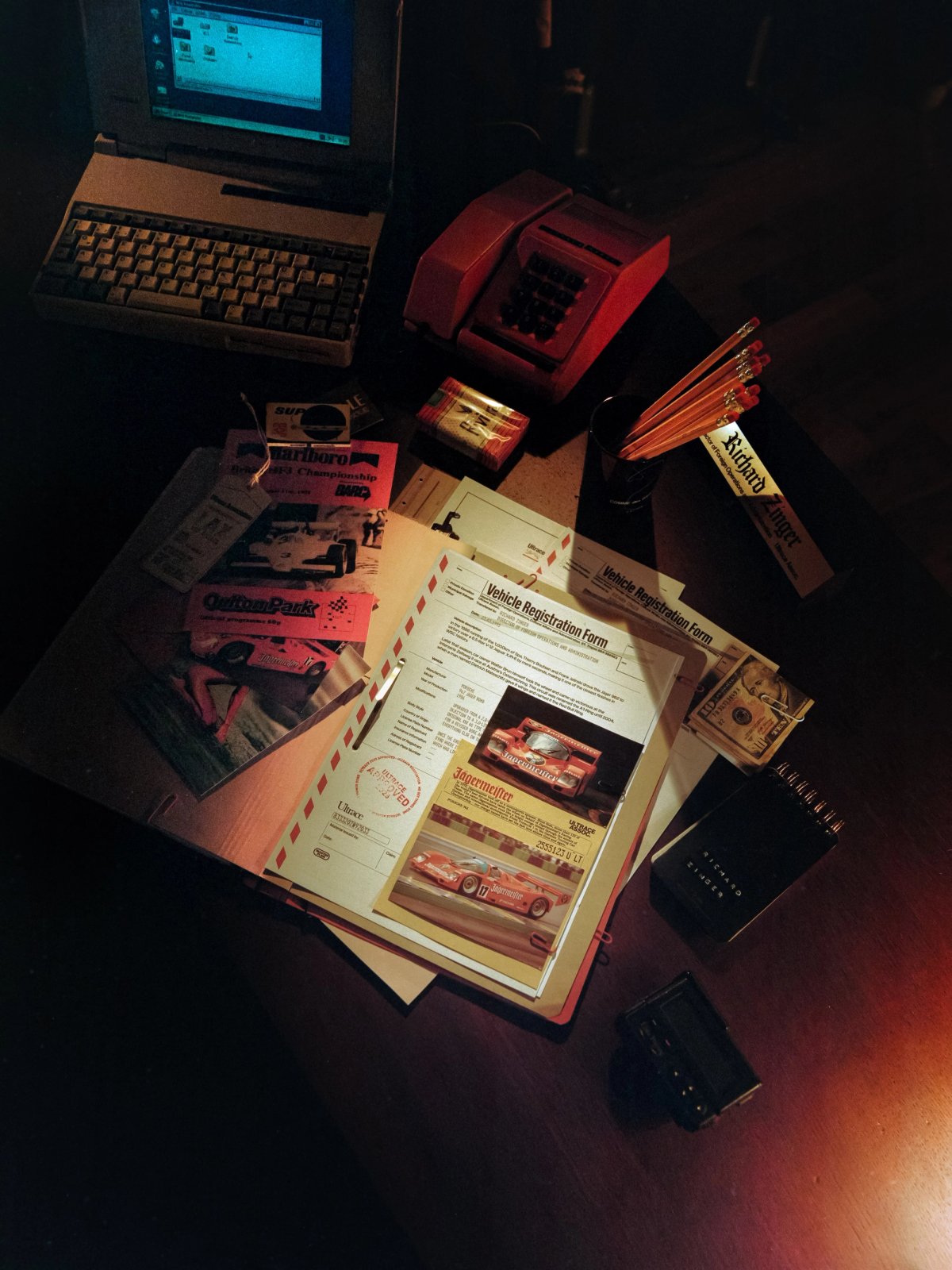
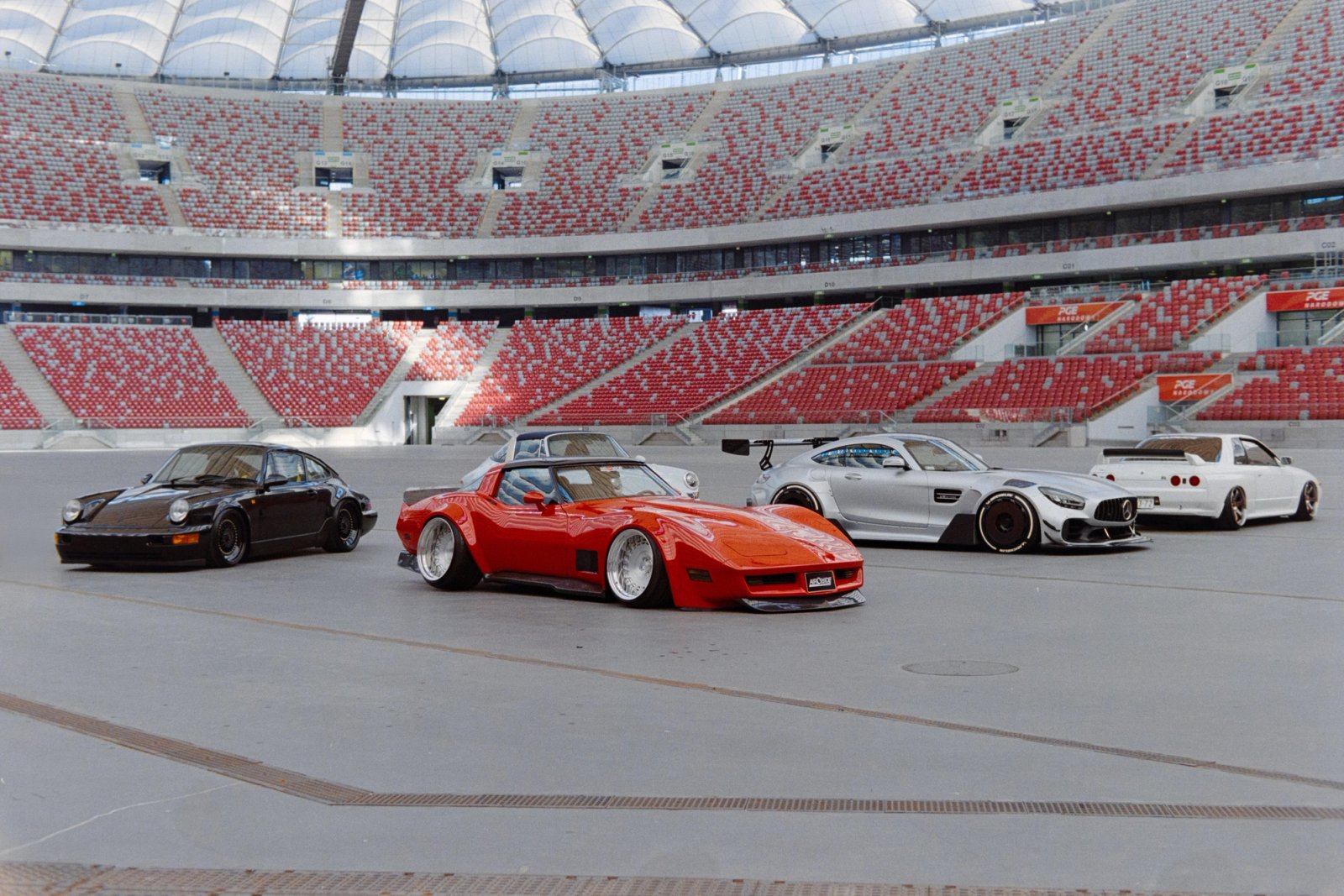
I caught the photography bug at school. We had a small darkroom: a few enlargers, a red bulb, the smell of fixer. A solid education from the ground up. Then I put the analogue camera away for a long time. The digital world arrived, work came along, other things needed sorting out. But I came back, this time more consciously. With more patience. Working at a car culture event like Ultrace, I get the chance to see real track cars, Japanese legends, and supercars from decades past, all of it up close. And perhaps that's exactly why I care so much about showing them differently. When you see an owner proudly firing up a Porsche from the '80s, you don't want to photograph it like a carspotter. You want to capture the atmosphere.
Something Worth Slowing Down For
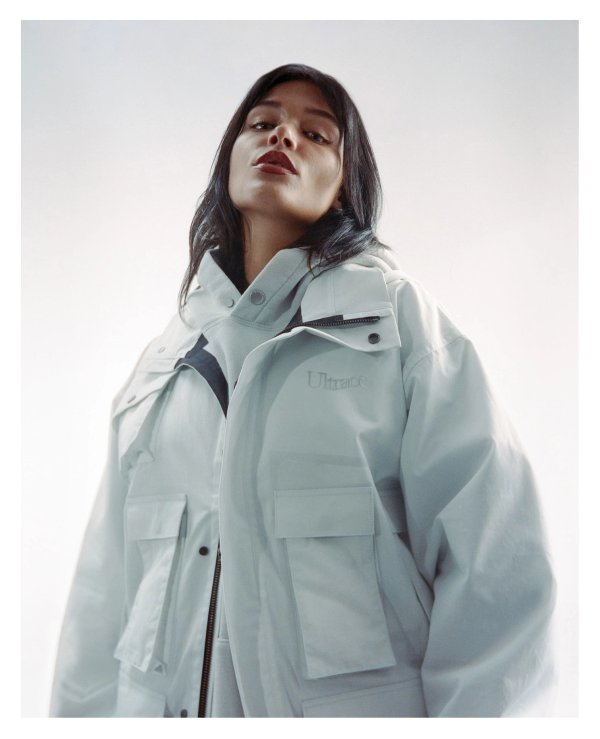
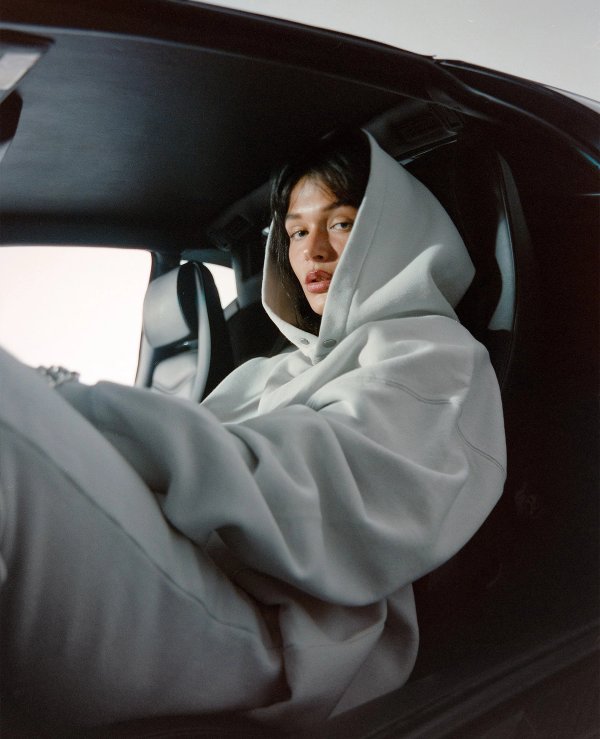
Car owners often react with curiosity when they see me shooting on film. Some ask, surprised, whether you can still buy film, or joke that they used to have a camera like that on holiday in Bulgaria back in the day, when I'm shooting with a compact. But the most common reaction is: "Alright, take your time. Do it properly."
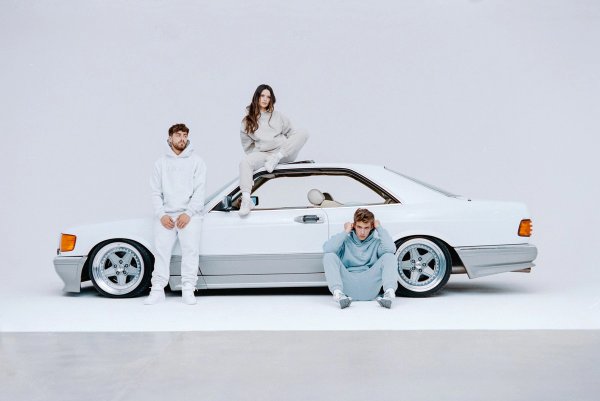
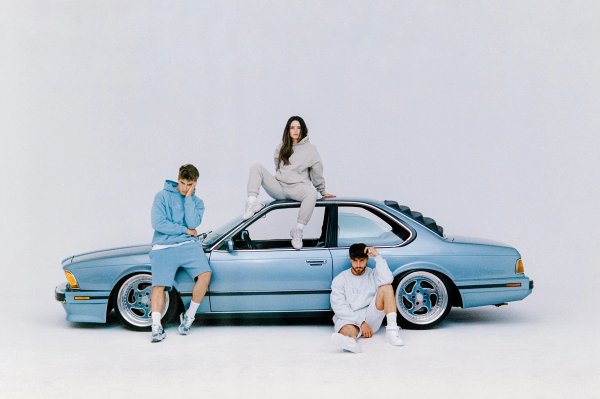
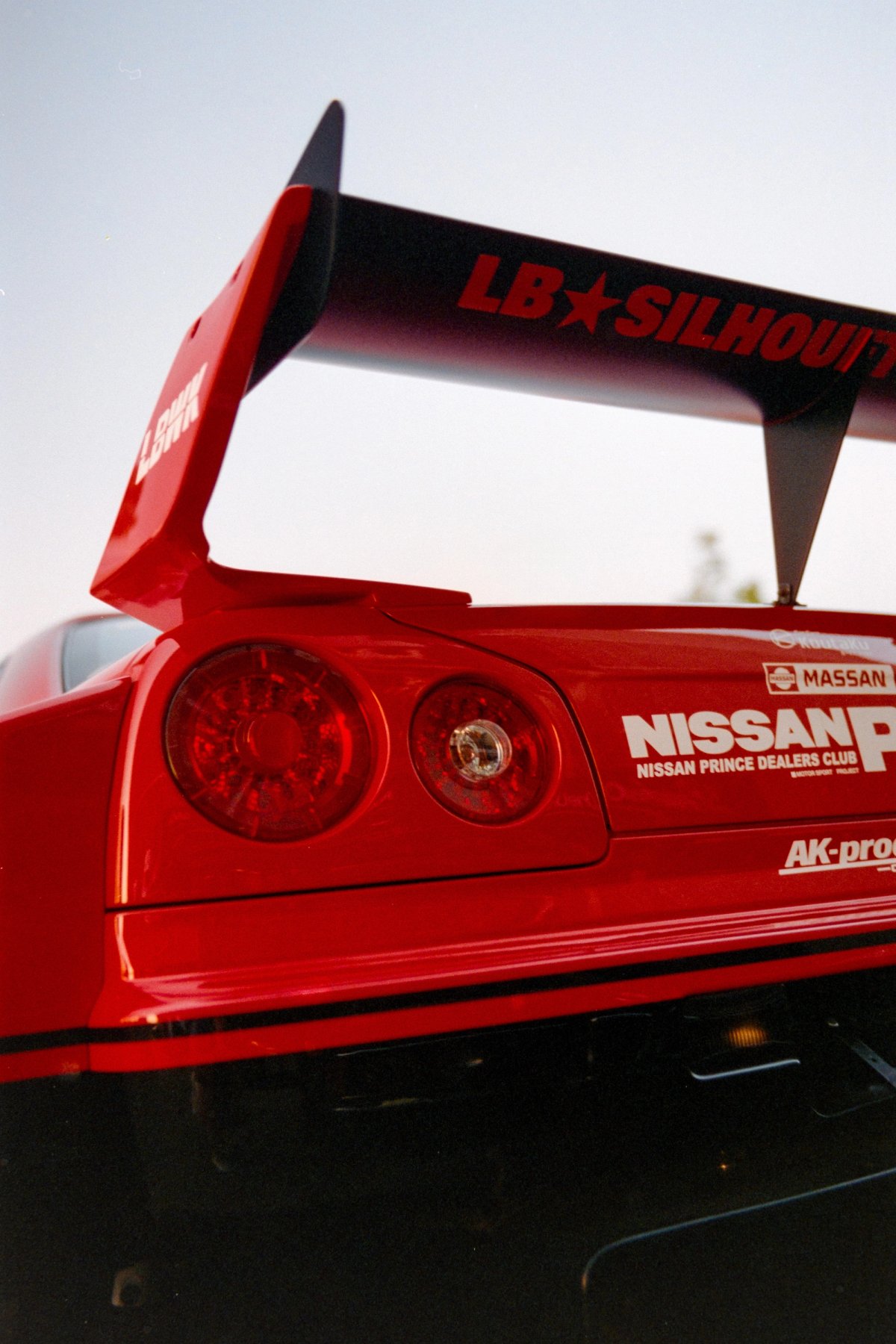
More and more, I get the feeling the world is slowly returning to the '80s and '90s. In aesthetics, in the approach to design. Cars from that era are desirable, but not just as collectible "exhibits"; rather as something you drive, modify, and experience. People like Kazuki Ohashi (Madlane, Japan) are among those who understand that culture from the inside. He isn't afraid to lay hands on Porsche icons and create the 935ML or the 930 Slantnose, and turn them into something of his own. This isn't nostalgia. It's more likely a need to return to things that had their own flavour, their own weight, their own tempo. And maybe that's why analogue makes sense again, because it fits this story.
Eight Frames at a Time
Sometimes the film doesn't wind properly, the light doesn't land right, someone walks through the background, and I realise the ISO was set for a completely different roll. But when everything does come together, the light, the frame, the car, the moment, I feel the photograph has been "made." Analogue teaches patience, but also the acceptance of mistakes. And perhaps that's why this medium never bores me. You can't fully control the process. Like a classic car: it partly drives itself, and partly you just have to feel it. I have one drawer full of negatives that nobody has ever seen. They're neither brilliant nor groundbreaking. Sometimes I don't even know what's on them, and a label reading "May 2022" doesn't exactly help. But each of those rolls was a day, an attempt. A particular lighting setup, a twist of the focus ring, and that distinctive click. And even if only a few good frames come out of it in the end, I still know it was worth it.
I know it's only going to get harder. Film is getting more expensive, chemistry is running out, equipment is increasingly scarce, and photo labs keep closing down. On the other hand, the love for classics is growing. I see it more and more among my friends. Maybe because we're getting older. Maybe because we can finally afford them now.
Or simply because some things are just good to live with. You love them for the sound, for the shape, for the fact that they don't do everything for you.
It doesn't have to be a rebellion or a grand declaration. Sometimes it's simply a choice. A little less convenient, but far more satisfying.