Behind the scenes of Club de Ultrace: where every detail matters
A thousand cars from around the world, a seven-person team, and ten months of preparation during which even a conflict in the Middle East can derail the transport of a McLaren. That is the reality of organising Ultrace, one of the largest automotive events in Poland.
When the first cars began arriving at Tarczyński Arena in Wrocław on the morning of 27 June, for the participants it was the start of a two-day celebration of car culture. For our organising team, it was the culmination of ten months of intensive preparation, during which every detail, from a 30-metre banner on the stadium to the design of a VIP invitation envelope, had to be perfect.
The Calendar of Madness
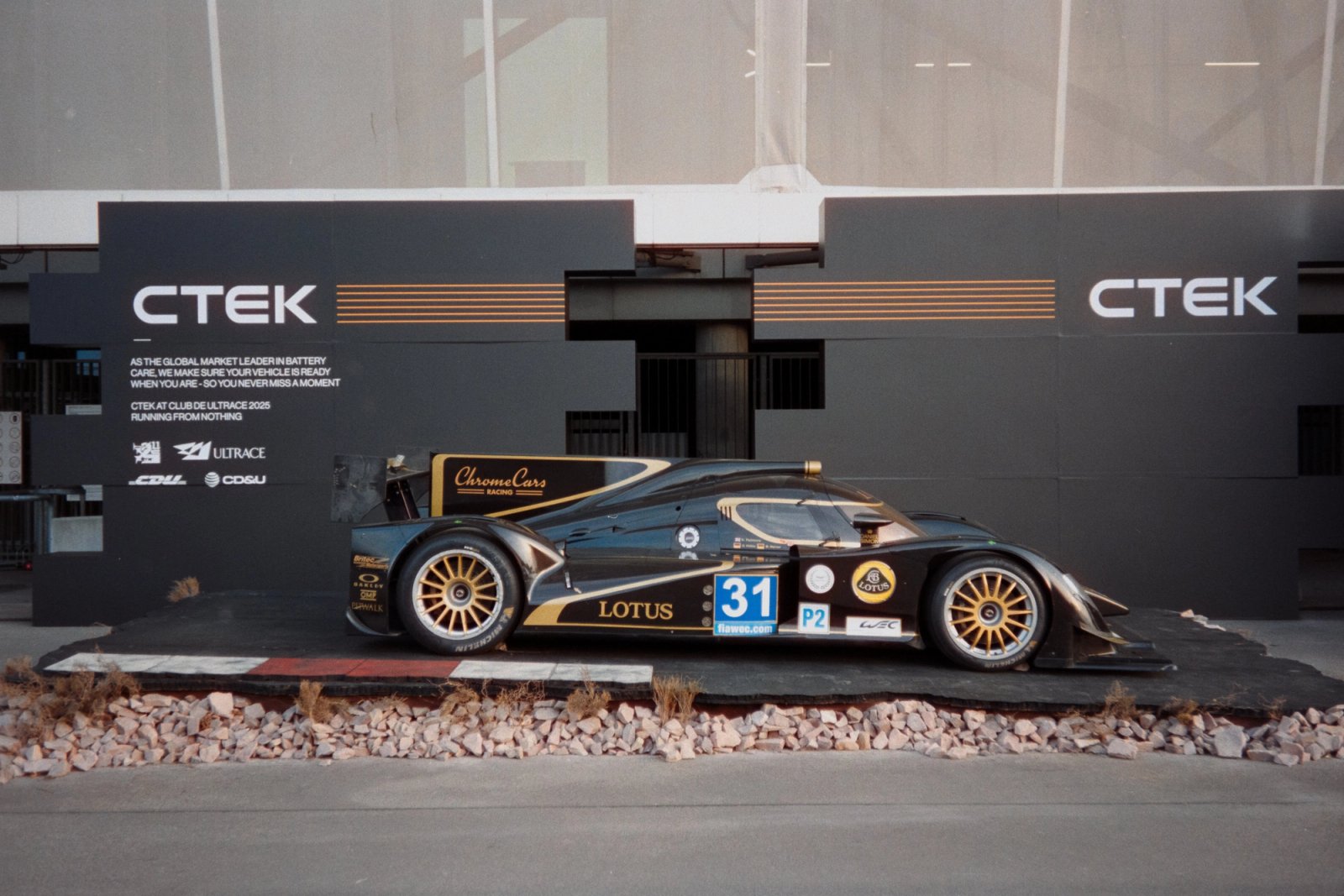
Paradoxically, work on the next edition of Ultrace begins almost immediately after the previous one ends. As early as August, when most people are only just returning from holiday, we sit down to plan the marketing campaign for the following year. December is the moment of truth: ticket sales go live. By that point, we need to have the stadium date secured (which, given the packed sports events calendar, can be a challenge in itself) and a full communications strategy ready to go. January brings the next wave: we open the application for car owners. This isn't a simple registration process. With limited space on the esplanade and the ambition to showcase the most interesting cars from around the world, every submission goes through a selection process. In parallel, conversations with exhibitors begin, from giants like Porsche and Alpine, through tuning legends like Rotiform, H&R and BBS, to technology companies like CSF and CTEK.
The Devil Is in the Details
Working with international brands is an entirely different level of organisation. When Alpine decided to bring the Alpenglow, a futuristic hydrogen-powered concept, we had to create an appropriate setting for this extraordinary exhibit. It's not a matter of putting up a tent and a roll-up banner.
Every premium stand is a bespoke project. Alpine received a custom build from a shipping container transformed into a modern exhibition space. Next to it stood an LED cube the size of a container, creating an immersive experience for visitors.
HFMSTRS, the legendary BMW division dedicated to the brand's classics, raised the bar even higher. They brought two BMW V12 LMRs, including the winning car from Le Mans 1999, as well as an E46 GTR Strassenversion. The latter is a true unicorn of the automotive world: fewer than 10 were produced, solely to homologate the racing version. Transporting and securing cars like these is an operation worthy of a heist movie.
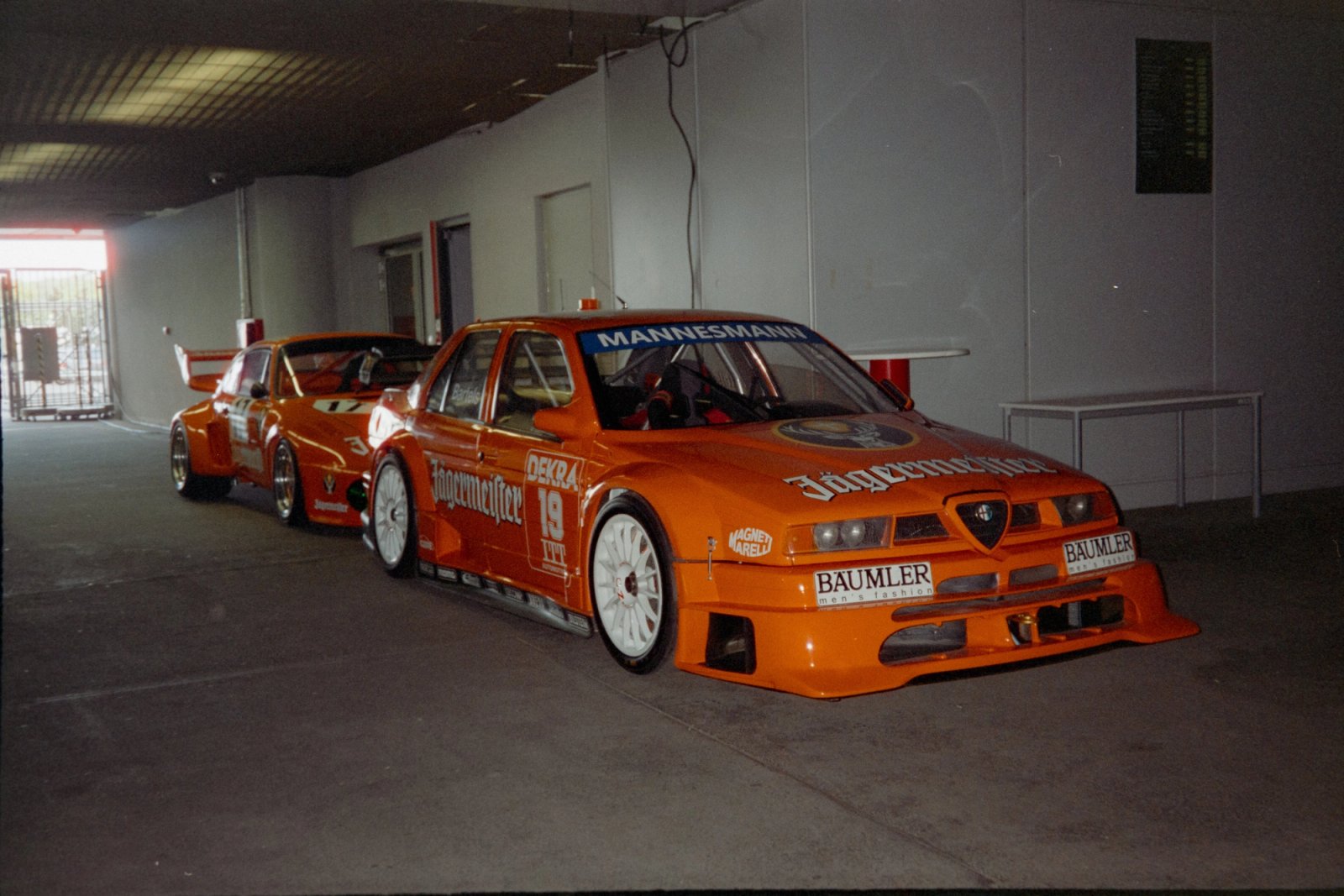
The consultation process for each stand began months in advance. 3D renders, build plans, electrical specifications, safety requirements. Every detail had to be locked down. Companies of this calibre leave nothing to chance, and we had to meet their standards.
F1-Level Logistics
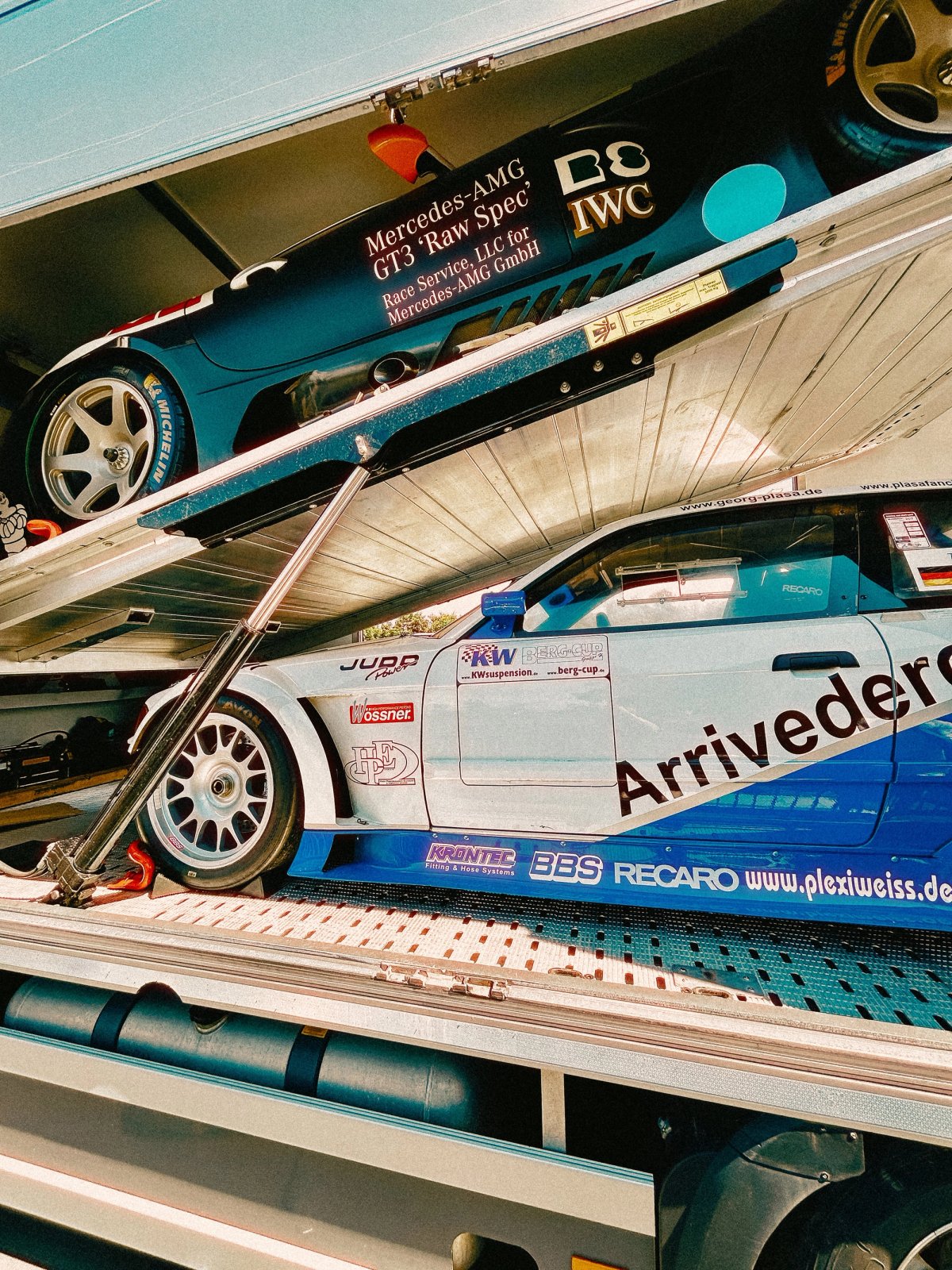
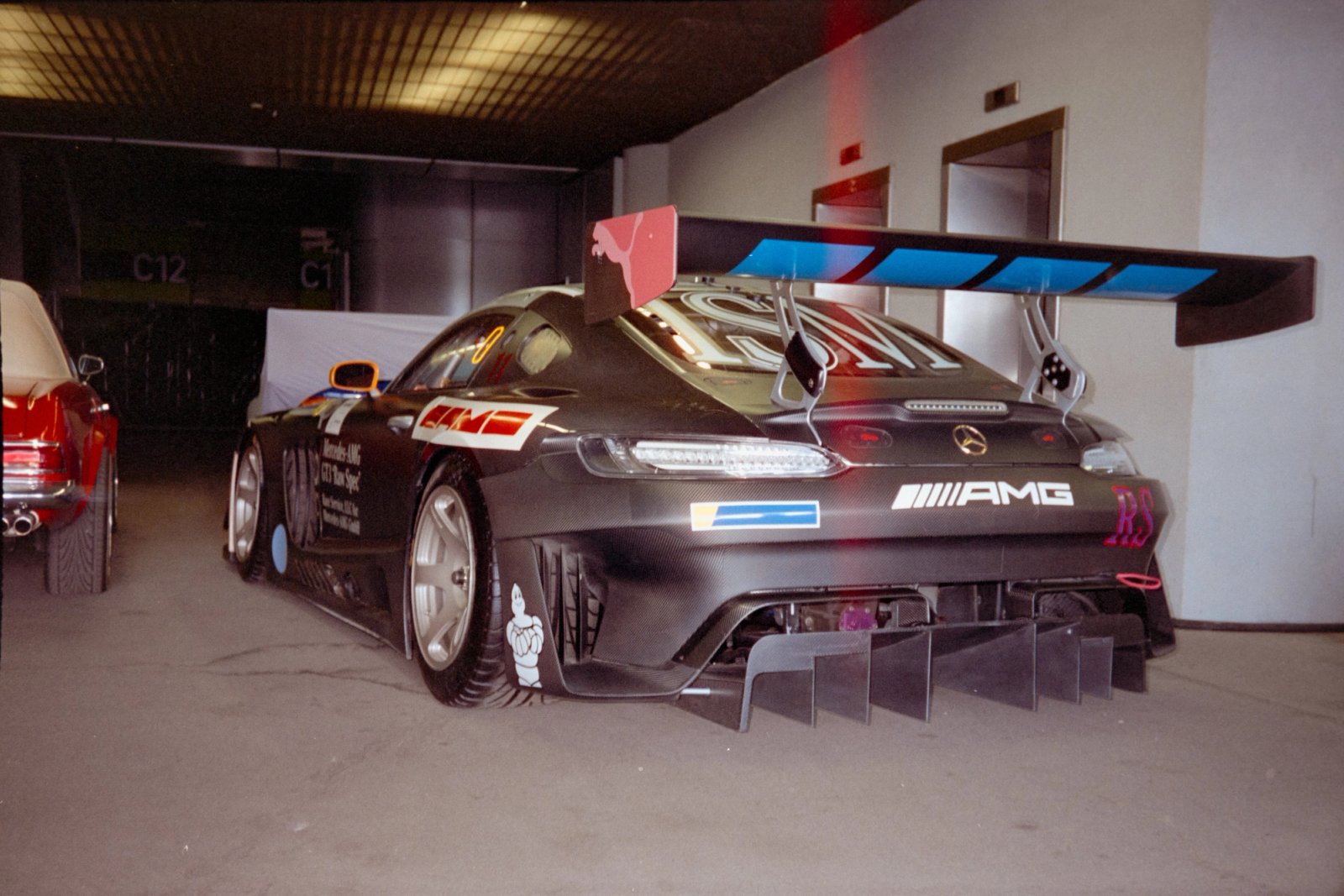
Transporting rare cars is an operation that requires months of planning. The Ultrace logistics map looked like a strategy board: five cars crossing the ocean in shipping containers from Japan, convoys of specialist transporters from the United Kingdom, shipments from Italy, and specially from California, a Mercedes AMG in Raw Spec configuration.
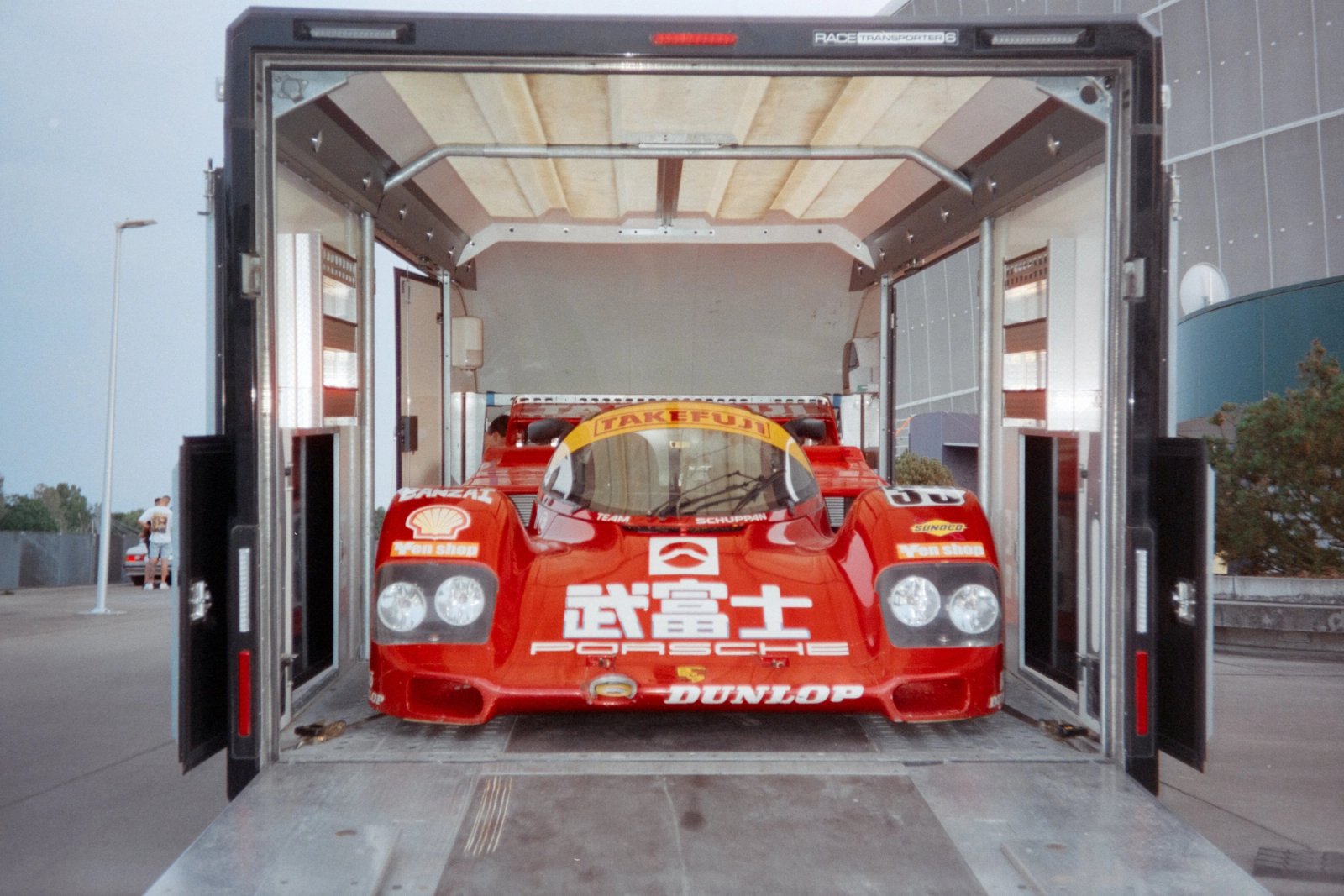
Sometimes unforeseen complications arise, like the McLaren 650-KS belonging to Sultan Al Qassimi. The reason? The escalation of the Israeli-Iranian conflict paralysed part of the cargo routes across the Middle East. Alternative routes, additional documentation, switching carriers. That's the daily bread of this business. Fortunately, everything arrived on time.
Each transport is a story in itself. Chrome Cars, the HFMSTRS collections, all moved by drivers who have transporting priceless cars in their blood. During a conversation with one of them, I learned he was retired. Before that? He used to haul cars for the Mercedes F1 team. "Your cars are easier," he joked, "at least I don't have to worry about someone stripping them down and rebuilding them in the middle of the night before a race." Specialist transporters with pneumatic systems, adjustable loading height, cameras monitoring every centimetre of cargo space. That's standard. But even the best technology can't replace the experience of a driver who knows that sometimes it's better to take a 200-kilometre detour than risk passing under a viaduct with just 5 centimetres of clearance.
The Beginnings
- The roof of a shopping centre car park may not sound like the ideal location for an automotive event, but it had its own atmosphere. A concrete space with a view of the city, where enthusiasts gathered, without big budgets, international guests, or container-built stands. Pure passion. The breakthrough came with Euro 2012. The newly built stadium in Wrocław (now Tarczyński Arena) opened up entirely new possibilities. The stadium esplanade offered a space organisers could only dream of. That was the moment Ultrace began to grow in strength.
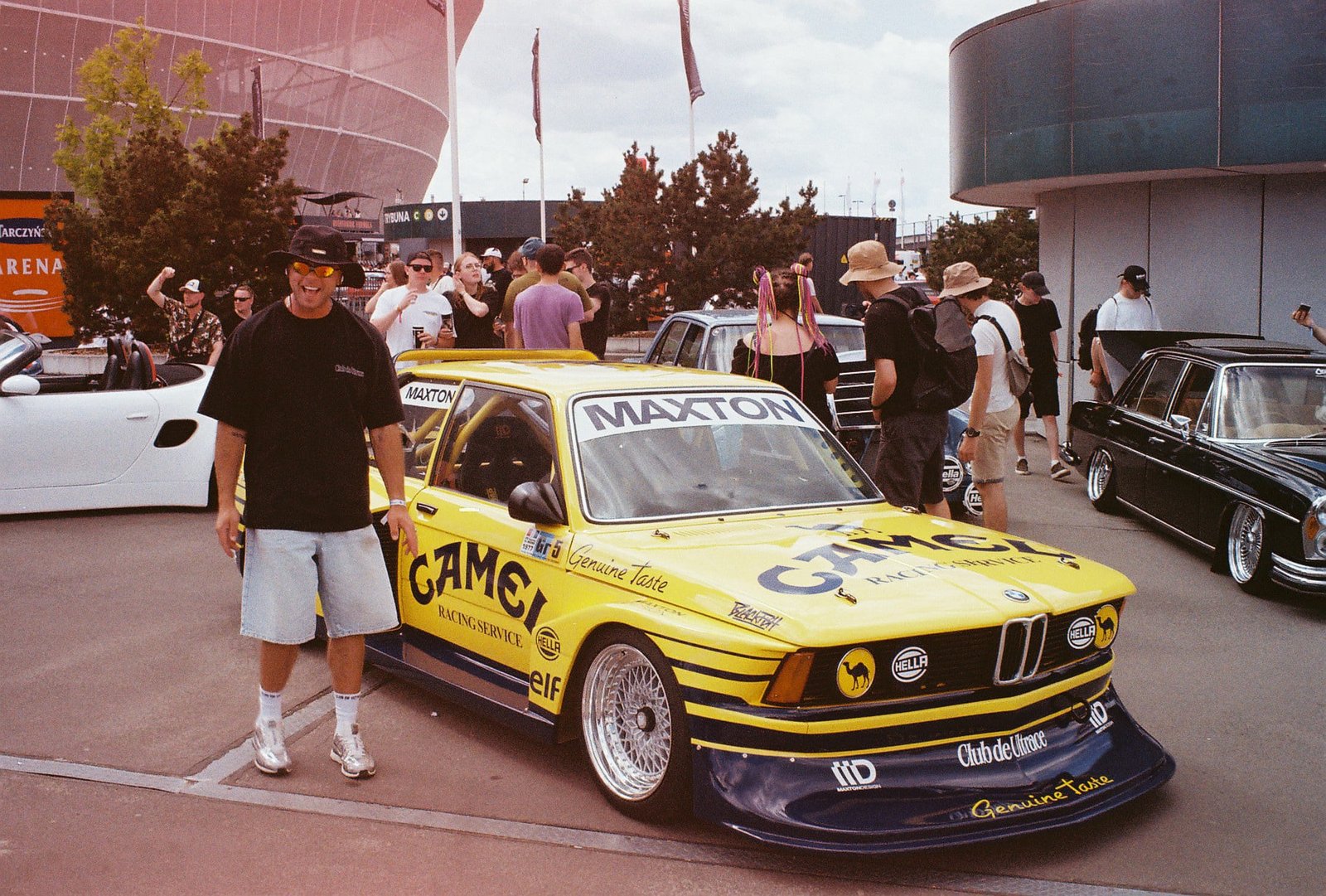
2015: The year that changed everything. If you're looking for the defining moment in Ultrace's history, it was the edition in Opole. That was when Mike Koziel first appeared, a filmmaker from Los Angeles, well known in the automotive world. Nobody predicted at the time that his career would explode to the point where he'd be collaborating with Rimowa, Cactus Jack (Travis Scott's label), Ford, RAM, and Miami F1. Koziel's presence was a signal: Ultrace was no longer just a Polish event. It had started attracting international attention.
Borders? What borders? With each year, the geographic reach of participants expanded like ripples on water. 2019 brought the next milestone: Kazuki (whose story you may have read in the previous issue) flew in from Japan with his Testarossa. Shipping a Ferrari halfway around the world for a meet in Poland? A decade earlier, that would have sounded like a film script.
2020 presented us with a challenge nobody had anticipated. A rebrand coincided with a global pandemic. Rather than giving up, we decided on an edition in Katowice, proving that Ultrace knows how to adapt. Paradoxically, tough times only strengthened the brand. The years that followed brought real expansion. Increasingly prominent brands began seeking partnerships, queues of applicants grew, and the event ultimately cemented its position as a must-see on the European car culture calendar.
People Make History
Ultrace is more than an esplanade full of expensive cars. It's a meeting point between generations, where a legendary racing driver can high-five a teenager dreaming of a career in motorsport.
This year's edition was a perfect example. James Kirkham, head of Race Service, personally drove in with his Mercedes AMG GT3 Raw Spec, a raw track beast with no compromises whatsoever.
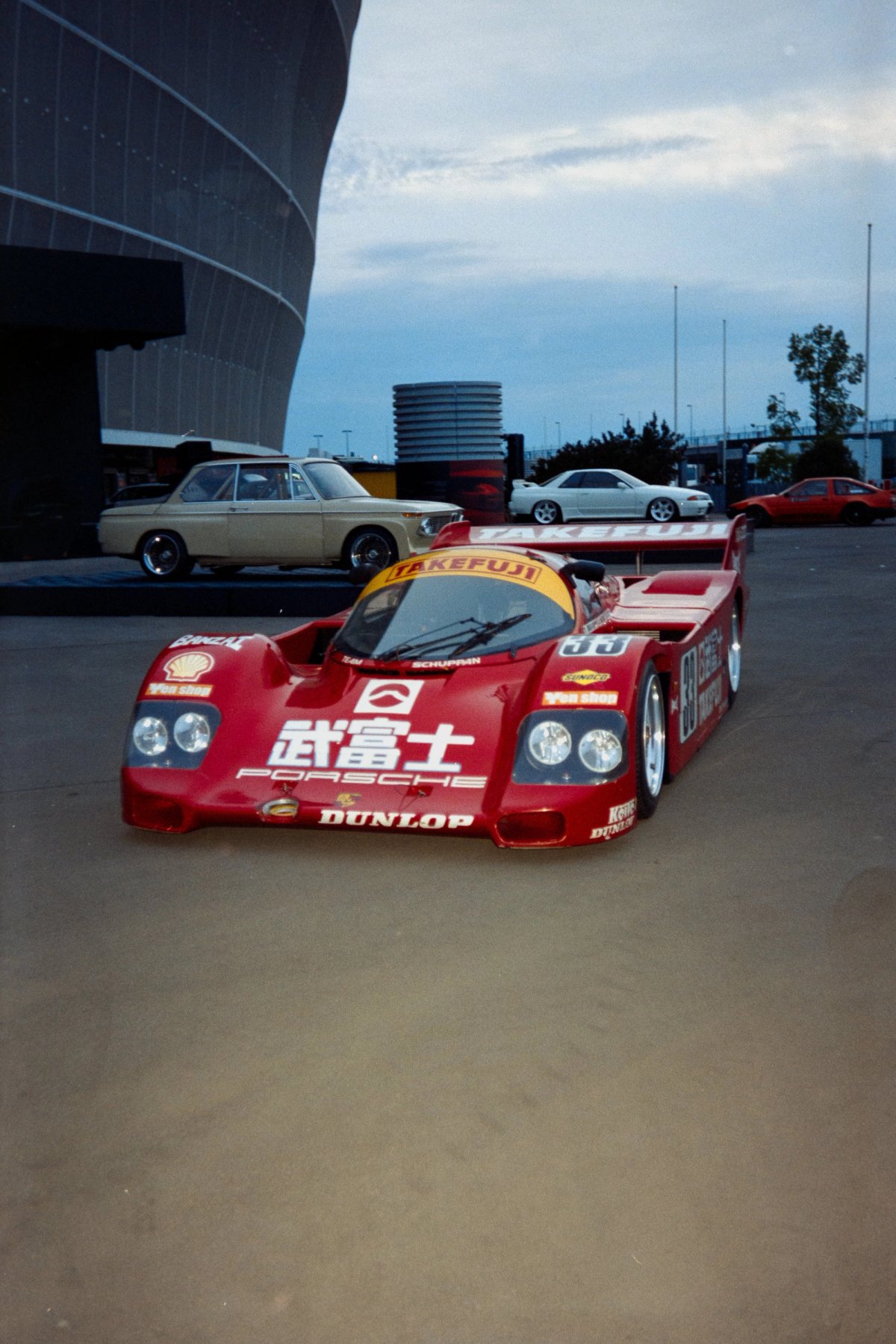
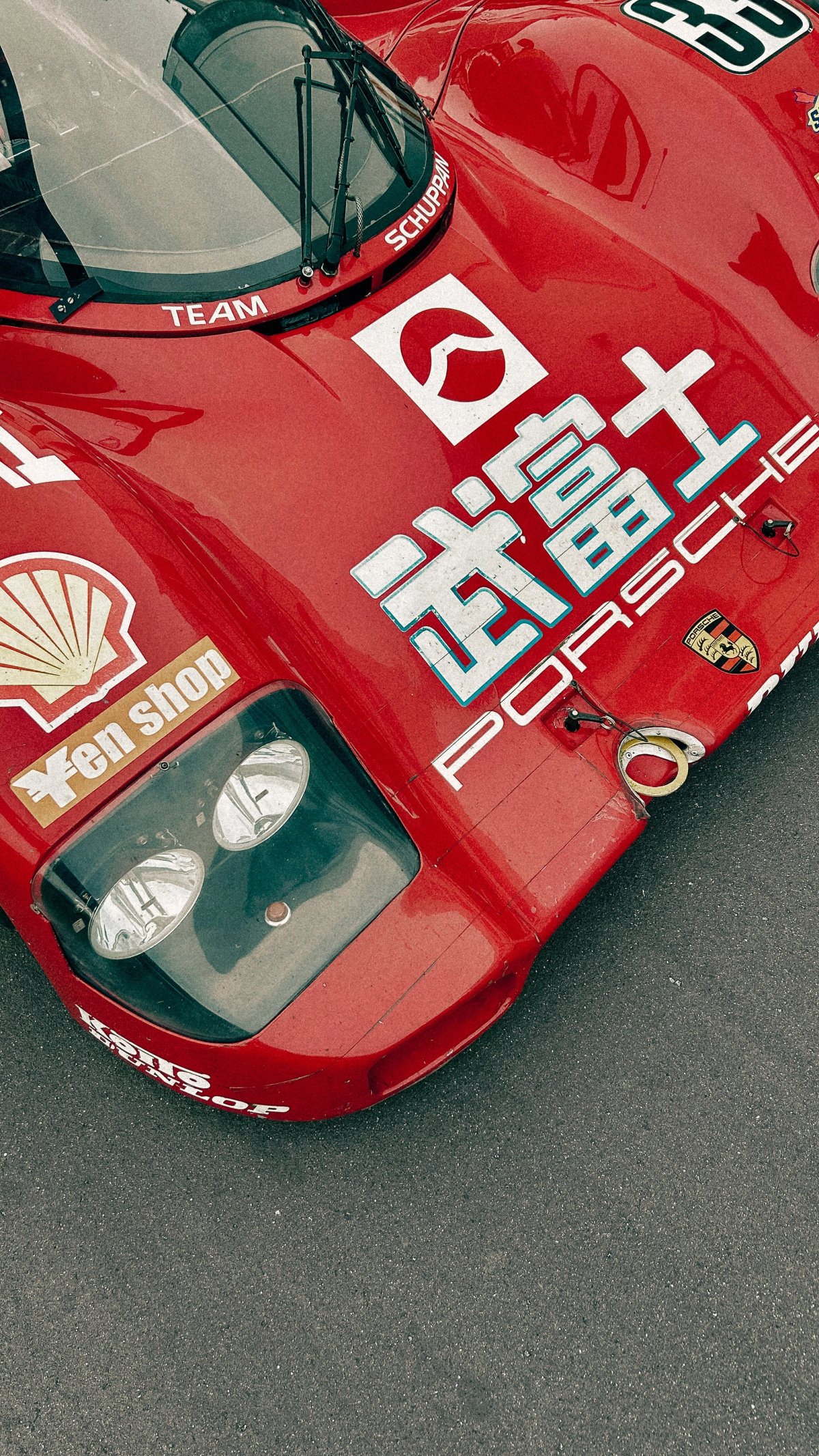
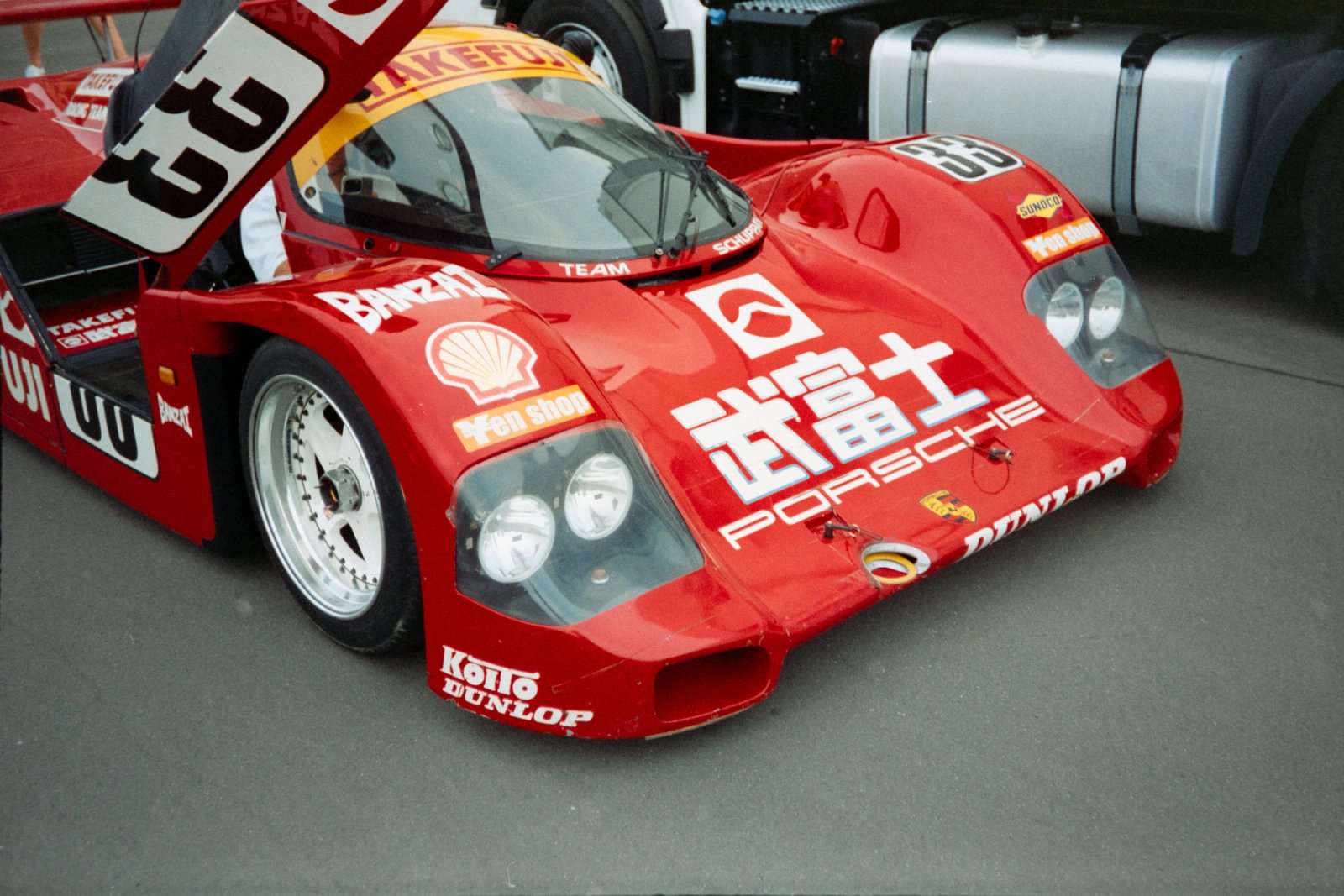
Banzai Collection brought an original racing Porsche 962C Team Schuppan, a survivor of the dramatic fire during Le Mans 1989, which after being rebuilt returned to the track and won races in Japan.
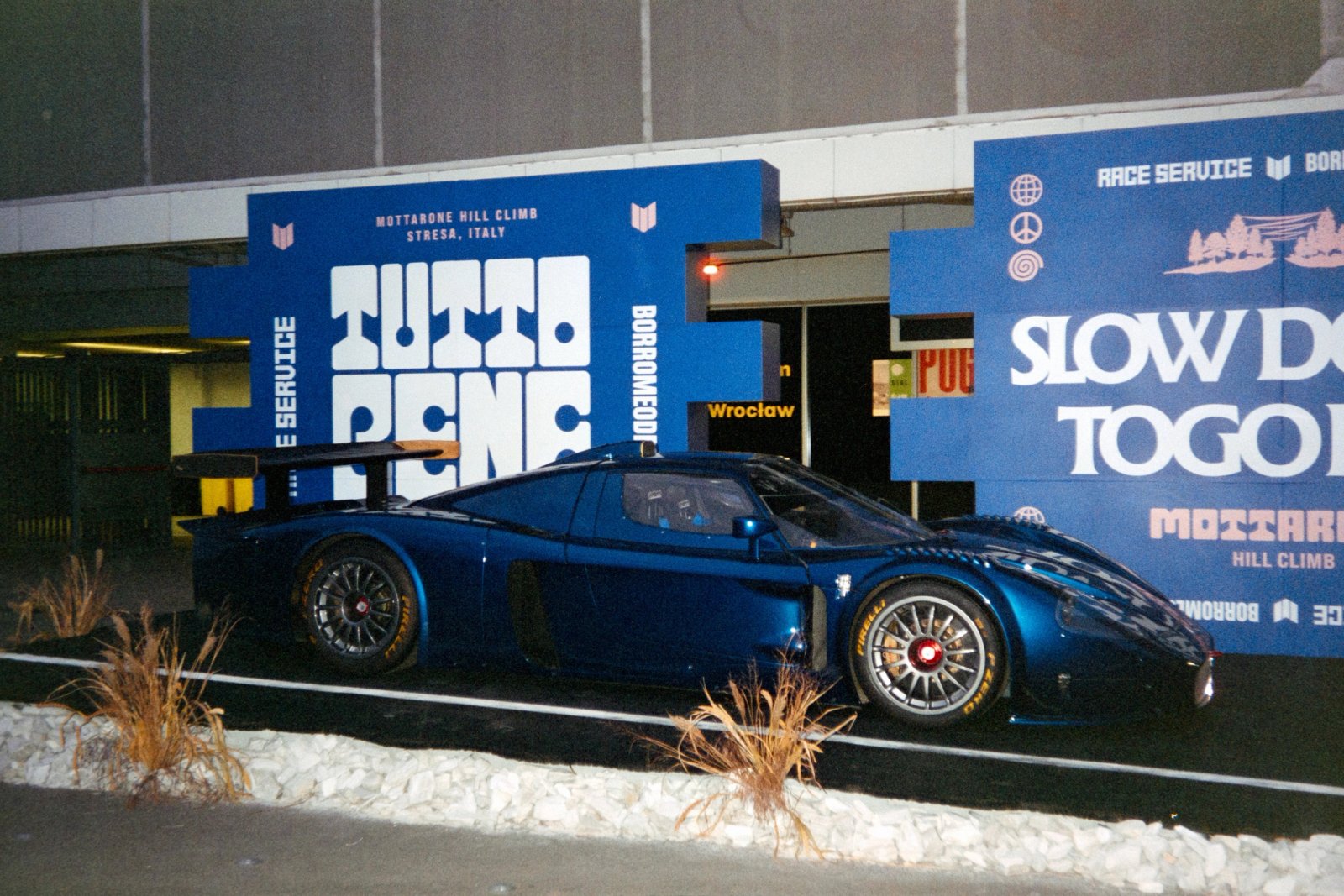
The Tutto Bene stand featured a Maserati MC12, while HFMSTRS displayed a BMW E46 M3 GTR Strassenversion, an icon for an entire generation raised on Need for Speed Most Wanted. The sight of a crowd of thirty-somethings taking photos with childlike enthusiasm? Priceless.
The International Front Line
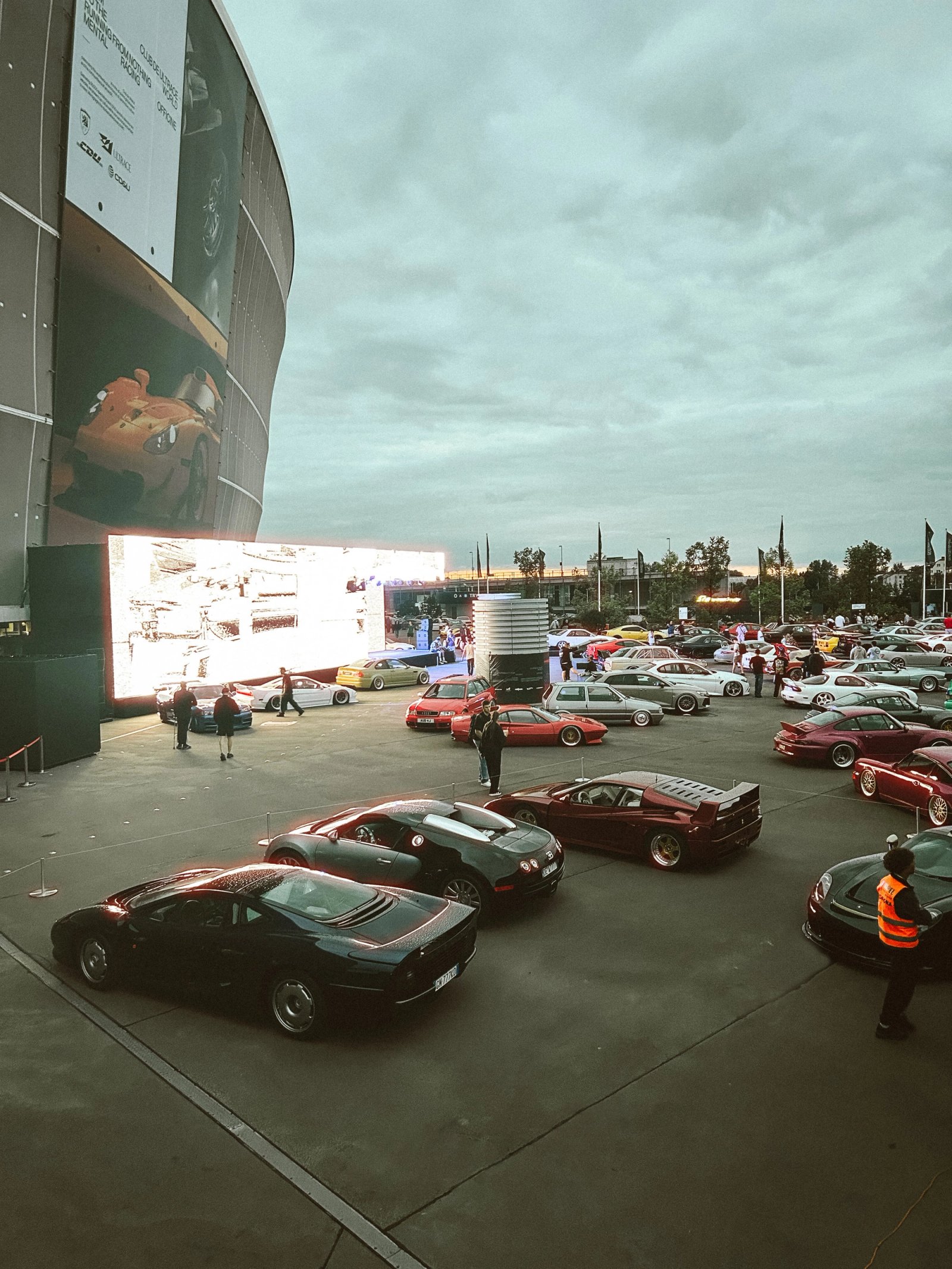
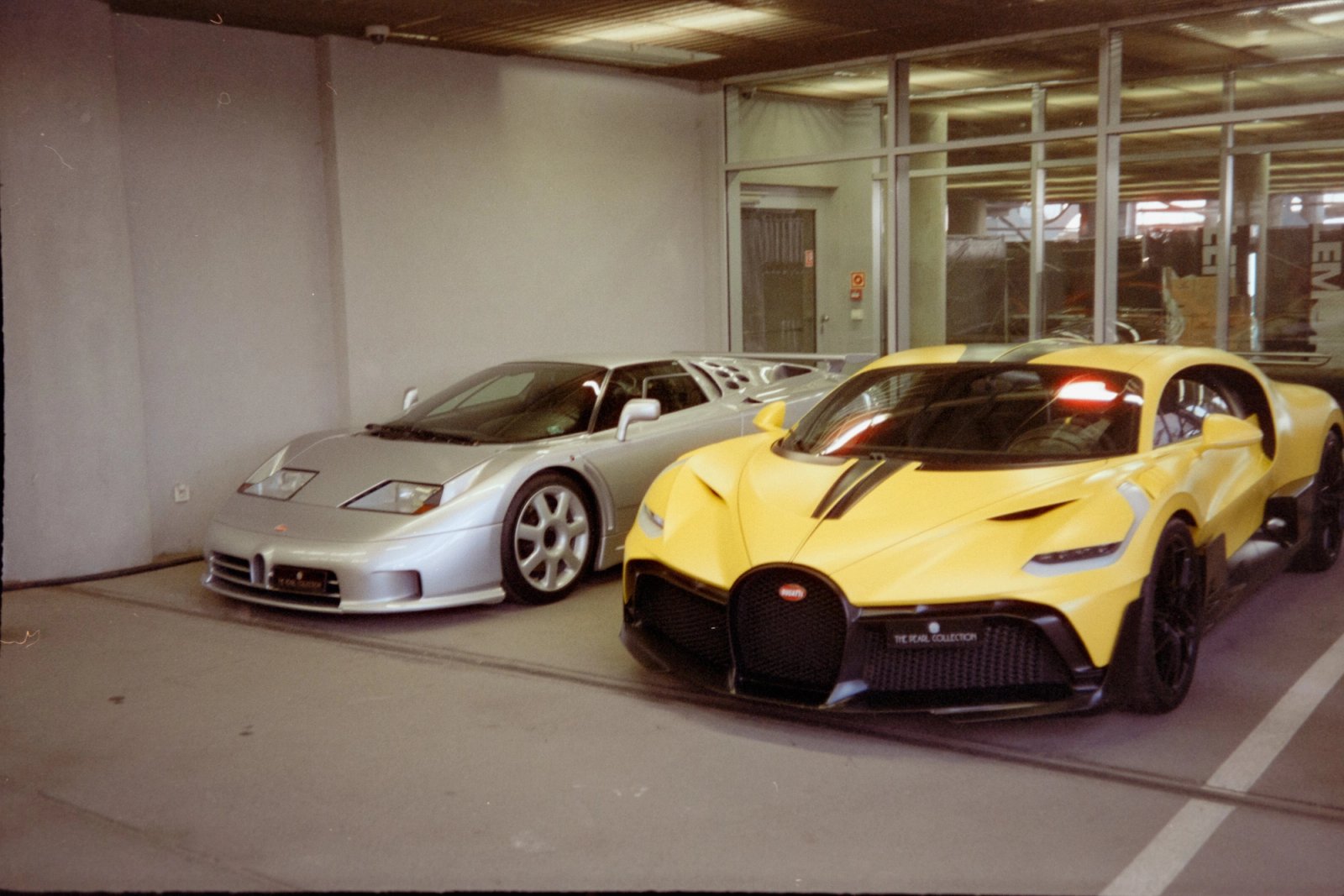
From Japan, Kazushige Sakamoto of Active Garage arrived with his immaculately prepared GT-R. The Pearl Collection brought a Bugatti EB110 Super Sport and a Divo: only 40 of the latter were ever made, and this was likely the first example ever seen in Poland.
In front of the stage stood the TWR Supercat, a project designed with the involvement of Khyzyl Saleem. Nearby, a Veyron sat alongside a Jaguar XJ220. In the crowd, you could spot Ben Collins, the former Stig from Top Gear. Rio Cam, as always, couldn't resist snapping a few shots of long-legged models posing next to the most striking cars. For drifting fans? Adam LZ, a YouTube phenomenon and Formula Drift competitor from the US, who documents his automotive journey. Next to him, Arios, who modified his Ferrari Modena for drifting. Because Ultrace shows that no car is untouchable, that a car should serve the passion.
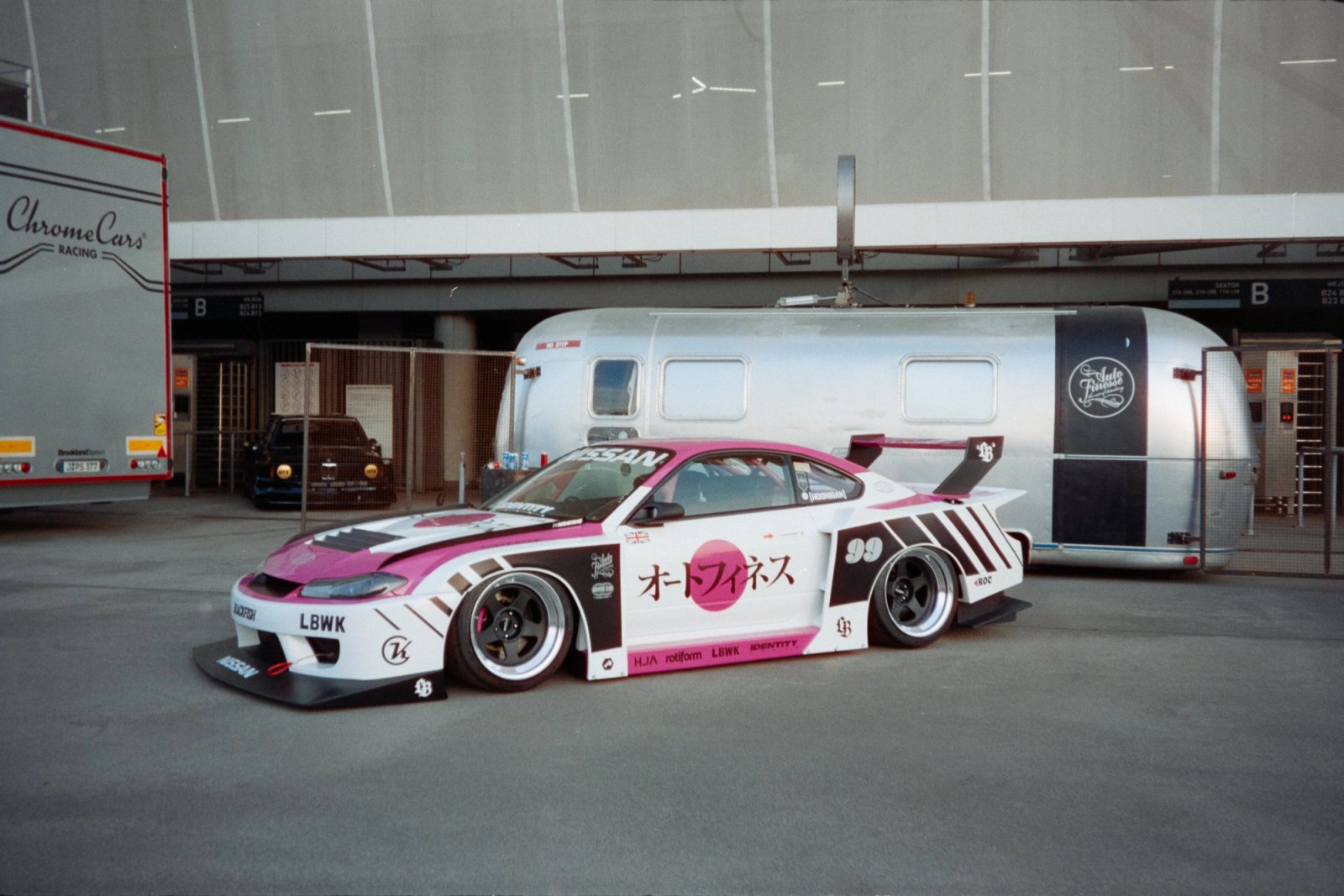
It's the Friday evening, reserved exclusively for drivers, media, and exhibitors, that reveals the true soul of Ultrace. No crowds, no rush. Small groups of people standing by cars, laughter carrying across the esplanade, unhurried conversations, and soaking in the atmosphere. That's when the most interesting things happen, like Kazuki Ohashi and Kazushige Sakamoto leaning over the open bonnet of a GT-R, gesticulating and discussing the setup. No barriers, no stiff etiquette. Just people who love cars, with the time to share that passion. Those Friday evenings are the essence of what Ultrace is about: a community that meets once a year, but talks as if they saw each other yesterday.
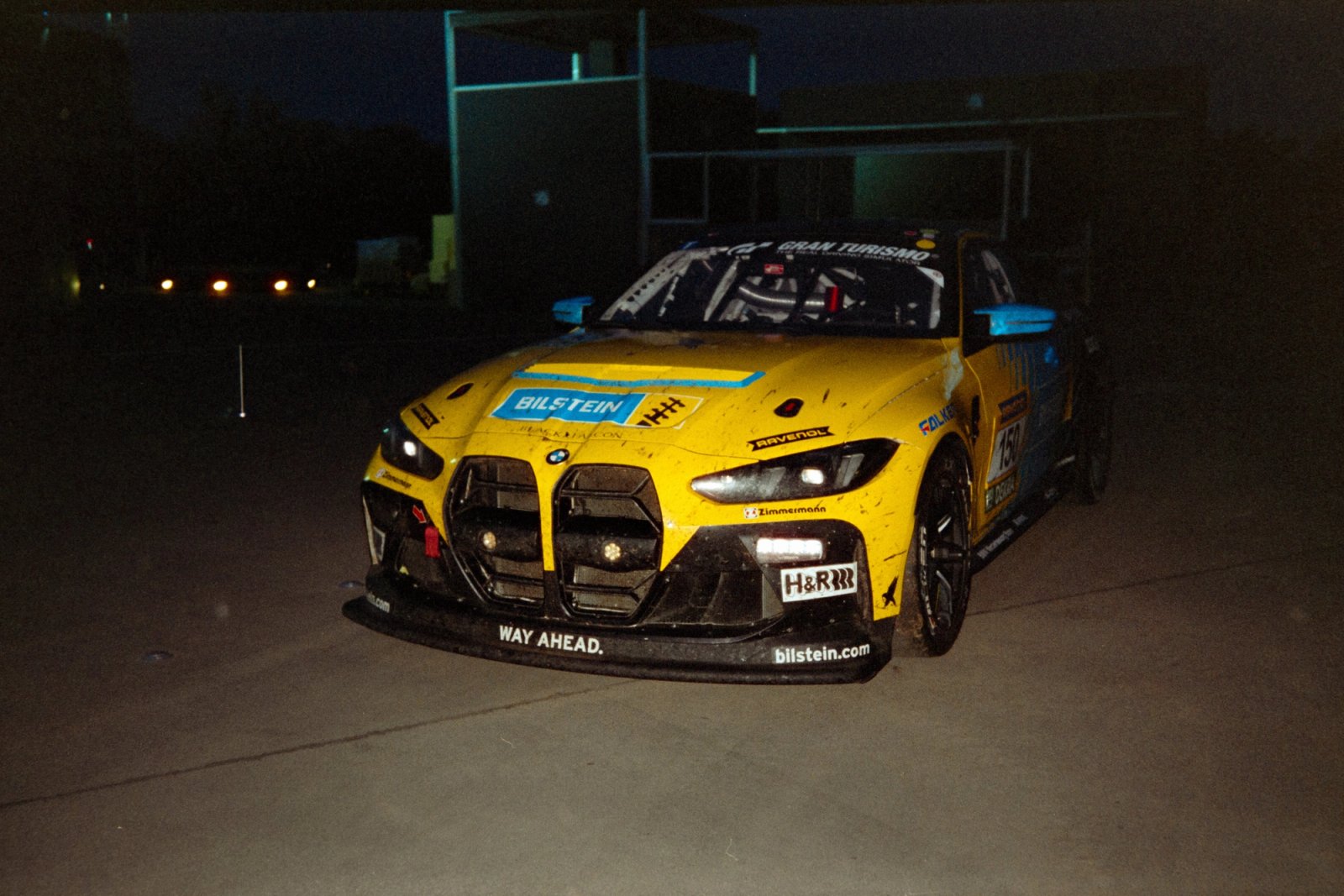
Media as a Catalyst
What fuels this phenomenon is also the international media. The Speedhunters crew, Mario and Alen, documented every detail. Photographers and filmmakers from Finland, Austria, Australia: they all come to Wrocław because they know something special is happening here.
They are the ones who spread the stories, showing the world that the Polish car scene is not on the periphery of Europe, but one of the hottest spots on the car culture map. Their coverage, films, and photo features reach millions of fans worldwide, creating a snowball effect: the more coverage, the more people eager to showcase their projects the following year.
Community Above All
Ultrace is a place where divisions disappear. Japanese collectors exchange stories with Polish builders. Speedhunters photographers document local projects, and hypercar owners ask about the details of home-made modifications. Everyone united by one thing: a pure passion for cars. It's the people who create the magic of this place. Without them, Ultrace would be nothing more than a concrete space filled with metal. It's the community that makes Wrocław the mecca of car culture every year, a home for anyone who has petrol in their veins.
Epilogue
Ultrace 2025 is behind us, but the machine is already in motion. We're analysing feedback, jotting down ideas, planning improvements. Visions of the next edition are already taking shape: who to invite, which brands could enrich the event, how to make even better use of the esplanade space.
Observing this year's edition and trends in global car culture, one thing is clear: the scene is evolving. More and more restomods blending classic styling with modern engineering. Youngtimers from the '90s are no longer "just old cars," they're becoming sought-after classics. Group B rally cars are emerging from collectors' garages onto the streets.
Classics are no longer just exhibits. They are being used, modified with respect for the original, treated as living pieces of history.
It's precisely this diversity that drives Ultrace. We are not an event for a single subculture. We are a home for everyone who understands that a car is more than a means of transport.