A Weekend in Frames
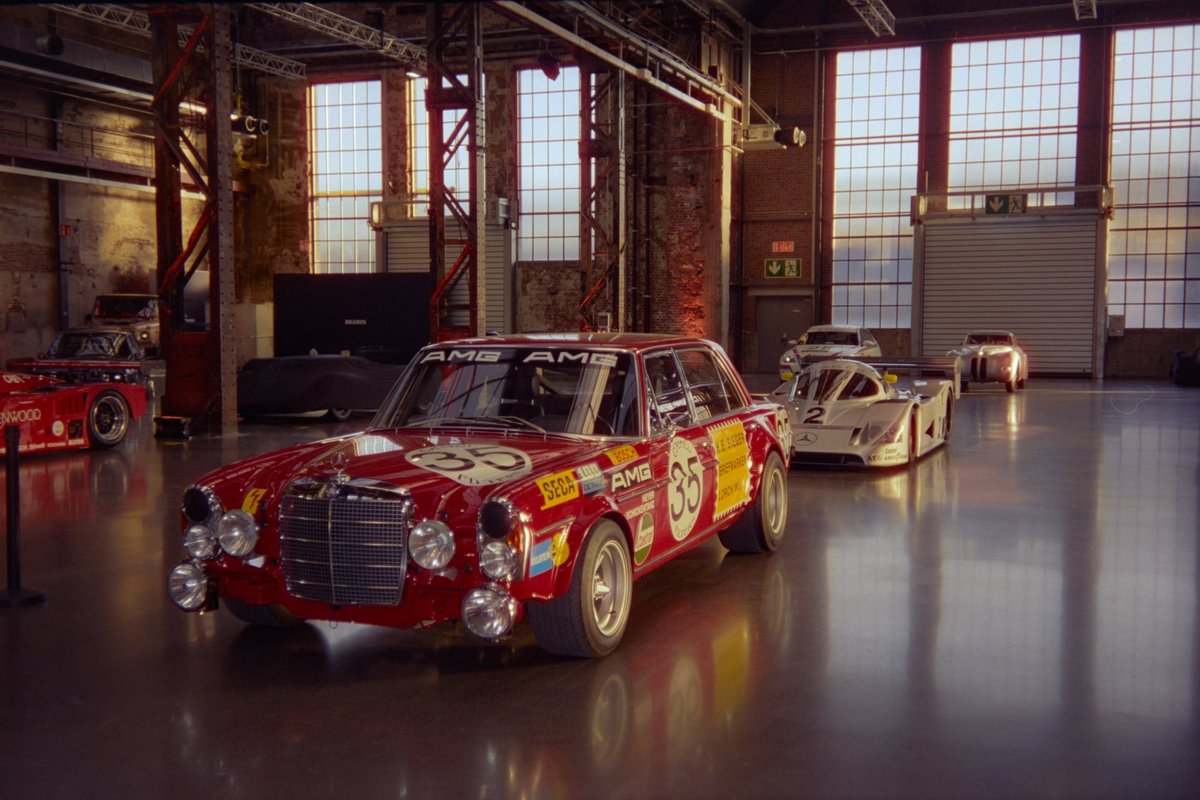
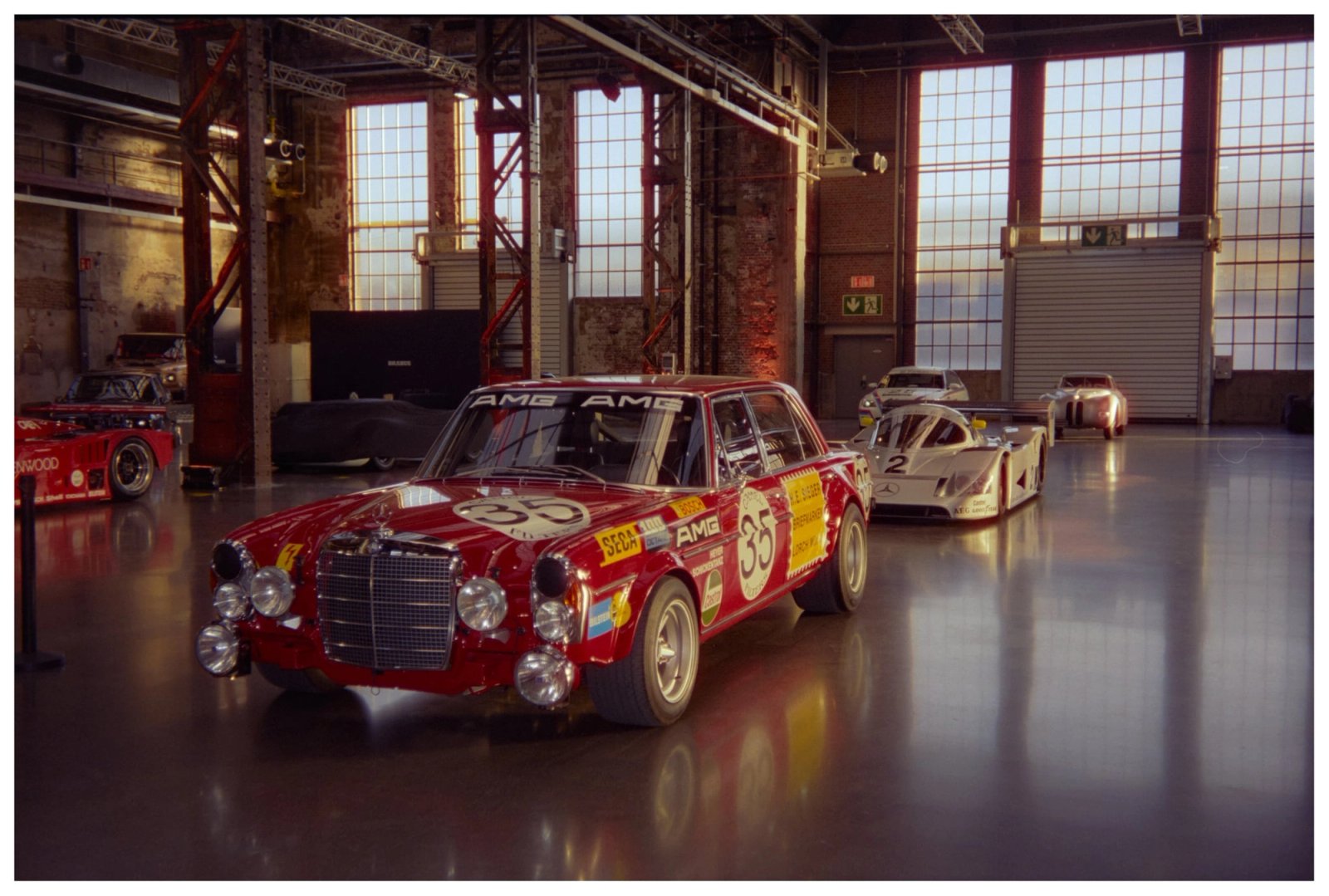
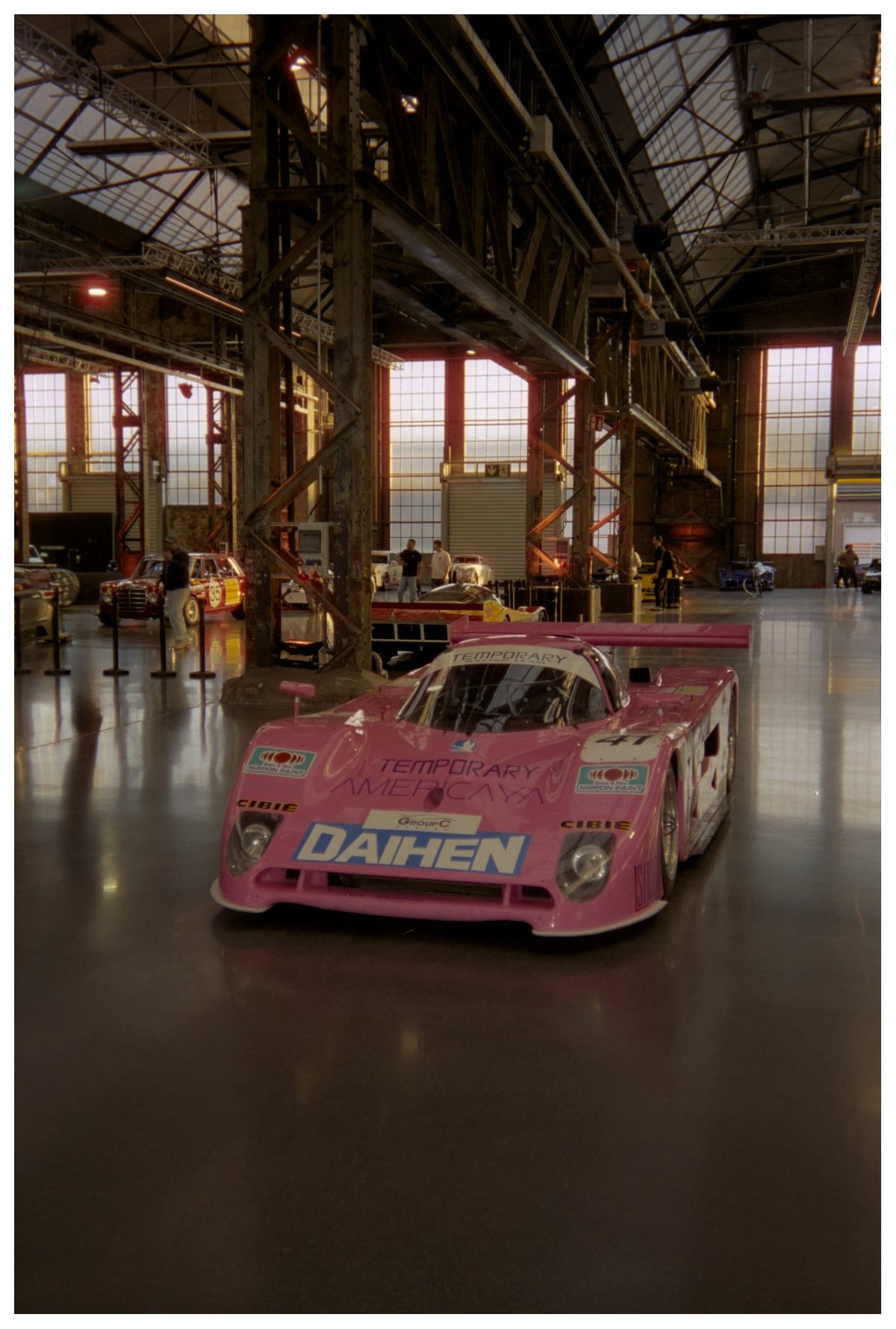
Friday, somewhere between five and six in the afternoon. Rote Sau stood in the middle of one of the halls at Areal Böhler. A 1971 AMG 300 SEL 6.8. AMG's first big achievement, back when it was still a private studio tuning Mercedes-Benzes. A massive sedan turned race car that finished second overall at Spa, even though, on paper, it had no business winning anything of consequence. Behind it, the Sauber-Mercedes C11. A Group C prototype that won eight of nine World Sportscar Championship races in 1990. Two machines, one manufacturer, two different decades, lit by the same light spilling through a gap in the roof. I stopped for a minute, maybe two. Then someone called.
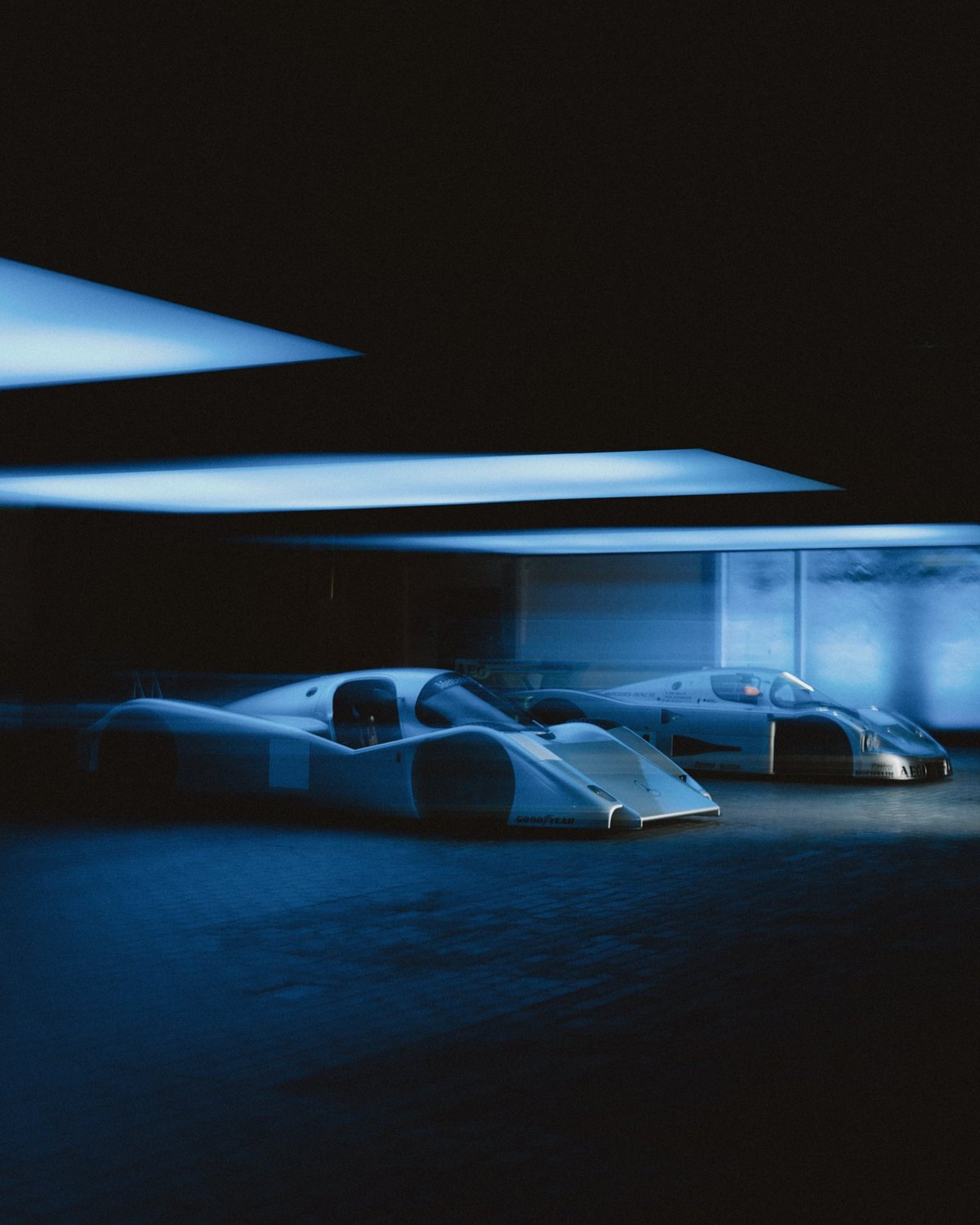
The Mercedes hall itself was the place I came back to most often, though rarely for more than two minutes at a stretch. Four cars, four softboxes hung directly above each of them. A 1989 Sauber C9, the car that won Le Mans for Mercedes after a three-decade gap. A 1991 C112, a road-going concept planned for a hundred-unit run that never made it past prototype. A C292, a Group C prototype half-forgotten by everyone outside the heritage department in Stuttgart. And the CLK GTR, FIA GT1 champion in 1997, straight off its debut. All four from the Mercedes-Benz Museum, normally a thousand kilometers apart. Here they sat five meters from each other, lit the way you usually only see in catalog shoots. Koźlarek was actually doing a special shoot for Mercedes in that hall. We'll probably get to see it soon.
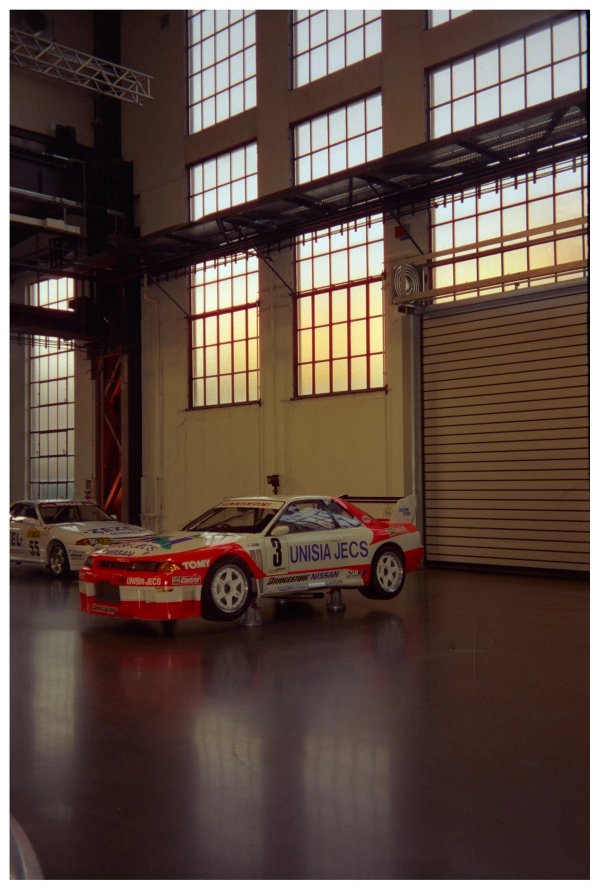
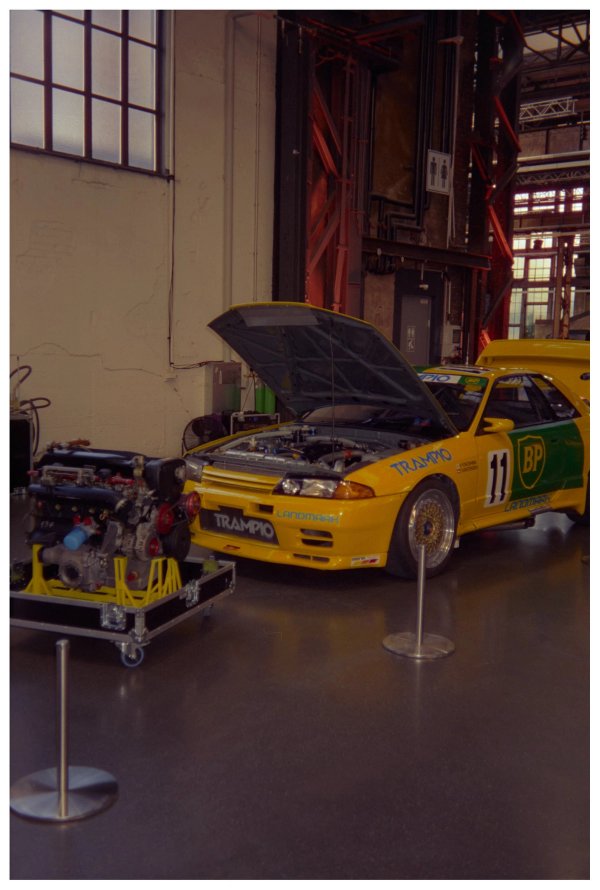
In another corner, an entirely different scene, one I wouldn't have thought to stage for myself. Three R32-generation Nissan Skyline GT-Rs stood side by side, each in a different early-'90s Japanese touring car livery. Unisia Jecs in the white-blue-red Hasemi Motorsport colors, two-time JTCC champion. Next to it, Trampio, the Object T team's R32 with BP Oil as the main sponsor. On the other side, Zexel in the white livery Nismo Nippon Mining took into the new JGTC in 1994, just as Group A was winding down. Three cars from that era, each in its historic livery, lined up in a single row. The R32 generation won twenty-nine out of twenty-nine JTCC races across four seasons between 1990 and 1993.
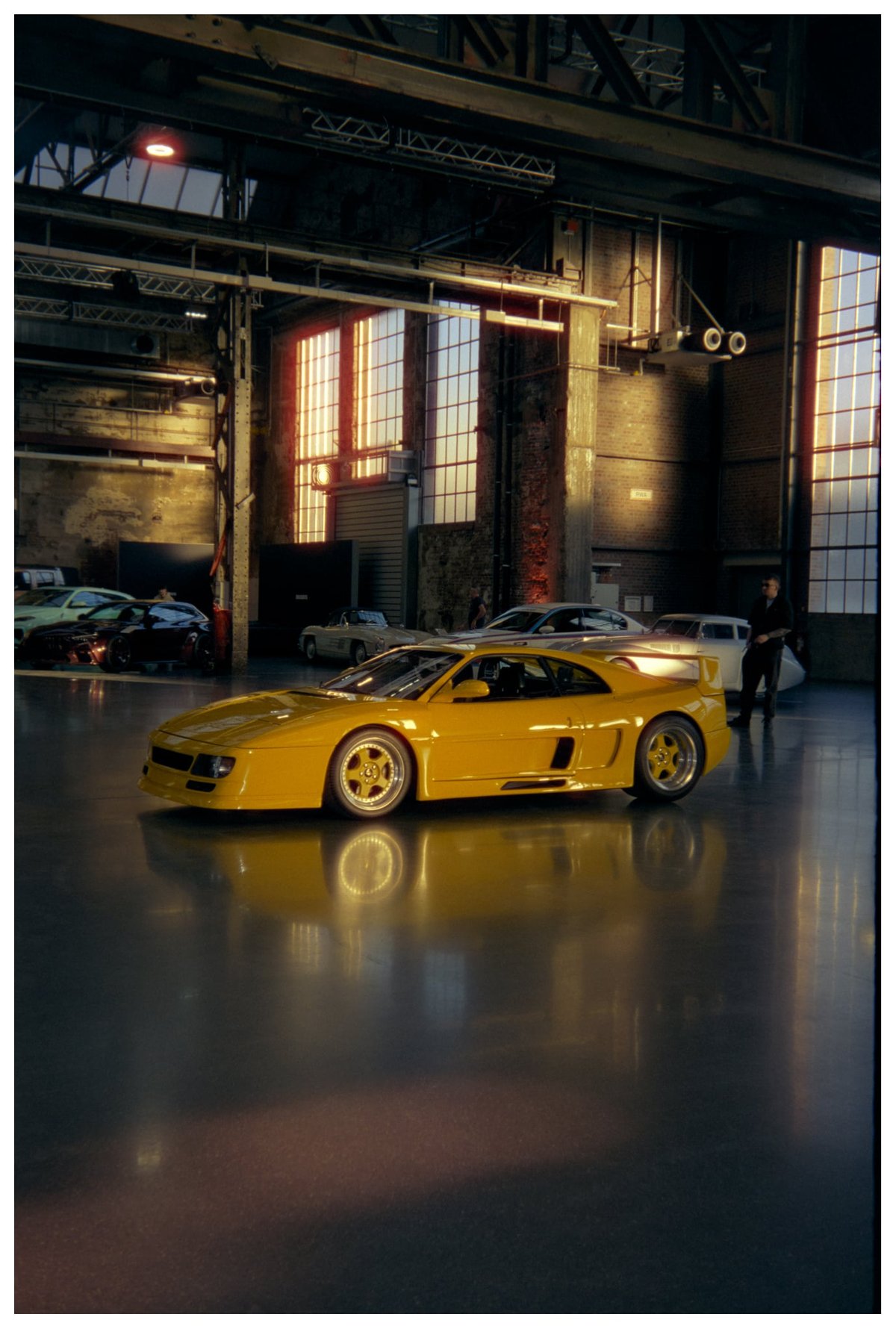
Right next to them, in a completely different aesthetic universe, sat a Ferrari 348 reworked by Koenig Specials. A German tuner out of Munich that, through the eighties and nineties, took the most expensive Italian cars and turned them into things the original manufacturer was embarrassed by. Koenig named this project the F48. The body almost entirely redone, with a rear end modeled on the Ferrari F40. Two Garrett T3 turbos bolted onto the stock 3.4-liter V8, five hundred and twenty horsepower instead of the factory three hundred and twenty. Multi-piece OZ Racing wheels. Seven were ever built. Standing next to it, I had the impression that Koenig hadn't done this to spite Ferrari. They'd done it to spite Pininfarina.
The Active Zone left me with one very specific sound. Every few hours, the techs there would fire up a series of remarkable cars. Mercedes-Sauber C11, Porsche 917, Porsche 908, Mazda RX-7 Le Mans, BMW M5 CSL Prototype, Gumpert Apollo. Every one of them left its mark, but one car pulled people in from the other halls instantly. The BMW X5 Le Mans V12. The first X5, into which BMW M dropped the P75 engine in 2000, a relative of the V12 LMR from Le Mans 1999 and the S70/2 from the McLaren F1. Seven hundred horsepower in a family SUV, sounding like a Group C prototype. I stood four meters away from it. That hall, I didn't want to leave.
In another hall, deeper in, behind a black curtain, Filip Popik's 143BPM installation was running. I walked in on Friday evening, between a meeting with a partner and another thing on my list. Inside, half-darkness and a controlled atmosphere. The HWA EVO stood under a huge, color-shifting softbox, and music flowed from the speakers at one hundred and forty-three beats per minute. I stayed longer than I could afford to. I left with the sense that the HWA EVO had been given its own room, its own light, and its own tempo.
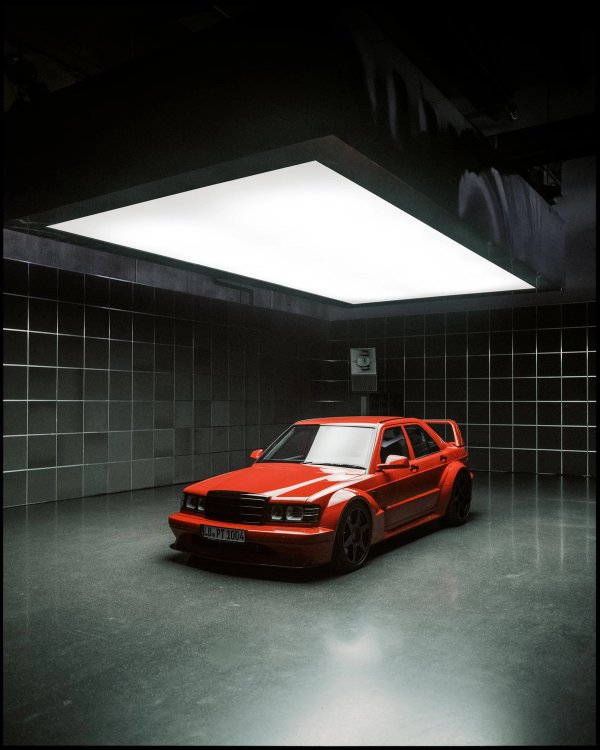
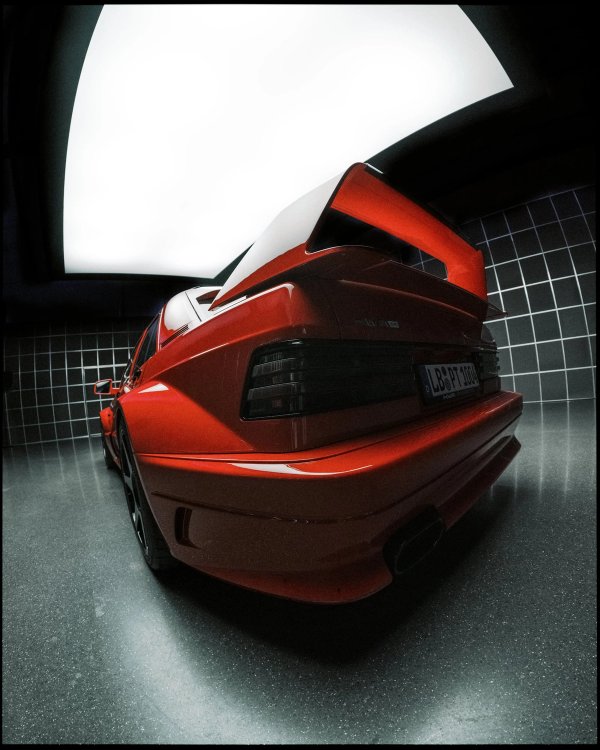
The golden hour in the halls lasted an hour, maybe an hour and a half, once a day. Light came in through gaps in the steel roof at an angle the architect in 1916 hadn't planned for the cars now sitting underneath. It fell on the bodywork unpredictably. Sometimes on a bumper, sometimes along a roofline, sometimes on a wheel. You could have the whole weekend mapped out and still miss the moment if you happened to be in the wrong hall. A bit like analog photography. Either you caught it or you didn't.
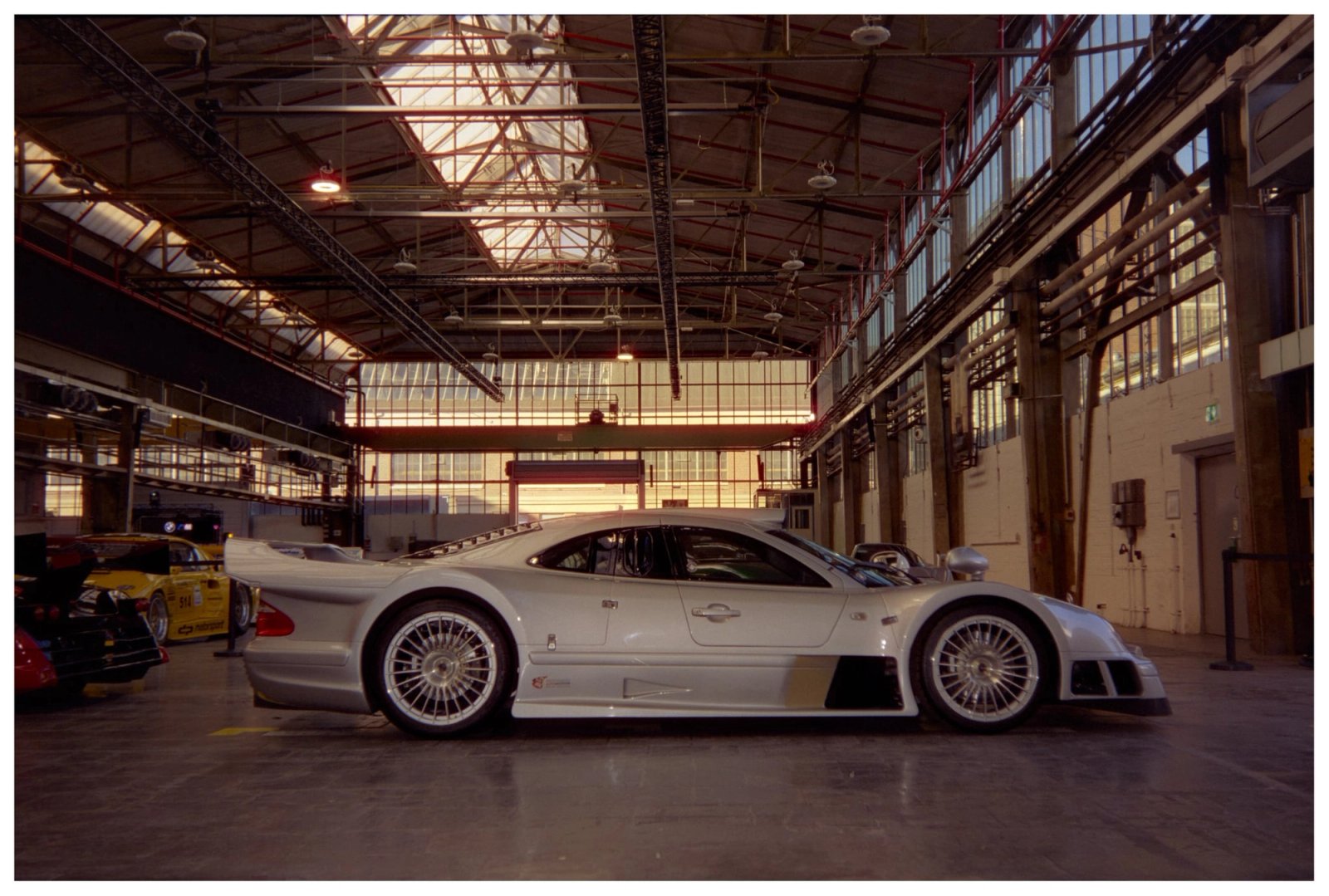
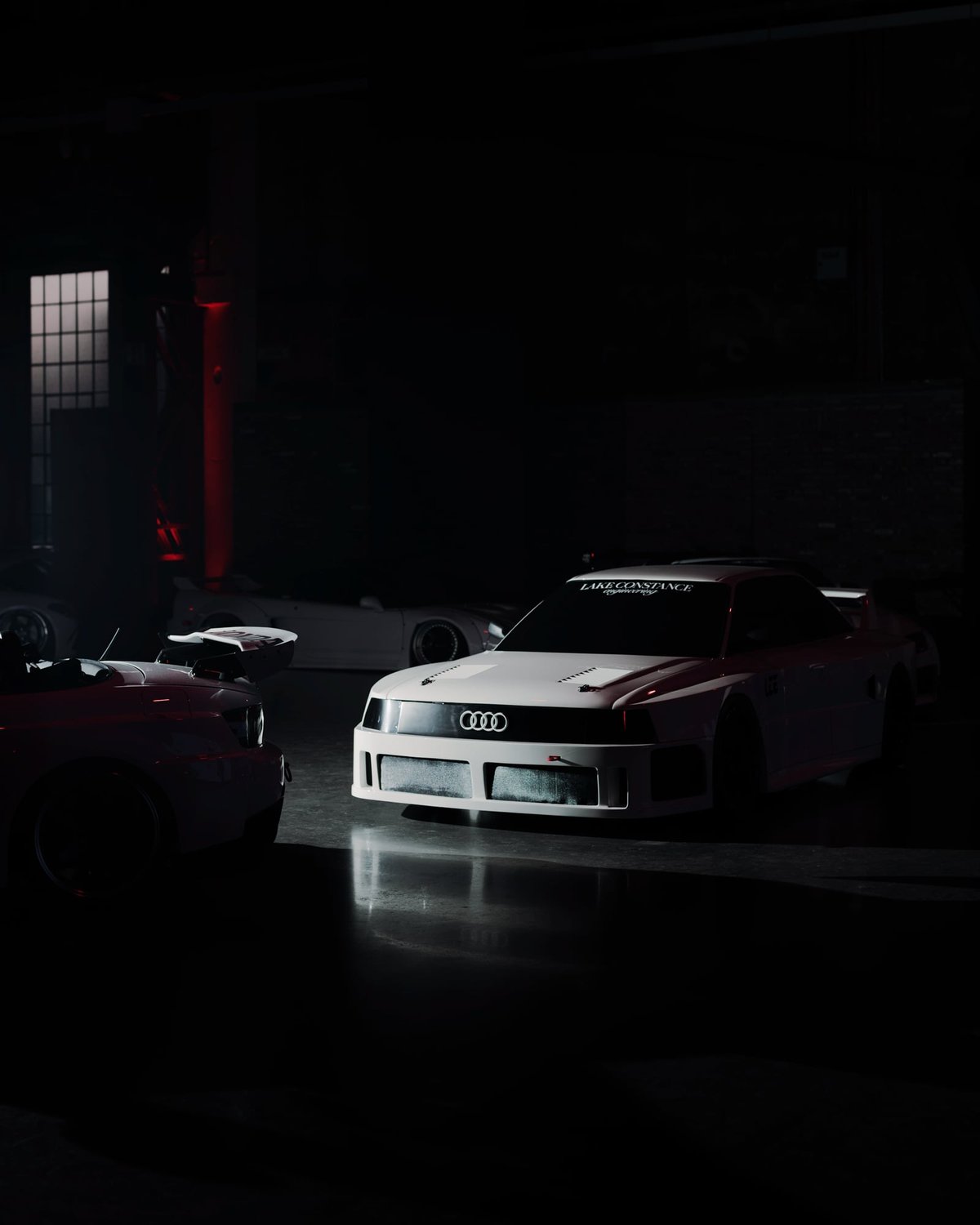
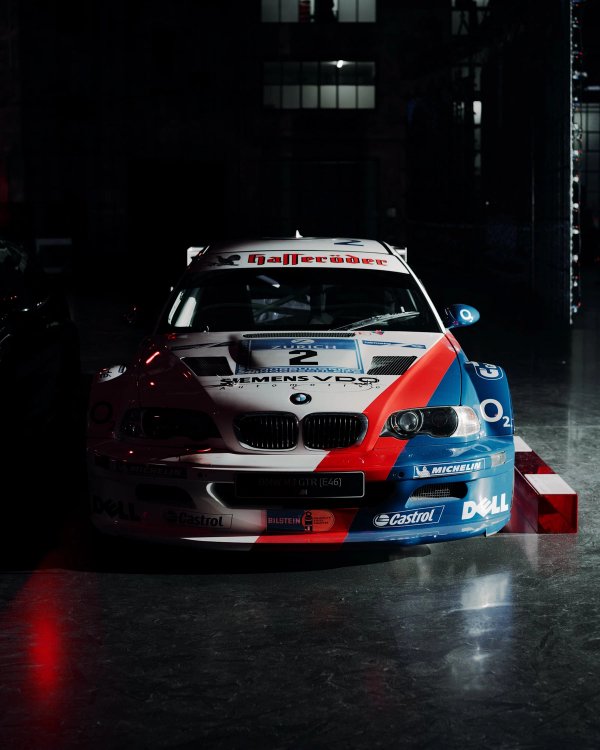
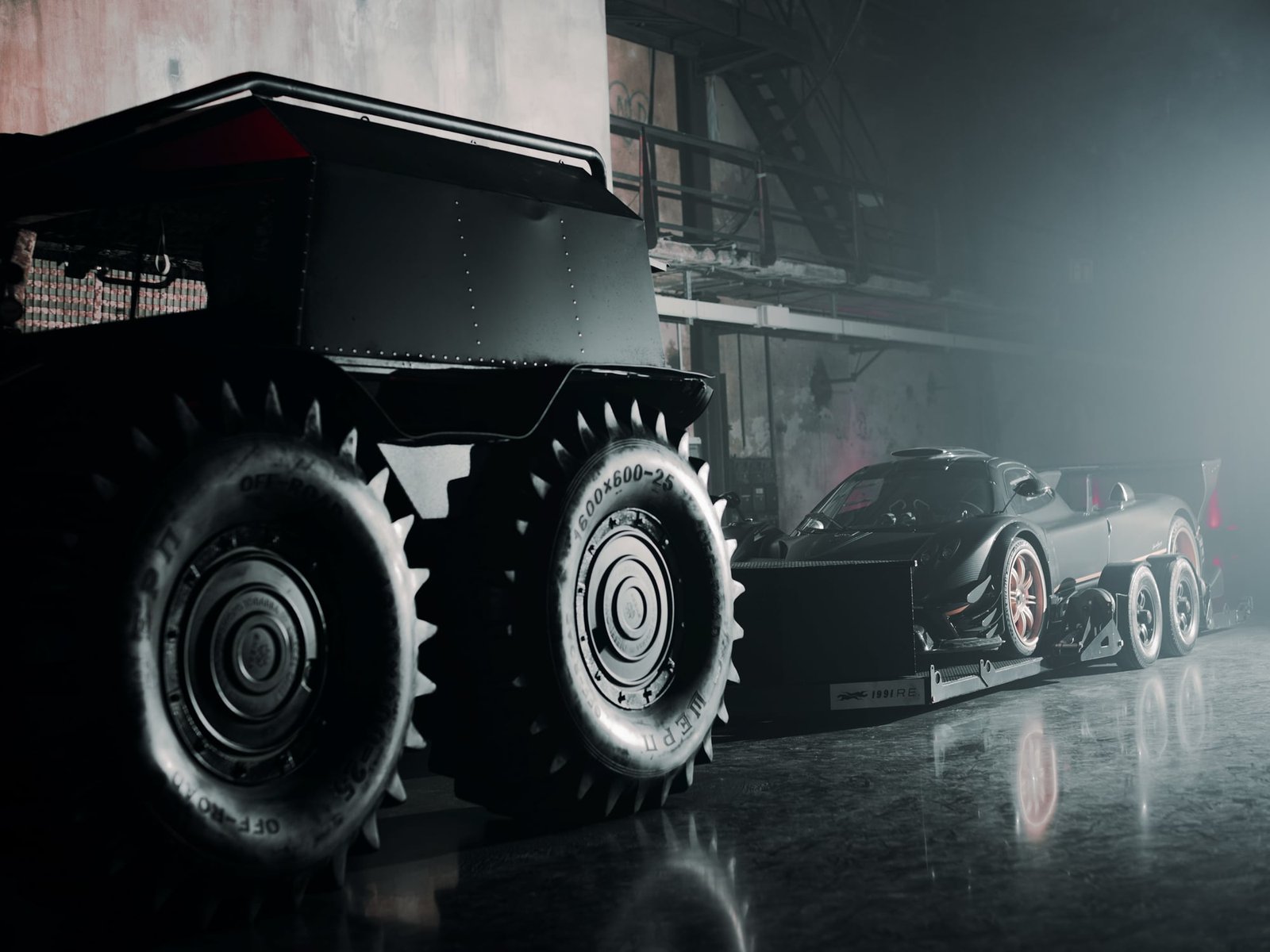
At nine in the evening, Night Access started, and the main hall began to look different. Natural light gave way to choreographed lighting installations. Red flooded the side walls, spotlights picked out individual cars and left the rest in shadow, and from the speakers came a set by Septa, hypnotic techno with ambient textures. The same cars that had stood in quiet display during the day stopped being exhibits after dark. They became set design. The Sauber C11 in red, the CLK GTR in a single beam of light, the Koenigseggs for the first time in a context that actually suited them. That part of the weekend can't be photographed in single frames.
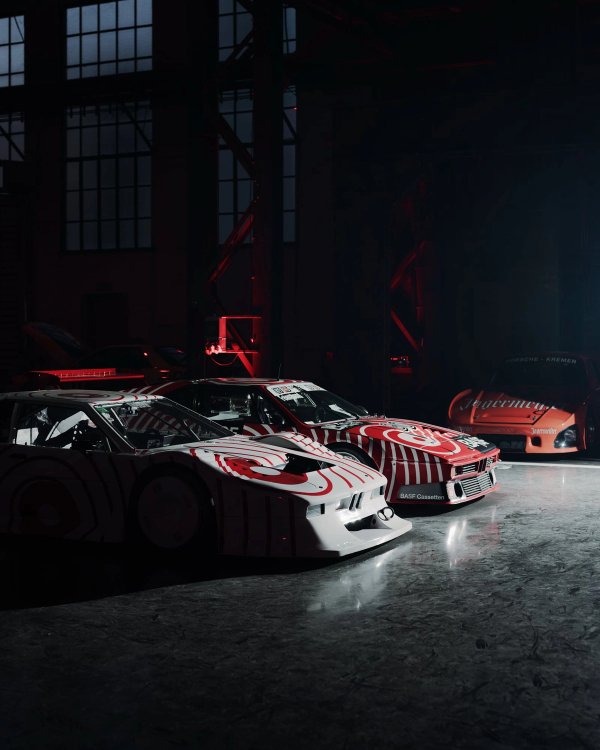
Past midnight on Sunday, the lights started to fade and the crew began breaking down the first installations. I walked through all five halls, one last time in that configuration. Most of this weekend lives in my head not as a narrative, but as a handful of single frames I actually managed to look at. The rest went by.